

This article was originally published on Crafting Your Home. A human contributor also wrote and edited the post.
The post What a Typical 1960s Wedding Looked Like Compared to Today first appeared on Crafting Your Home
Picture a June afternoon in 1964. A bride in a high-waisted gown and a pillbox hat walks out of a church into a shower of rice, and the guests follow her to the fellowship hall downstairs for cake and a bowl of pink sherbet punch.
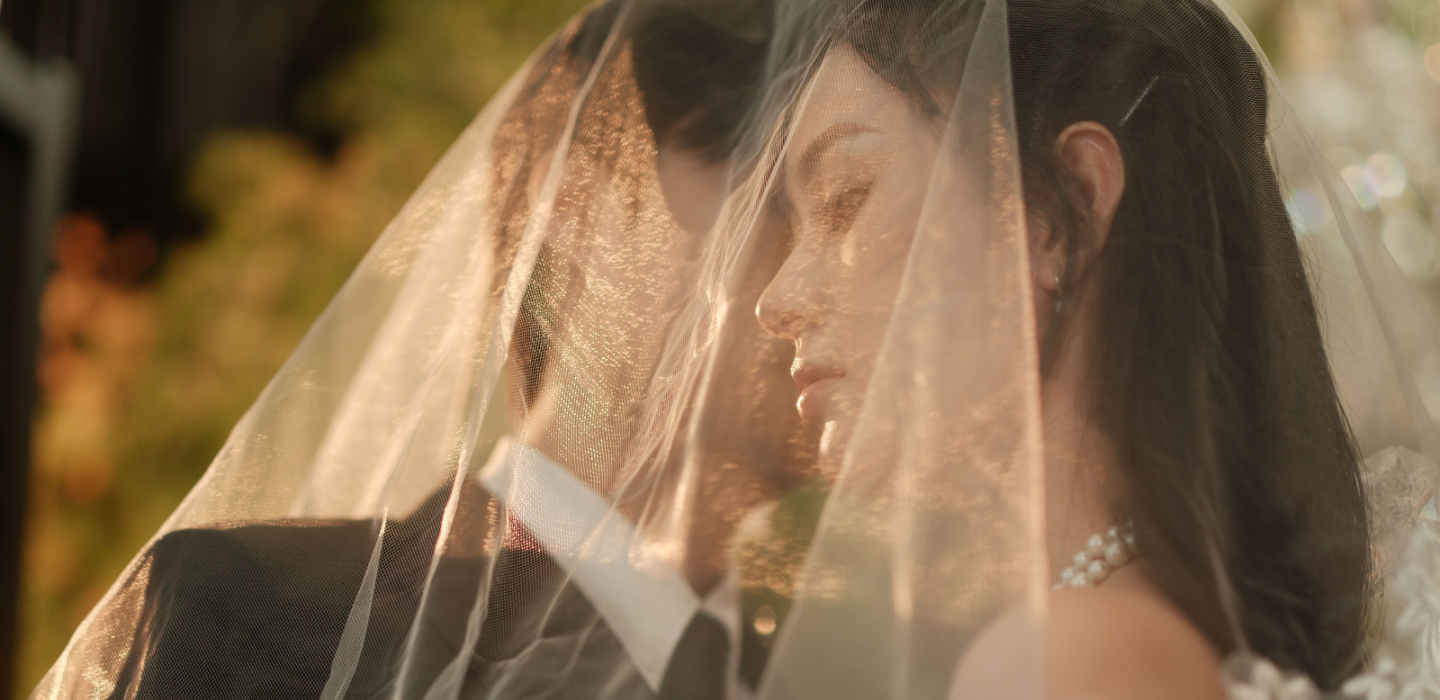
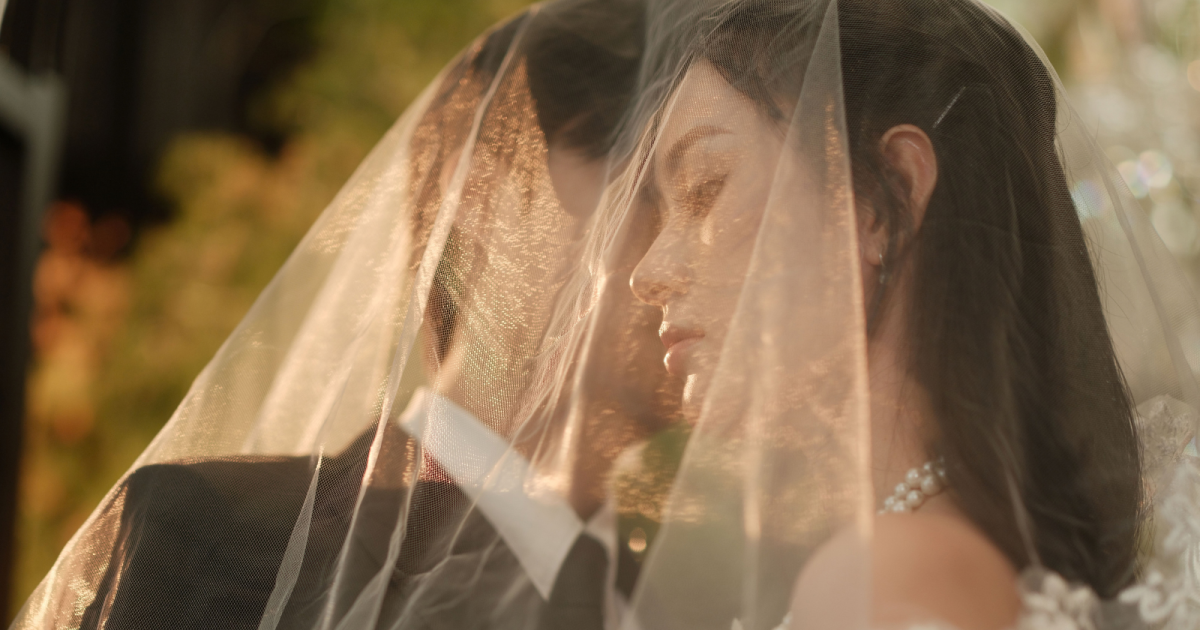
Now picture a wedding today: a ceremony in a rented barn, a photographer chasing golden hour, and a guest list someone trimmed three times to fit the budget. The two days share a purpose, but almost everything around the vows has changed.
The gap is not quite what most people expect. Some things that look modern, like smaller guest lists, are really a return to the past, while others, like who pays, have shifted in ways that reveal how much the couples themselves have changed.
Here are eight differences that show how far the wedding day has traveled in sixty years, and a few places where it has quietly circled back.
Before the Ceremony
The venue
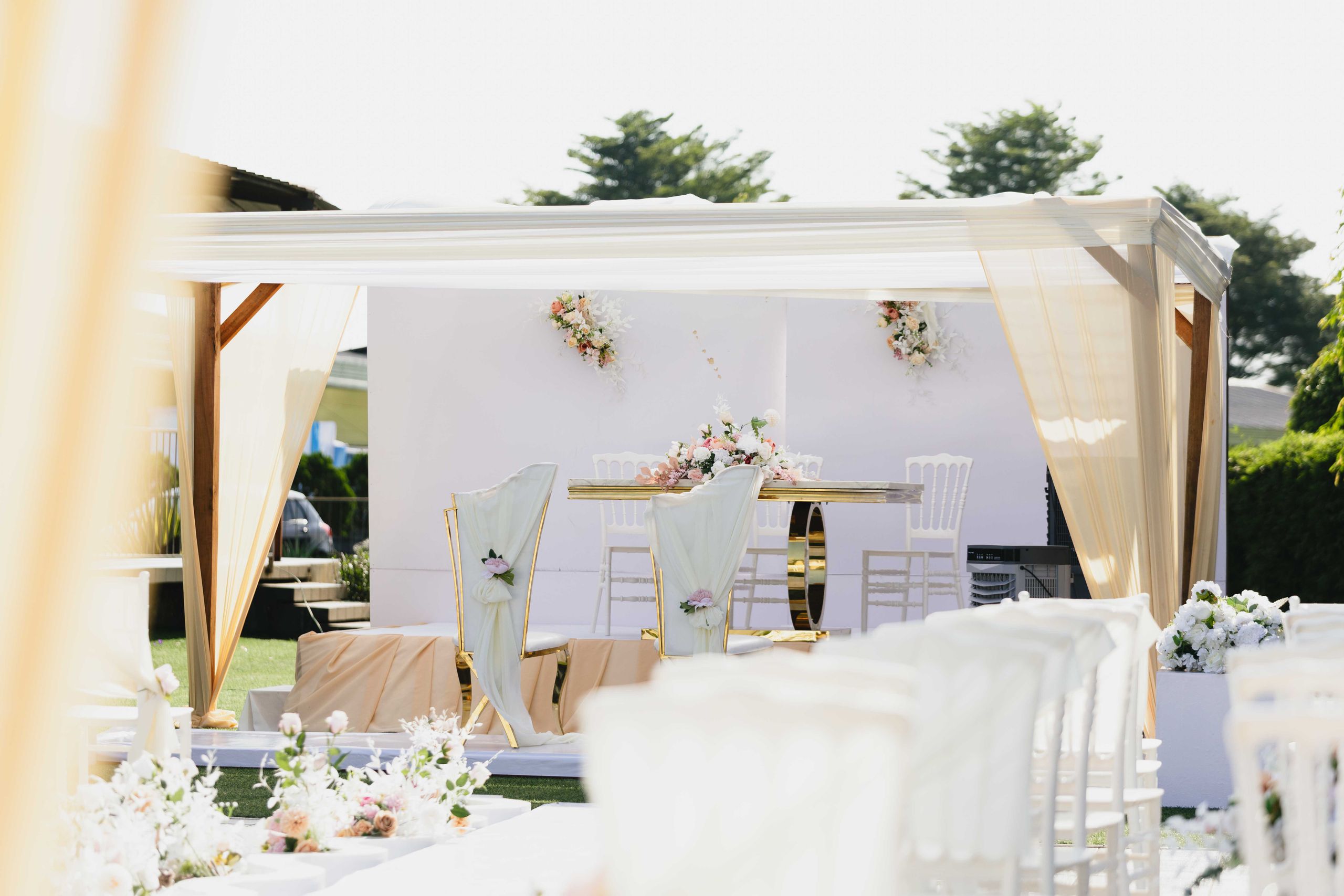
In the 1960s, the church was the default setting. According to a Stacker roundup of how weddings have changed, most weddings then were held indoors at churches, and the outdoor ones usually took place in a backyard as small, casual affairs.
Upscale outdoor venues only surged in the 1970s and have kept growing since. Afterward, many couples moved downstairs or across the parking lot, because a retrospective watch describes receptions in church fellowship halls with punch, cake, and finger sandwiches served by volunteers from the ladies’ auxiliary.
Today a couple can book a vineyard, a warehouse or a beach, and the venue often becomes the largest single line in the budget.
The age of the couple
People married far younger then. A 2025 analysis of Census Bureau data notes that in 1970 the median age at first marriage was 23 for men and 20 for women.
A 2026 statistics roundup, which cites Census figures, puts the 2025 medians at 30.8 for men and 28.4 for women. That is a delay of roughly seven years for both, and it changes everything downstream.
A twenty-year-old bride in 1965 often left her parents’ home for her husband’s, while a woman marrying at 28 usually had her own apartment, her own career, and her own opinions about the centerpieces.
The dress
Bridal fashion in the 1960s moved fast. Early in the decade, the princess silhouette with a full skirt and a veiled pillbox hat was still popular, and Inside Weddings notes that the A-line gown with an empire waist was a favorite among conservative brides.
By the middle of the decade, hemlines rose, trains shrank, and the mod look of swinging London reached the church aisle. A short-lived paper dress craze even emerged.
Vintage Dancer reports that Scott Paper Company’s paper-rayon gowns were all the rage in 1966 and 1967, and that they came in bridal white for $15 each.
Today’s brides face nearly the opposite problem: an endless menu of styles with almost no shared rule about what a wedding dress should look like.
The Party
What was on the table
The classic image of a 1960s reception is cake and punch, and it is largely accurate.
Inside Weddings reports that cake-and-punch receptions were popular then, though full sit-down dinners were gaining ground, and that today the balance has nearly reversed, with the plated dinner as the most common choice and the cake-and-cocktail reception less frequent.
Other sources describe some 1960s receptions as formal affairs with dinners and live bands, so the truth depended on the family, the region and the budget. A wedding in a Midwestern church basement and one at a big-city hotel could look like they belonged to different decades.
The guest list
Here is a surprise. In Britain, the Marriage Foundation found that the median number of guests at a first wedding was 50 in the 1960s, climbed to 80 in the 1990s, and is now back at 50 since 2017. That is British data, so it should not be read as an American average, but it shows that small weddings are not a new invention.
In the United States, The Knot’s 2019 study put the average at 131 guests, down from 141 in 2010, and a 2026 cost analysis based on The Knot’s figures found that a typical 2025 guest list is about 117 people. The lesson is that the big wedding of the 1980s and 1990s was the exception, not the rule.
Who paid and how much
Tradition once assigned the bill. A Hitchd guide explains that in more traditional households the bride’s family covered the wedding while the groom or his parents handled the honeymoon.
Today the couple often carries the load. The Knot reported that about 39% of brides’ parents contributed in 2019, down from 45% in 2010, and a UBS financial adviser told the outlet that as couples marry later, they take more ownership of both the details and the expenses.
One useful benchmark is that a 1996 average of $15,800 equals about $35,000 in today’s dollars, which is close to The Knot’s 2025 average of $34,200. In other words, the total is not wildly different, but the money goes to very different places.
After the Vows
The honeymoon

Newlyweds in the 1960s often left the reception in a going-away outfit, usually a smart suit or a dress-and-jacket set, and headed for a classic destination.
Islands reports that the American side of Niagara Falls was still among the top five honeymoon spots in the country at the end of the decade, and that the Pocono Mountains in Pennsylvania were once billed as the honeymoon capital of the world.
Encyclopedia.com adds that from the 1960s onward, more couples chose travel packages to places such as Hawaii and the Caribbean. Today the trip is a bigger production, and a Wikipedia summary of honeymoon data says the average American couple spends about $4,500.
The personal touch
A wedding in the 1960s followed a script. The cake usually came in several white tiers, often with a porcelain bride and groom on top, and photographers took posed portraits with some candid shots mixed in, according to A Styled Wedding.
The Knot’s 2019 study describes today’s emphasis on personalization, partly for social media and partly for guests, with couples reshaping the day to feel like their own.
The cake topper that families once kept for decades has been replaced by a hashtag, a signature cocktail, or a custom playlist. The old script offered comfort, and the new freedom offers choice, and each has its own kind of pressure.
Conclusion
The 1960s wedding and the modern wedding both aim to bring family and friends together to mark a promise. What changed is who is in charge.
Couples who marry later, pay for more of the day themselves, and choose from a wider range of styles have turned a ritual into a personal project.
Yet the old habits keep resurfacing, from small guest lists to backyard celebrations, and that suggests couples still want the same thing their grandparents did, which is a day that feels warm and real.
If you like what you just read, then subscribe to our newsletter and follow us on social media.


