The post 7 Things Gardeners Should Do in September Before Fall Really Sets In first appeared on Crafting Your Home.
September gives gardeners a narrow but valuable window. The soil is still warm, and the plants are still workable, but the first hard frost is closer than it feels. According to university extension experts and garden centers, a handful of specific tasks belong on this month’s list, since several of them become far harder, or simply impossible, once the ground actually freezes.
Divide Overcrowded Perennials While There’s Still Time to Establish Roots
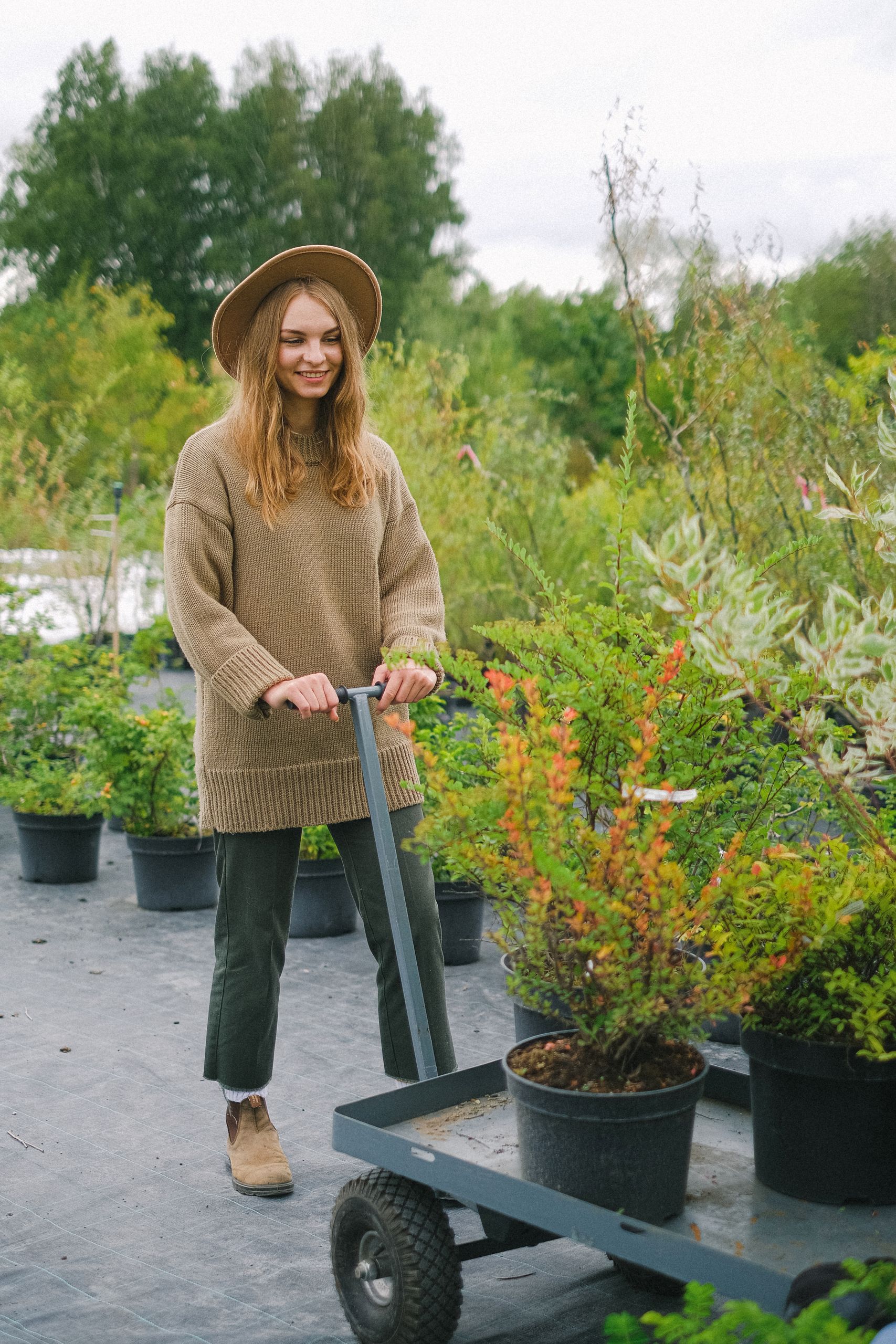
If hosts, daylilies, irises, or peonies have grown into dense, tightly packed clumps, September is widely considered the ideal window to divide them. According to the University of Minnesota Extension, early September is a good time to divide perennials like Hosta or iris, since cooler air combined with still-warm soil gives newly separated roots time to settle in before winter arrives.
Garden supply company Kellogg Garden Products echoes the same timing advice, noting that dividing perennials like daylilies, rudbeckia, and Shasta daisies in September, then planting new hardy perennials in these cooler weeks, gives roots plenty of time to establish before the ground freezes solid.
Dig Up and Store Tender Bulbs Before the First Hard Frost
Not every bulb in a garden can survive a hard freeze. According to gardening resource Empress of Dirt, tender bulbs including dahlias, caladiums, cannas, gladiolas, and elephant ears need to be dug up and stored before winter sets in, typically after the first light frost has knocked back the foliage but before a hard freeze damages the bulb itself.
Sawyer Garden Center offers similar guidance, recommending that you dig up these delicate bulbs in September and store them in a cool, dry, dark location until you can replant them the following spring. Skipping this step generally means losing those plants entirely once winter arrives.
Related: 4 Ways Your “Food Storage Routine” Is Slowly Emptying Your Wallet
Collect Seeds from Favorite Flowers Before They Scatter
September is prime seed-saving season, and according to UConn Extension, certain herbaceous perennials are ready to have their seeds harvested and dried by late in the month, including Rose of Sharon, coneflower, black-eyed Susans, false indigo, and some sunflower varieties. UConn recommends drying collected seeds in paper bags, then storing them in containers in a cool, dry location, noting that some varieties, like coneflower, need to be shaken loose from their seed heads to separate the seeds from surrounding plant material.
BBC Gardeners’ World Magazine offers similar timing advice, recommending that you collect and store ripe seeds in labeled envelopes. That way, they’re ready to sow again spring, turning this year’s blooms into next year’s flowerbed for free.
Tackle Perennial Weeds While They’re Storing Energy for Winter
Fall weed control works differently than it does in spring, and according to University of Minnesota Extension, that difference makes September an especially effective time to deal with stubborn perennial weeds. As these plants prepare for winter, they actively pull energy down into their roots and underground structures, so an herbicide applied to the leaves during this period gets pulled into the root system as well, delivering a more thorough kill than the same treatment would during the growing season.
For gardeners who prefer to skip chemical treatment, UMN Extension notes that manual pulling remains an option. However, it requires care to remove the entire root system, since any leftover root fragments can regrow next season.
Start Moving Tender Houseplants and Tropical Indoors, Gradually
Any houseplants, citrus trees, or tropical plants that spent the summer outdoors need to come back inside before temperatures drop too far. According to Kellogg Garden Products, this transition works best when it happens gradually, allowing plants to adjust to lower indoor light before outdoor conditions change too dramatically, since an abrupt move can trigger significant leaf drop.
Empress of Dirt recommends starting this process early in September specifically for tender perennials like geraniums and fig trees, giving plants enough time to acclimate before the first cold snap forces a rushed, stressful move indoors.
Clean, Sharpen, and Store Garden Tools Properly
It’s an easy task to skip, but according to Empress of Dirt, September is a smart time to clean, repair, and sharpen garden tools before putting them away for the season. Tools left dirty or dull over winter tend to rust and require considerably more effort to bring back into working conditions to come spring, while tools cleaned and sharpened now are ready to go the moment the next growing season starts.
Pull a Soil Sample While the Ground Is Still Easy to Work
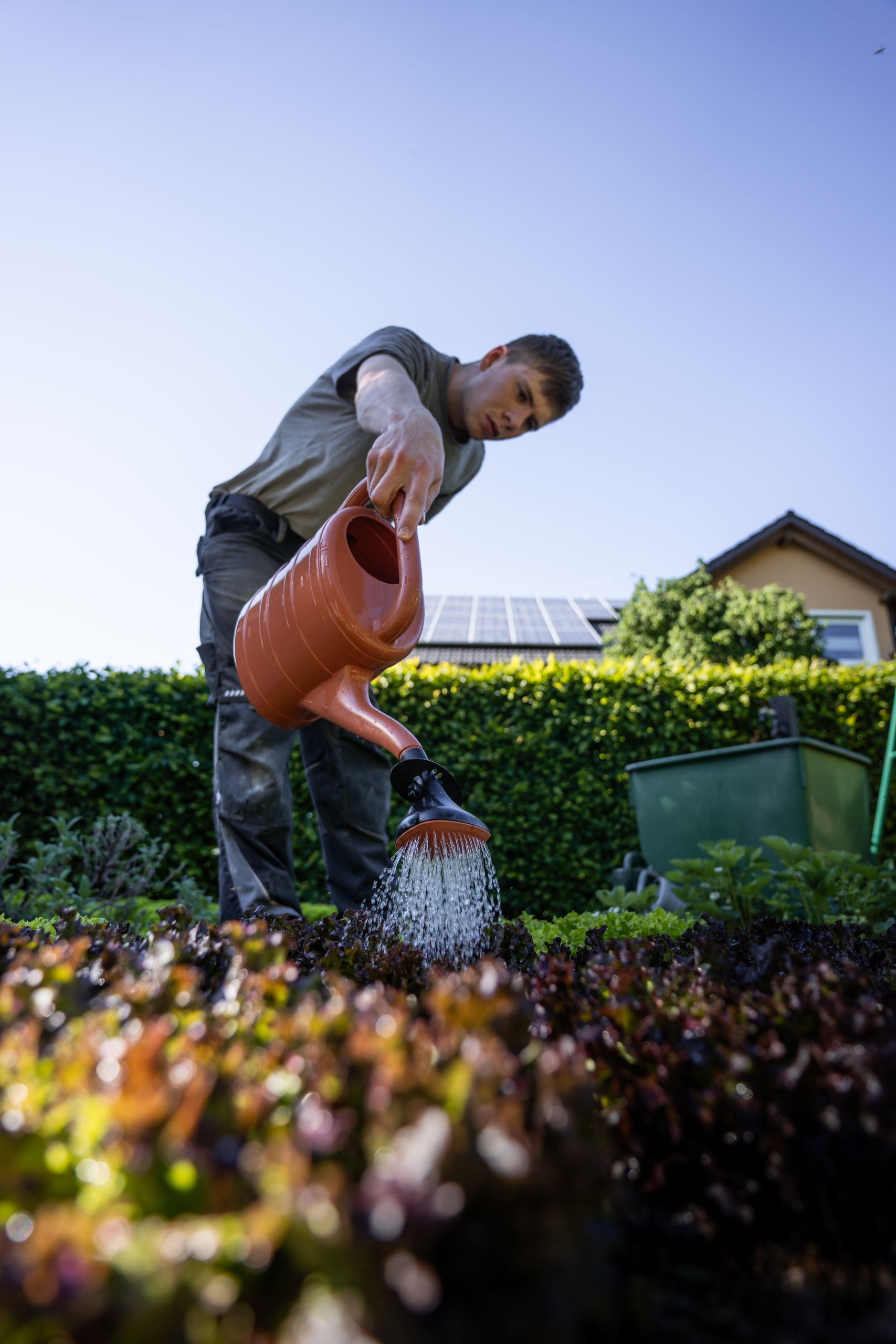
Testing soil in September, rather than waiting until spring, gives gardeners a head start on planning next year’s amendments. According to UConn Extension, collecting soil samples while the ground is still workable gives gardeners time to plan fertilizer or amendment needs well in advance, rather than scrambling to interpret results as the next planting season begins.
Related: How to Prevent Package Theft: 10 Practical Tips That Work
Why the Timing on All of This Matters
None of these seven tasks require special equipment or a large time investment on its own. What they share is a hard deadline that spring doesn’t offer the same way. Bulbs left in frozen ground don’t survive. Seeds left too long scatter on their own. Perennials divided too late in the fall don’t have enough time to root before winter dormancy sets in.
According to the extension experts and garden centers behind this guidance, tackling these tasks in September, while the soil is still workable and the first hard frost is still weeks away, tends to make the difference between a garden that bounces back strong in spring and one that’s left recovering from problems that could have been avoided entirely.
Other posts you might like
- things-nobody-warns-you-about-before-buying-your-first-home
- six-things-homeowners-never-regret-buying
If you like what you just read, then subscribe to our newsletter and follow us on social media.