

The post What Widowed Women Say About Dating Again After 60 first appeared on Crafting Your Home.
Dating after 60 does not look the same for everyone. For some widowed women, a new relationship may mean companionship, shared activities, or enjoying someone’s company without looking for marriage. For others, taking time alone may feel like the right choice.
Research on later-life dating shows that widowed women’s experiences can include questions about grief, independence, family reactions, personal boundaries, and what they want from a relationship. The biggest lesson? There is no single path after loss.
“I Can Miss Companionship Without Wanting Another Husband”
A desire for connection does not always mean a desire to remarry. In interviews with women ages 64 to 77 who had dated later in life, companionship was a major theme. Participants talked about activities such as dinners, movies, dancing, conversation, and feeling appreciated.
For some women, dating was about enjoying a relationship in the present rather than moving toward marriage.
“There Is No Deadline for Being Ready”
Everyone’s timeline after losing a spouse can be different. Research on older bereaved adults found that interest in dating changed over time rather than following one predictable schedule.
In one longitudinal study, 6% of women expressed interest in dating about six months after loss, while 15% expressed interest about 18 months later. The findings show that readiness can develop gradually, not that there is a set time when someone should begin dating.
Related: 10 Things Older Women Want Most in a Relationship
“Dating Is Not About Replacing the Person I Lost”
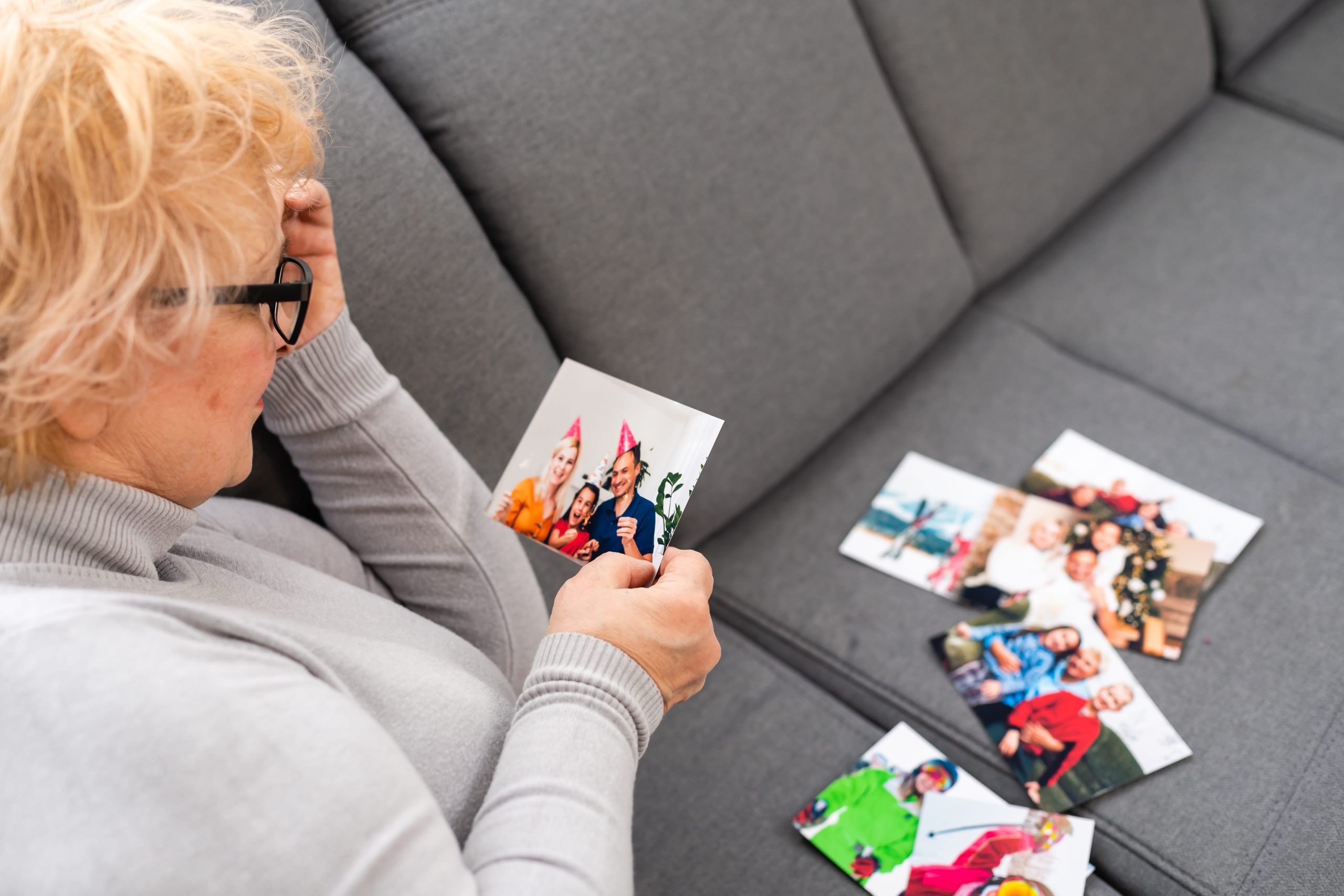
Starting a new relationship does not mean forgetting a late spouse. Research distinguishes dating from remarriage, noting that dating may offer friendship, activities, affection, and intimacy without the same commitments as marriage.
A new connection and memories of a previous relationship can exist at the same time.
“My Independence Matters”
Some widowed women value the independence they have built over time. In interviews, some women described enjoying their lives alone and expressed concerns that a serious relationship, cohabitation, or remarriage could change their routines or responsibilities.
This does not mean every woman wants to avoid commitment. It shows that independence can be an important part of how some women approach dating later in life.
“I Want Someone Who Adds to My Life”
A relationship does not have to be about fixing something that is missing. Some women described having full lives with friends, family, interests, and routines before dating.
For these women, romance could be something that adds to an already meaningful life rather than something needed to create one.
“I Know What I Want Now”
Later-life dating can come with a clearer sense of personal preferences. Women in one qualitative study described valuing kindness, respect, shared interests, good conversation, and enjoying time together.
The study participants also placed less focus on goals such as marriage, raising children, or financial support compared with earlier stages of life. These findings reflect the experiences of the interview group, not every widowed woman’s experience.
“Affection and Boundaries Can Look Different for Everyone”
Dating later in life can involve different forms of closeness, from companionship and affection to romantic and sexual relationships.
The women interviewed expressed different comfort levels and personal values. Their experiences show that older women should not be viewed as having one shared attitude toward intimacy.
“Dating Again Can Feel Exciting and Uncertain”
Beginning a new relationship after many years can bring both positive feelings and concerns. Some women interviewed described worries about emotional, sexual, and financial exploitation, as well as adjusting to a dating world that had changed.
These were personal experiences shared by participants, not measurements of how common these situations are.
Related: 8 Relationship Strengths Older Women Often Bring to Love
“Finding Someone May Be Different, and That Is Not a Failure”
Meeting potential partners later in life can come with different circumstances than dating earlier. A national study using 2005–06 data found that about 14% of unmarried, non-cohabiting adults ages 57 to 85 reported being in a dating relationship at the time.
The same research found dating was less common among women than men in that study. These figures are historical research findings, not current dating rates.
“A Meaningful Relationship Does Not Require Marriage”
Some older adults prefer relationships that allow closeness while keeping separate homes, routines, or finances. One example is “living apart together,” where partners maintain separate households while sharing a committed relationship.
For some people, this arrangement can offer connection while preserving independence.
The Bottom Line: Dating After Loss Is Personal
Widowed women over 60 do not share one universal experience. Some may seek companionship, some may prefer independence, and others may be somewhere in between.
The most respectful approach is to avoid assumptions and recognize that dating after loss is shaped by personal choices, memories, boundaries, and what feels right for each individual.
Other Posts You Might Like
If you like what you just read, then subscribe to our newsletter and follow us on social media.


