

The post 10 Movies That Feel Morally Wrong to Watch first appeared on Crafting Your Home.
Some movies are difficult because of what happens on screen. Others become harder to separate from the history behind them, including controversies around politics, production, consent, or real-world harm. These films are often discussed not simply because they are shocking, but because they raise questions about what viewers are watching and the circumstances surrounding their creation.
This list looks at movies that can feel ethically troubling for different reasons. A film’s disturbing content and concerns about its production history are not always the same issue, and each case has its own context.
The Birth of a Nation (1915)
W. Griffith’s The Birth of a Nation remains one of the most debated films in cinema history because of its portrayal of race and its political impact.
The film presents white supremacist mythology as heroic spectacle and depicts Black people through racist stereotypes. It glorifies the Ku Klux Klan and portrays African Americans as threats. The NAACP organized a national campaign against the film, while some cities cut or banned it. The Library of Congress notes that the film’s portrayal of the Klan as heroes remains a lasting controversy.
Cannibal Holocaust (1980)
Cannibal Holocaust is often discussed because its controversy goes beyond fictional violence. The film includes real killings of animals, including monkeys and a coati, making its ethical concerns connected to actual harm during production rather than only its fictional scenes.
After its Italian release, authorities seized the film, and director Ruggero Deodato faced a murder charge after some people believed the footage was real. The charge was later dropped after the actors appeared in court. Convictions connected to animal cruelty were later overturned, according to reporting from The Guardian.
Last Tango in Paris (1972)
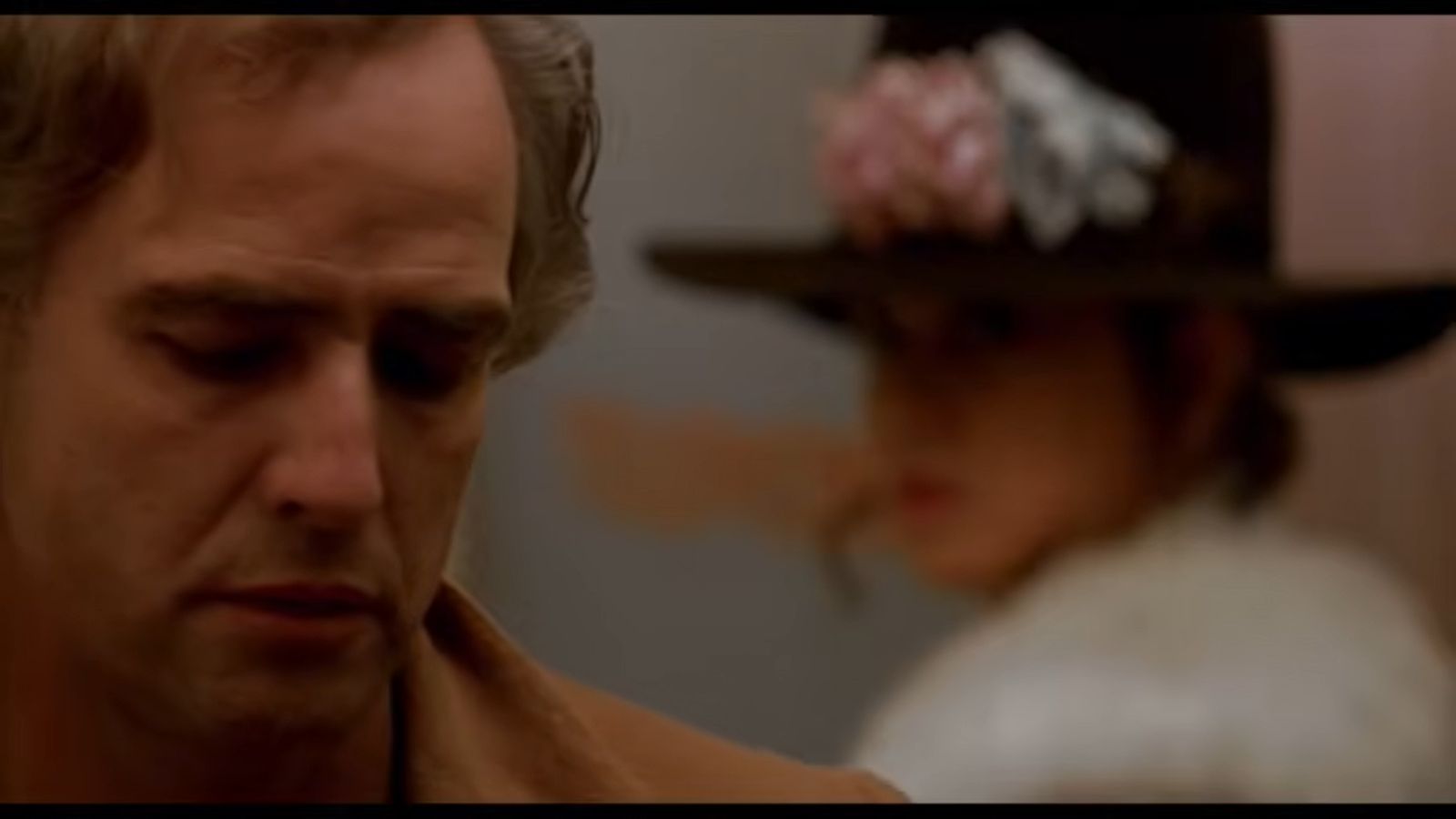
Bernardo Bertolucci’s Last Tango in Paris became a major point of discussion because actress Maria Schneider later described a controversial scene.
Schneider was 19 during filming and later said the butter scene was unexpected and that she hadn’t been told about that detail in advance. The film became a flashpoint for discussions about consent, power dynamics, and treatment of actors during production.
The scene itself was simulated, but Schneider’s account changed how many viewers and filmmakers discussed the boundaries between performance and personal consent.
Twilight Zone: The Movie (1983)
For many viewers, the legacy of Twilight Zone: The Movie is tied not only to the finished film but also to the tragedy that occurred during production.
Actor Vic Morrow, 53, and child actors Myca Dinh Le, 7, and Renee Shin-Yi Chen, 6, were killed while filming a Vietnam War sequence in 1982. Explosions damaged a helicopter’s rotor, causing it to crash. The production also violated child-labor rules related to the children’s presence on set.
Director John Landis and four others were later acquitted of involuntary manslaughter charges.
Salò, or the 120 Days of Sodom (1975/1976)
Pier Paolo Pasolini’s Salò, or the 120 Days of Sodom is known for its extreme depiction of cruelty, domination, and degradation.
The film adapts the Marquis de Sade’s The 120 Days of Sodom and places the story in Fascist Italy in 1944. It has been widely debated as an examination of political, social, and sexual power. The film was censored, banned, and denied commercial distribution in some places for many years.
The film is often interpreted as a criticism of fascism rather than an endorsement of the cruelty it portrays.
The Conqueror (1956)
John Wayne’s The Conqueror is frequently discussed because of concerns surrounding its filming location.
The production filmed near St. George, Utah, in an area affected by fallout from the Nevada Test Site. Later cancer deaths among cast and crew contributed to a lasting “cursed production” narrative. However, a direct link between the filming exposure and specific individuals’ cancers remains difficult to prove.
The Triumph of the Will (1935)
Leni Riefenstahl’s The Triumph of the Will is considered an important film in discussions of propaganda and filmmaking technique.
The documentary records the 1934 Nazi Party rally at Nuremberg and is widely studied as Nazi propaganda while also being recognized for its influence on cinematic methods.
Its place in film history remains debated, especially regarding the relationship between artistic technique and political messaging.
Song of the South (1946)
Disney’s Song of the South has faced criticism over its portrayal of the post-Civil War South and its use of racist stereotypes.
The film is not widely available on Disney’s streaming service, and the former Splash Mountain attraction was later rethemed as Tiana’s Bayou Adventure.
The Deer Hunter (1978)
The Deer Hunter received major recognition, including five Academy Awards, but also became controversial because of its depiction of the Vietnam War and Vietnamese characters.
The film’s Russian-roulette scenes and portrayal of Vietnamese people and wartime violence have been debated by critics. Historians have challenged parts of the film’s depiction as unsupported or distorted.
The Passion of the Christ (2004)
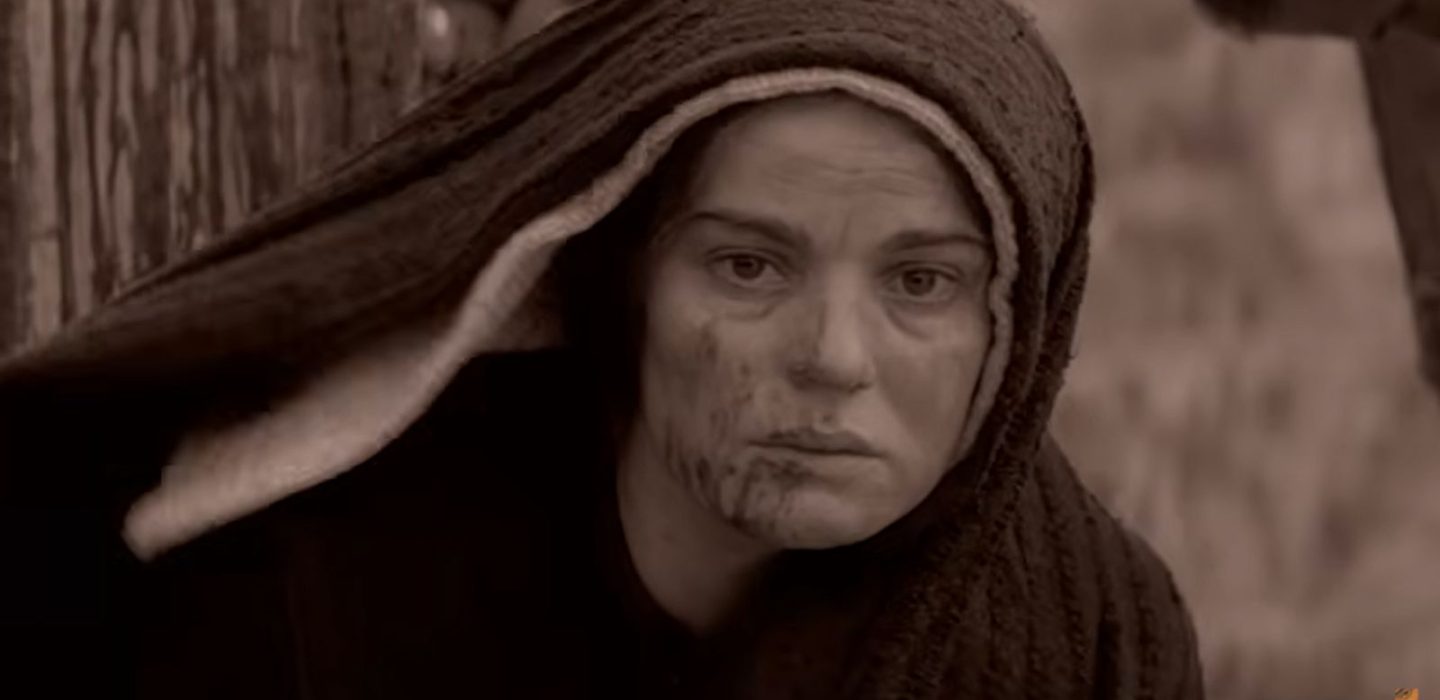
Mel Gibson’s The Passion of the Christ became one of the most discussed religious films of the 2000s.
The film drew attention for its graphic depiction of suffering, while critics and Jewish groups raised concerns about whether some portrayals could reinforce antisemitic interpretations.
The movie remains part of broader discussions about how filmmakers portray religion, historical events, and violence on screen.
Why These Movies Remain Debated
These films are difficult to group under one category because the concerns are different. Some involve racist propaganda, some involve production controversies, and others raise questions about extreme artistic choices or historical representation.
Their continued discussion shows that a movie’s impact can extend beyond its story — into the circumstances of its creation, the ideas it presents, and the conversations it creates afterward.
Other Posts You Might Like
If you like what you just read, then subscribe to our newsletter and follow us on social media.


