



A good snack can do more than quiet a rumbling stomach. When there are several hours between meals, the right bite can help take the edge off hunger, add useful nutrients to your day, and keep you from arriving at dinner feeling like you could eat everything in sight.
But not every snack is equally satisfying.
Some foods taste great but leave you hungry again soon after. Others combine protein, fiber, healthy fats, or whole-food carbohydrates in a way that makes them more substantial without turning a snack into another full meal. Harvard’s nutrition guidance specifically points to foods such as nuts, yogurt, fruit, vegetables, hummus, and whole grains as useful snack choices.
So, which snacks deserve a permanent place in your kitchen?
Here are some of the best options, ranked from excellent all-around choices to snacks that are still worth reaching for when the craving strikes.
Greek Yogurt With Berries
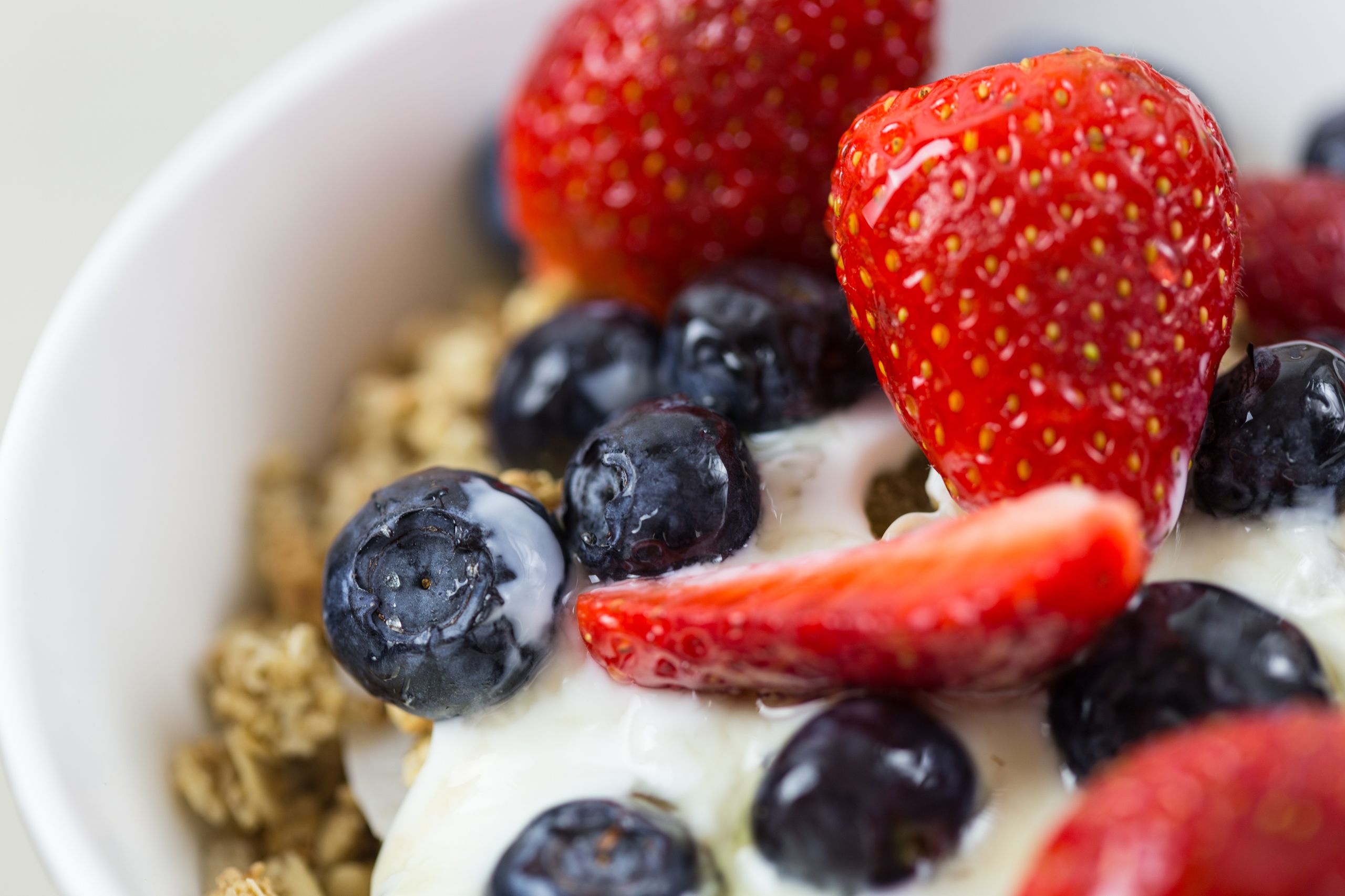
It’s difficult to beat Greek yogurt when you’re looking for something quick, creamy, and filling.
Plain Greek yogurt provides protein, while berries add natural sweetness and fiber. You can also add a small spoonful of nuts or seeds for extra texture.
Harvard Health lists plain Greek yogurt with berries among its recommended smart snack combinations because it combines protein, carbohydrates, and other nutrients in a simple package.
Best for: Afternoon hunger, breakfast-like cravings, or a sweet snack without relying on candy.
Apple With Peanut Butter
The combination works because it gives you two very different textures and flavors at once.
The apple provides carbohydrates, water, and fiber, while peanut butter contributes protein and fat. Harvard’s nutrition guidance specifically uses an apple with peanut butter as an example of a satisfying snack portion.
For a more balanced snack, choose an unsweetened or minimally sweetened peanut butter when possible.
Best for: Midmorning or afternoon hunger.
Hummus and Fresh Vegetables
Carrots, cucumbers, bell peppers, broccoli, and cherry tomatoes become considerably more satisfying when paired with hummus.
This snack is also easy to prepare ahead of time. Wash and cut the vegetables, portion the hummus into small containers, and keep them ready in the refrigerator.
Harvard Health recommends hummus with fresh vegetables as one example of a nutrient-dense snack built around minimally processed foods.
Best for: A crunchy, savory snack.
A Small Handful of Nuts
Almonds, walnuts, pistachios, peanuts, and other nuts can be remarkably convenient. They require almost no preparation and provide protein, fat, and other nutrients.
The main catch is portion size. Nuts are easy to eat straight from the bag, so measure out a serving rather than repeatedly reaching for another handful.
Harvard’s nutrition guidance recommends nuts as a satisfying snack while emphasizing the importance of keeping portions reasonable.
Best for: Work, travel, or keeping an emergency snack nearby.
Cottage Cheese With Fruit
Cottage cheese is another protein-rich option that works particularly well with fruit.
Try it with berries, peaches, pineapple, or sliced pears if you prefer savory snacks, tomatoes, cucumber, and a pinch of black pepper work just as well.
Its biggest advantage is versatility: the same basic ingredient can satisfy either a sweet or savory craving.
Best for: People who want a protein-rich snack that doesn’t require much preparation.
Related : Organizing Your Freezer: 5 Easy Steps
Popcorn
Popcorn has a reputation for being a movie-night food, but plain or lightly seasoned popcorn can also make a surprisingly good everyday snack.
The key is how you prepare it. A heavily buttered or sugar-coated version is a very different snack from simple air-popped popcorn.
Harvard’s Nutrition Source includes popcorn among whole-food snack options that can boost satisfaction, especially when it is part of a balanced snack pattern.
Best for: When you want something crunchy and salty.
Hard-Boiled Eggs
Hard-boiled eggs are simple, portable, and protein-rich.
Prepare several in advance and keep them refrigerated so you have something ready when hunger appears. Pair one with fruit or a few whole-grain crackers if you need something more substantial.
Best for: A savory snack that feels more substantial than a handful of chips.
Related : How to Use Eggshells in the Garden
Edamame
Edamame may not be the first snack that comes to mind, but it deserves more attention.
These young soybeans provide protein and fiber and can be served warm or chilled. A little seasoning can turn them into a flavorful afternoon snack.
Harvard Health includes shelled edamame among its recommended high-quality snack choices.
Best for: Anyone looking for a plant-based savory option.
Whole-Grain Crackers With Cheese
Sometimes you want something crunchy and salty.
Whole-grain crackers paired with a modest portion of cheese can make that craving more satisfying than eating crackers alone. The crackers provide carbohydrates, while cheese contributes protein and fat.
Harvard Health recommends combinations such as whole-grain crackers with cheese as examples of snacks that combine multiple macronutrients.
Best for: A quick savory snack.
Fresh Fruit
Never underestimate a piece of fruit.
An apple, orange, banana, pear, peach, or handful of berries can be exactly what you need when hunger is mild, and your next meal isn’t too far away.
Fruit also makes an easy snack because it requires little preparation and can be carried almost anywhere.
If you’re genuinely hungry, however, fruit alone may not hold you for very long. Pairing it with yogurt, nuts, cheese, or nut butter can make it more substantial.
Best for: Light hunger and on-the-go snacking.
Roasted Chickpeas
If you love crunchy snacks, roasted chickpeas are worth trying.
Season them with paprika, garlic, black pepper, cumin, or other spices, then store them for quick snacking.
Chickpeas also provide protein and fiber, making them more substantial than many conventional crunchy snacks.
Harvard Health lists chickpeas among its high-protein snack options.
Best for: Replacing chips when you want something crunchy.
Whole-Grain Toast With Nut Butter
A slice of whole-grain toast spread with peanut, almond, or another nut butter can bridge the gap between meals nicely.
Harvard’s nutrition resources list whole-wheat toast with peanut or almond butter as a healthy snack idea.
For a sweeter version, add banana slices or a few berries. For something savory, try a thin layer of nut butter with a sprinkle of seeds.
Best for: A snack that feels almost like a mini meal.
Cheese and Grapes
The combination of creamy cheese and sweet, juicy grapes makes this an easy snack to enjoy with little prep.
The cheese adds protein and fat, while grapes provide carbohydrates and fluid. Keep the cheese portion modest so the snack doesn’t quietly become a full meal.
Best for: An afternoon snack when you want something sweet and savory.
Trail Mix
Trail mix can be an excellent snack or a surprisingly easy way to eat far more than you intended.
A good homemade version might combine nuts, seeds, a small amount of dried fruit, and perhaps a few pieces of dark chocolate.
The advantage of making your own is that you control the ingredients and proportions. Harvard Health recommends a modest portion of trail mix containing nuts or seeds, dried fruit, and dark chocolate.
Best for: Hiking, traveling, or keeping in a desk drawer.
Dark Chocolate With Nuts or Fruit
Sometimes the snack you actually want is something sweet.
Rather than pretending a piece of fruit will always satisfy a chocolate craving, a small amount of dark chocolate paired with nuts or fruit can be a more enjoyable option.
The important word here is small. A snack doesn’t need to eliminate every craving by becoming a dessert-sized serving.
Best for: Satisfying a sweet tooth.
What Makes a Snack Actually Good?
There’s no single food that qualifies as the “perfect” snack.
The best choice depends on how hungry you are, how long it will be until your next meal, what you’ve already eaten that day, and what you genuinely enjoy.
Still, a useful rule is to look for snacks built around whole or minimally processed foods and, when possible, combine protein, fiber, healthy fats, or whole-grain carbohydrates. These combinations tend to be more satisfying than snacks dominated by refined carbohydrates or added sugars.
Portion size matters, too. Harvard’s Nutrition Source gives roughly 150 to 250 calories as a general snack guideline for many adults, while emphasizing that individual needs vary.
And remember: snacks are meant to bridge the gap between meals, not necessarily replace them.
The Bottom Line
The best between-meal snack isn’t necessarily the one with the fewest calories or the most impressive nutrition label. It’s the one that satisfies you without leaving you reaching for another snack ten minutes later.
Greek yogurt with berries, an apple with peanut butter, hummus and vegetables, nuts, cottage cheese, popcorn, eggs, and other combinations on this list can all fit into a balanced eating pattern.
The trick is to keep portions sensible, pay attention to hunger rather than eating automatically, and choose foods you actually enjoy.
After all, a good snack should do two things: tide you over until the next meal and make you glad you ate it.
Other Posts You Might Like
- America’s Favorite Soda Brand Is Changing, and Coke and Pepsi Should Be Worried
- 11 Strange Foods Americans Ate During the Great Depression That Would Shock People Today
- 10 Layers Behind Burger King’s “Free Burger” Deal That Customers Often Miss
If you like what you just read, then subscribe to our newsletter and follow us on social media.


