


The post 9 Beloved Foods That Began as Poverty Staples first appeared on Crafting Your Home.
Some of the foods we celebrate today began with a very practical question: How can we make something satisfying with what we already have? Across different regions and periods, cooks found ways to stretch bread, use inexpensive grains, make meals from leftovers, or turn ingredients that were difficult to sell into something worth eating.
But the history is more complicated than saying these were simply “poor people’s foods.” Some were associated with workers or rural communities, some were designed to prevent waste, and others were affordable in particular places and periods before becoming more expensive.
The common thread is resourcefulness. These nine foods show how practical cooking can become lasting culinary tradition.
Ribollita Turned Yesterday’s Meal Into Something New
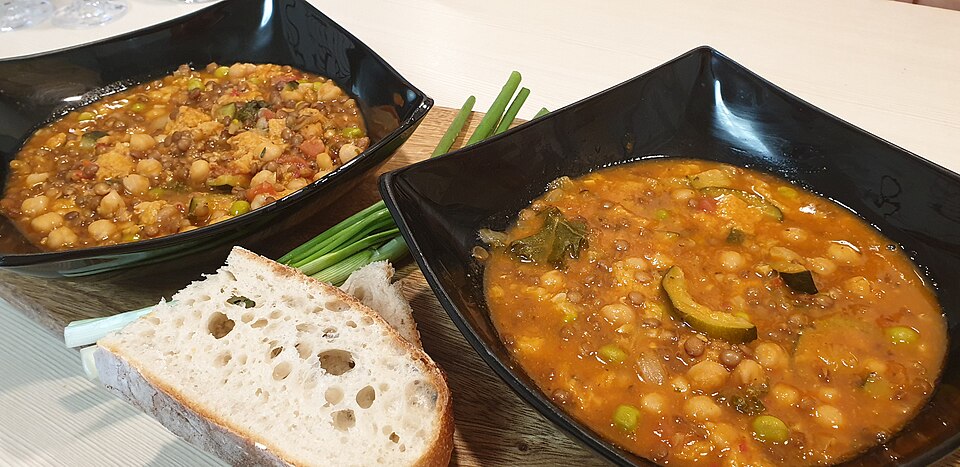
Ribollita is one of the clearest examples of Tuscan cucina povera, or frugal cooking. The hearty vegetable-and-bean soup uses stale bread to make the meal thicker and more filling.
Its name comes from the idea of reboiling or recooking the soup. Rather than treating leftovers as something to throw away, cooks could transform them into another substantial meal. Visit Tuscany documents ribollita as part of the region’s countryside cooking tradition.
Today, ribollita remains a recognized Tuscan specialty, showing how a practical approach to leftovers became part of the region’s culinary identity.
Related: 10 Foods You Should Never Store in the Fridge — Here’s What to Do Instead
Panzanella Made Stale Bread Worth Saving
Panzanella takes the same basic resourcefulness in another direction. Instead of turning stale bread into soup, Tuscan cooks incorporated it into a bread salad.
Traditional versions use soaked and squeezed bread with ingredients such as tomatoes, onion, basil, olive oil, and vinegar. Tuscany’s official culinary guidance connects the region’s extensive use of stale bread with both poverty and the desire to avoid waste.
The modern dish should not automatically be projected unchanged into earlier centuries. Ingredients and recipes evolve. What remains consistent is the broader idea of making useful food from bread that might otherwise have been discarded.
Pappa al Pomodoro Kept Things Simple
Pappa al pomodoro is another Tuscan specialty built around bread, tomatoes, olive oil, basil, and other modest ingredients.
Its appeal lies partly in how little is needed to create something distinctive. Official regional guidance places it within a broader Tuscan tradition of cooking with bread, oil, legumes, and seasonal vegetables.
There is no need to invent a precise creator or founding date for the dish. Its history is better understood as part of a wider culinary tradition in which cooks made the most of available ingredients.
Acquacotta Was Shaped by Life on the Move
Acquacotta, associated with Tuscany’s Maremma area, offers an even clearer glimpse into cooking shaped by occupation and limited supplies.
The soup was associated with people including shepherds, herders, and charcoal workers who worked with what they could carry or find locally. Depending on the circumstances, versions could contain vegetables, bread, eggs, and pecorino.
That flexibility is part of the story. Recipes could change according to the season, available plants, and the occupation of the people preparing the meal.
Neapolitan Fried Pizza Was Born From Difficult Times
Pizza fritta, or Neapolitan fried pizza, has a particularly specific connection to hardship. Food historian Simone Cinotto, cited by the BBC, connects its popularity with poverty during and after the Second World War, when access to conventional pizza was disrupted.
Vendors could sell fried dough to customers who were struggling financially, including through an arrangement known as a ogge a otto, meaning customers could eat immediately and pay later.
Its wartime connection should not be confused with the invention of fried dough itself. The significance is that difficult economic circumstances helped shape this particular Neapolitan street-food tradition.
Goulash Traveled From Herding Country to Fine Dining
Goulash has a fascinating journey from occupational cooking to internationally recognized cuisine.
Food historian Rachel Laudan describes Hungarian cattle herders preparing food with portable ingredients such as millet, lard, bacon, onions, and salt. Fresh meat could become an occasional stew rather than an everyday ingredient.
Over time, goulash became closely associated with Hungarian identity and eventually entered elite European cooking. Laudan notes that Auguste Escoffier served Goulash à la Hongroise in Monte Carlo in 1879 and later included it in Le Guide Culinaire.
There is an important language distinction, too. In Hungary, gulyás generally refers to a soup, while pörkölt is a stew. International versions do not always follow those definitions.
Bouillabaisse Made Use of Fish That Had Less Market Value
Bouillabaisse provides another example of the difference between market value and culinary value.
Marseille’s tourism authority describes fishermen setting aside portions of their catch for themselves and their families. Other historical accounts describe less marketable fish becoming part of the meal.
Over time, the dish became a celebrated Marseille specialty and eventually a restaurant attraction. But there is no need to pretend that one precise invention story has been conclusively established. Accounts differ over whether its earliest form developed on boats, in fishing households, or through other local practices.
The broader story is enough: a fishing-community preparation gained cultural and culinary status without losing its connection to Marseille.
Polenta Became a Northern Italian Staple
Polenta is another example of how inexpensive, filling food can become deeply associated with regional cooking.
Maize arrived in Europe from the Americas in the sixteenth century, and maize-based polenta became associated with affordability and scarcity in northern Italy. However, it would be misleading to suggest that all historical polenta was made from corn. Older grain preparations existed before maize arrived in Europe.
That distinction matters because food traditions evolve with available crops. What we call polenta today reflects one stage in a much longer history of grain-based cooking.
Oysters Were Once Far More Affordable in Some Places
Oysters may be the most surprising example because many people now associate them with expensive restaurants and special occasions.
That was not always the case. Historical reporting cited in the research describes oysters as affordable protein for industrial urban workers in some nineteenth-century cities.
At the same time, oysters were also served at elegant banquets. Archaeological research from Michigan State University similarly describes nineteenth-century oyster consumption across social classes.
That means oysters should not be described as a food that simply went from “poor” to “luxury.” Their history involved changing abundance, markets, sanitation concerns, fisheries, and demand.
Related: 5 Protein-Packed Foods That Make Meatless Dinners Feel Like a Real Meal
The Lobster Story Is More Complicated Than the Famous Myth
Lobster is often included in lists about foods that supposedly went from poverty food to luxury delicacy. But the familiar story that prisoners were legally limited in how often they could be served lobster is not established by the evidence summarized here.
The better lesson is that food status changes with geography, markets, availability, and time. The same ingredient can be ordinary in one setting and prestigious in another.
That is why food history deserves more care than a simple “poor food became rich food” narrative.
Other Posts You Might Like
-
Why Some People Love Spicy Food, and Others Can’t Stand It, According to Science
-
The Boomer Food Traditions That Still Bring People to the Table
-
As England Bans Fried Foods in Schools to Curb Obesity, America Turns to GLP-1s for Teens
If you like what you just read, then subscribe to our newsletter and