

Science

Why Some People Love Spicy Food, and Others Can’t Stand It, According to Science

Gracy Munga
By Gracy Munga 5 min read

This post: Why Some People Love Spicy Food, and Others Can’t Stand It, According to Science first appeared on Crafting Your Home.


Some people happily add hot sauce to nearly every meal, while others start sweating after one bite of a mildly spicy dish. The difference can seem dramatic, but science shows that biology, experience, culture, personality, and even how the brain processes discomfort shape our reactions to spicy food.

Spicy food is unusual because the burning sensation it creates isn’t a taste like sweet, salty, sour, bitter, or umami. Instead, it is a chemical reaction that activates pain and heat receptors in the mouth. That is one reason people can have such different responses to the same chili pepper.

Capsaicin Creates the Burning Sensation

Assorted colorful chili peppers in bowls, perfect for spice and flavor photography.
Image credit:Matheus Bertelli/pexels

The main chemical responsible for the heat in chili peppers is called capsaicin. When capsaicin enters the mouth, it binds to receptors known as TRPV1 receptors.

These receptors normally respond to high temperatures and other potentially harmful stimuli. Capsaicin tricks them into sending a message to the brain that the mouth is experiencing intense heat, even if the food’s temperature is perfectly normal.

That is why spicy food can make the mouth feel as though it is burning.

People Have Different Levels of Sensitivity

Not everyone reacts to capsaicin in the same way. Some people may naturally be more sensitive to the burning sensation than others.

Differences in the number and sensitivity of pain receptors may influence how intense spicy food feels. Someone highly sensitive may find even a small amount of chili extremely uncomfortable, while another person may barely notice it.

This helps explain why one person can calmly eat a hot curry while someone sitting beside them struggles after a single bite.

Repeated Exposure Can Increase Tolerance
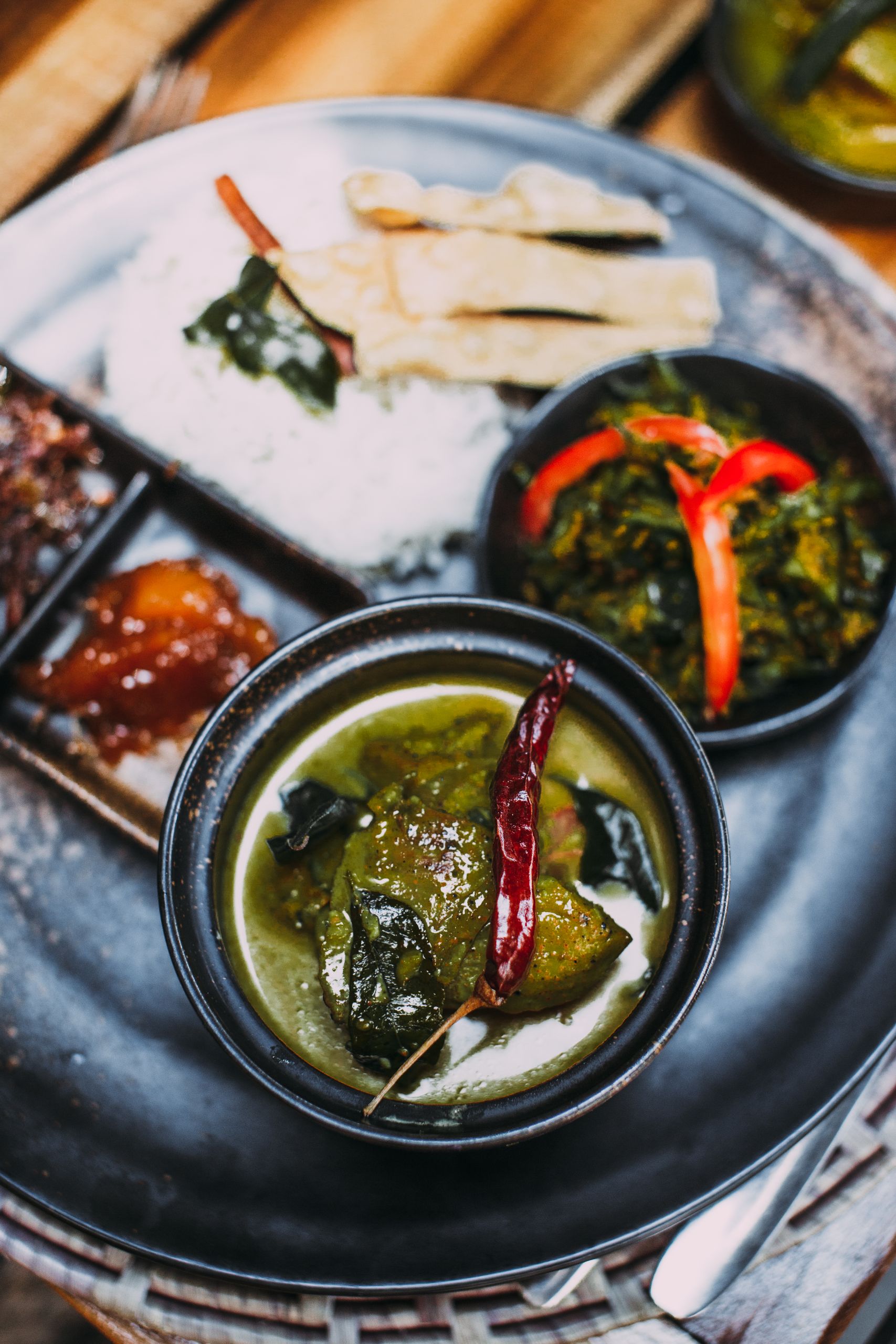
Close-up of a vibrant Asian meal with chili peppers and rice, showcasing rich culinary textures and colors.
Image credit: Rachel Claire/pexels
One of the biggest factors in spicy-food tolerance is experience.

People who regularly eat spicy food often become less sensitive to the burning sensation over time. Repeated exposure to capsaicin can reduce how strongly the nervous system responds.

This does not necessarily mean the spice stops producing a reaction. Instead, the person becomes more accustomed to the sensation and may learn that the temporary discomfort is not dangerous.
As tolerance increases, people may choose hotter foods to experience the same level of excitement.

Culture Plays a Major Role

Culture and childhood strongly shape food preferences.

People who grow up in regions where chili peppers are commonly used in everyday meals are often introduced to spicy flavors from a young age. Over time, these flavors become familiar and enjoyable.

In cultures where spicy food is less common, people may have fewer opportunities to develop the same tolerance.
Family habits also matter. Children often learn what foods are normal and enjoyable by watching parents and other family members.

The Brain Can Turn Pain Into Pleasure

Spicy food is especially interesting because it creates controlled discomfort.

When the brain detects the burning sensation caused by capsaicin, the body may respond by releasing chemicals associated with pain relief and pleasure, including endorphins.

For some people, this creates an enjoyable rush. The experience can feel exciting, similar to riding a roller coaster, watching a scary movie, or doing an intense workout.
The brain knows the situation is relatively safe, so that the discomfort can become part of the fun.

Personality May Influence Spice Preference

Researchers have also explored whether personality traits are connected to spicy-food preferences.

People who enjoy exciting or intense experiences may be more attracted to very spicy foods. Someone who likes thrills, challenges, or strong sensations might enjoy testing how much heat they can handle.

For these individuals, eating spicy food can become more than a meal. It can feel like a small personal challenge.
However, personality is only one part of the picture, and it does not determine everyone’s preferences.

Memories Can Shape Food Preferences

Positive memories can also make spicy food more appealing.

A person may associate spicy dishes with family gatherings, travel, celebrations, or favorite childhood meals. These emotional connections can make the heat itself feel comforting and enjoyable.

On the other hand, someone who once had an unpleasant experience with spicy food may become more cautious. If a very hot meal caused pain, stomach discomfort, or embarrassment, the brain may begin associating spicy flavors with something negative.

Your Body Can Influence How Much Spice You Enjoy

Physical reactions also affect preference.

Spicy food can cause sweating, watery eyes, a runny nose, and temporary discomfort. Some people enjoy these sensations, while others find them unpleasant.

Certain digestive conditions can also make spicy food uncomfortable for some individuals. Although spicy foods do not affect everyone the same way, personal physical reactions can strongly influence whether someone chooses to eat them again.

There Is No “Right” Level of Spiciness

A traditional Indonesian meal arrangement with rice and assorted dishes in Jakarta.
Image credit:Edward Legowo/pexels
Ultimately, loving or hating spicy food is not simply a matter of being tough or weak.

Biology, repeated exposure, cultural background, personal memories, personality, and individual sensitivity shape the reaction.

That is why two people can eat the same chili pepper and have completely different experiences. For one person, the burn may feel exciting and delicious. For another, it may simply feel painful.

Science suggests that our relationship with spicy food is a perfect example of how taste is influenced not just by the tongue, but by the brain, the nervous system, and a lifetime of experiences.
Other Post You Might Also Like

If you like what you just read, then subscribe to our newsletter and follow us on social media.

Leave a Reply

Your email address will not be published. Required fields are marked *