Meat-free meals can be simple, satisfying, and varied with the right ingredients.
For people exploring more plant-based choices, the focus often starts with finding foods that add substance to everyday dishes. Protein-rich plant foods can be an important part of planning meat-free meals, offering options that work across different recipes and cooking styles.
Nutrition resources from Harvard highlight several plant-based foods that provide protein, including lentils, tofu, tempeh, beans, quinoa, nuts, and seeds. These ingredients can add variety to meals and give home cooks more options for creating meatless dishes.
For everyday households looking to try new dinner ideas, these five protein-packed foods can become useful additions to the kitchen.
Why protein choices matter in meatless meals
Moving toward meatless meals does not mean giving up variety. Many plant-based ingredients can serve as the foundation of a meal, whether they are added to bowls, salads, soups, or other dishes.
Choosing protein-rich ingredients can help create meals that feel more complete. Instead of building a plate around meat, home cooks can explore different plant-based foods and discover new combinations.
A variety of options also makes it easier to avoid repeating the same meals. Ingredients such as lentils, tofu, beans, quinoa, nuts, and seeds each bring their own textures and flavors.
Lentils.
Image credit: Gül Işık/pexels
Lentils are one of the most popular plant-based protein options for meatless cooking. They are a versatile ingredient you can use in many different types of meals.
Their texture makes them suitable for dishes where cooks want something hearty and filling. Lentils work well in soups, stews, salads, and other recipes that need a protein-rich ingredient.
For people starting with meatless meals, lentils can be a practical choice because they work well with different flavors and cooking styles. They can help add variety to weekly meal planning without requiring complicated preparation.
Tofu or Tempeh.
Tofu and tempeh are two plant-based foods that are often used in meatless recipes. Both are made from soy and can be prepared in different ways.
Tofu is known for its ability to take on the flavors of the ingredients and seasonings around it. This makes it a flexible option for many types of dishes.
Tempeh offers another soy-based choice for cooks looking to add variety. Adding tofu or tempeh to meals can introduce different textures and offer another way to prepare plant-based dishes at home.
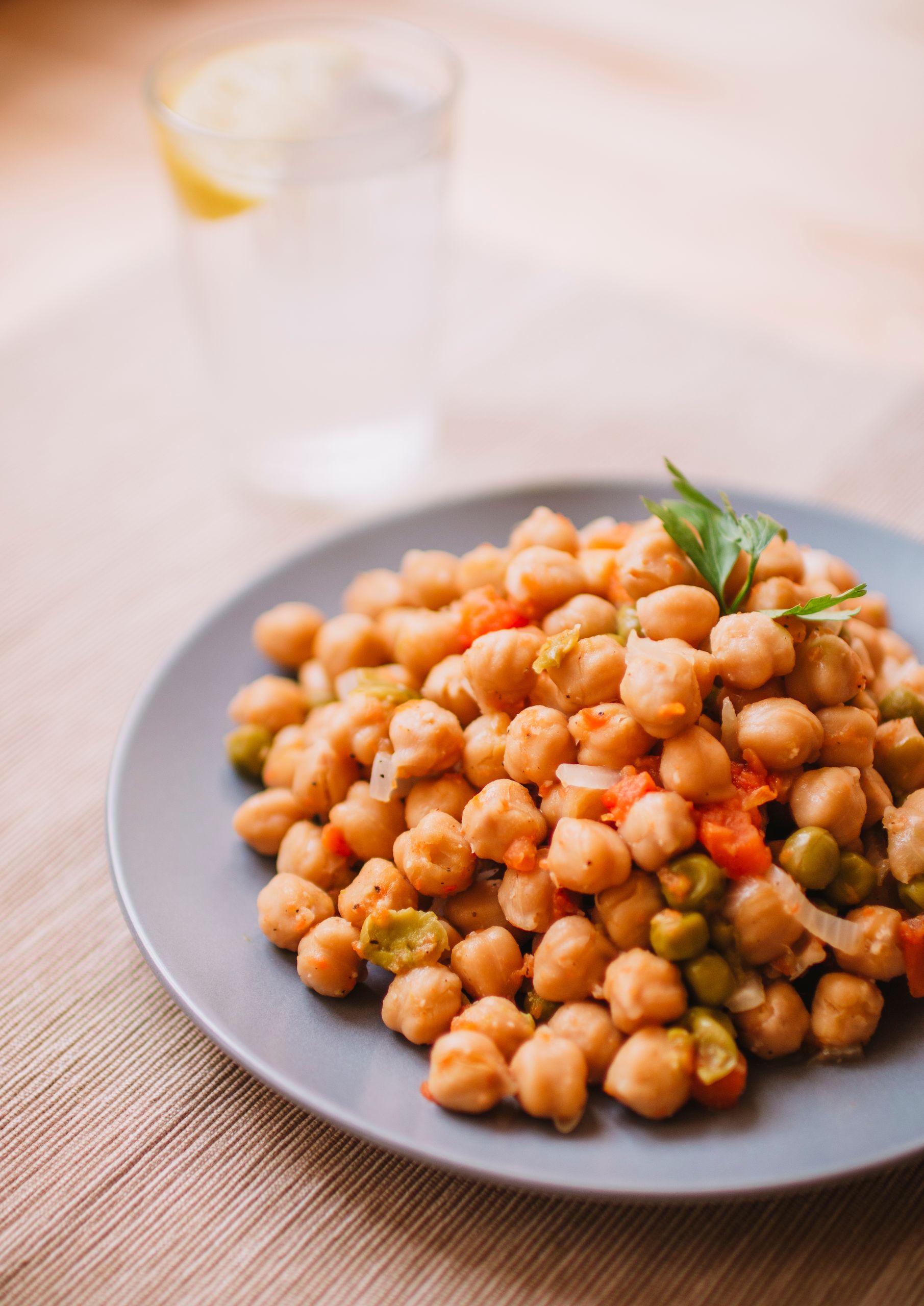
Chickpeas and other beans are another group of foods that can play an important role in meatless cooking. They are commonly used in a wide range of recipes and can fit into many meal ideas.
You can add beans to soups, salads, spreads, and main dishes. Chickpeas, in particular, work in many types of cooking and add a different texture to meals.
For households looking to expand their plant-based options, beans offer a familiar ingredient that works in many everyday recipes.
Quinoa.
Quinoa is a plant-based food that can be used as a protein source in meals. It has become a popular ingredient for people looking to add more variety to their cooking.
Quinoa works well in salads, bowls, and other dishes when cooks want a different base or ingredient. Its versatility lets you combine it with vegetables, beans, and other foods.
Adding quinoa to the menu can give home cooks another option when planning meatless meals. You can prepare it in different ways and pair it with a range of ingredients.
Nuts and Seeds.
Image credit: Marta Branco/pexels
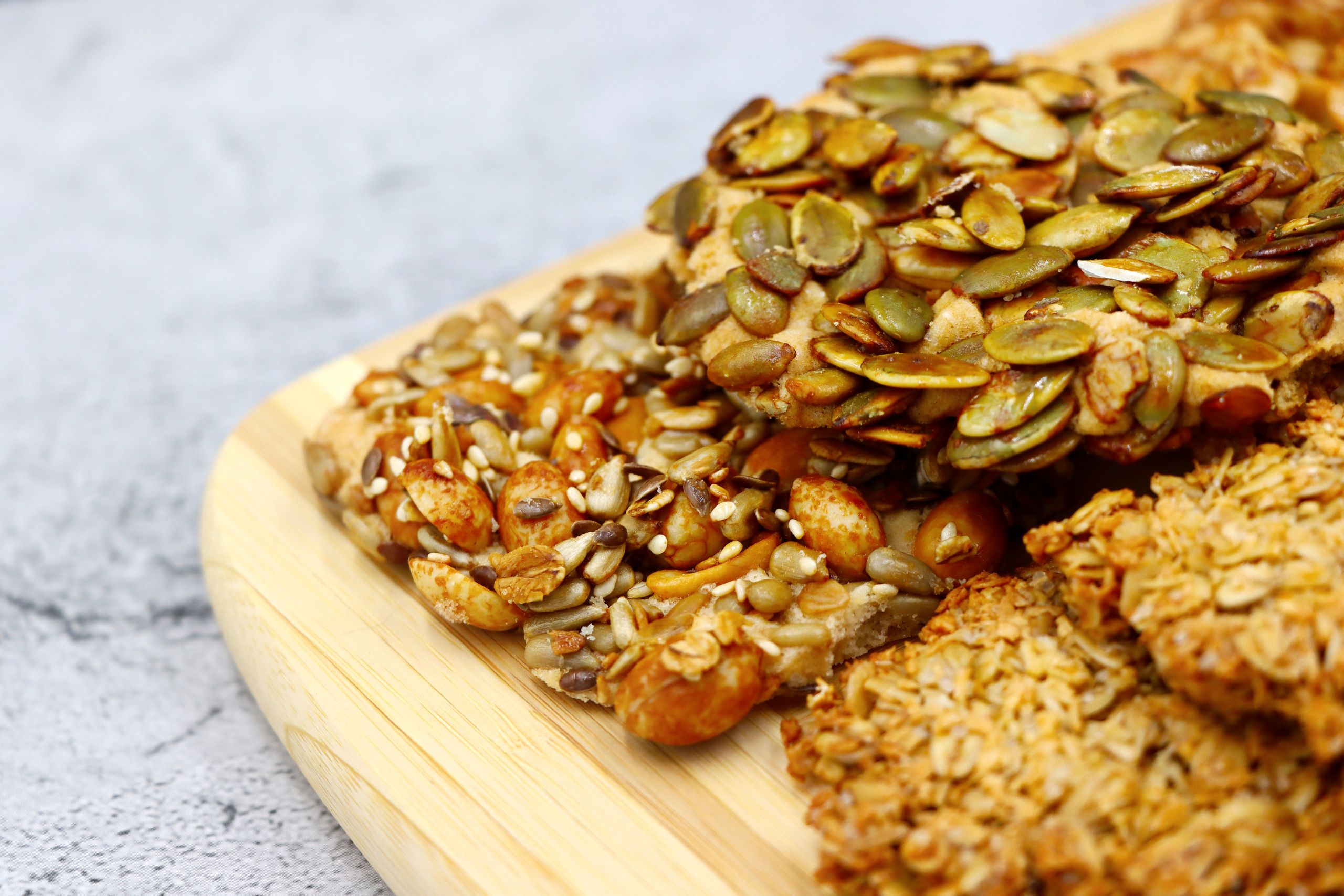
Nuts and seeds can also contribute protein to plant-based meals. You can add them to many recipes, adding variety to everyday cooking.
You can use these ingredients in different forms, from toppings to additions in meals and snacks. They can add different textures and flavors depending on how they are prepared.
For home cooks exploring meatless options, nuts and seeds offer another ingredient category to experiment with when creating meals.
Making meatless meals more varied
Building satisfying meatless meals often starts with choosing ingredients that offer different textures, flavors, and uses. Protein-rich plant foods can give cooks more flexibility when planning what to prepare.
Lentils, tofu or tempeh, chickpeas and beans, quinoa, and nuts and seeds can all help expand everyday meal choices. You can mix and match them in different ways to create a wider range of dishes.
For anyone looking to try more meatless meals, the next step is simple: explore different ingredients, experiment with recipes, and find combinations that fit personal tastes and routines. With more plant-based options available, creating a varied dinner menu can become an enjoyable part of home cooking.