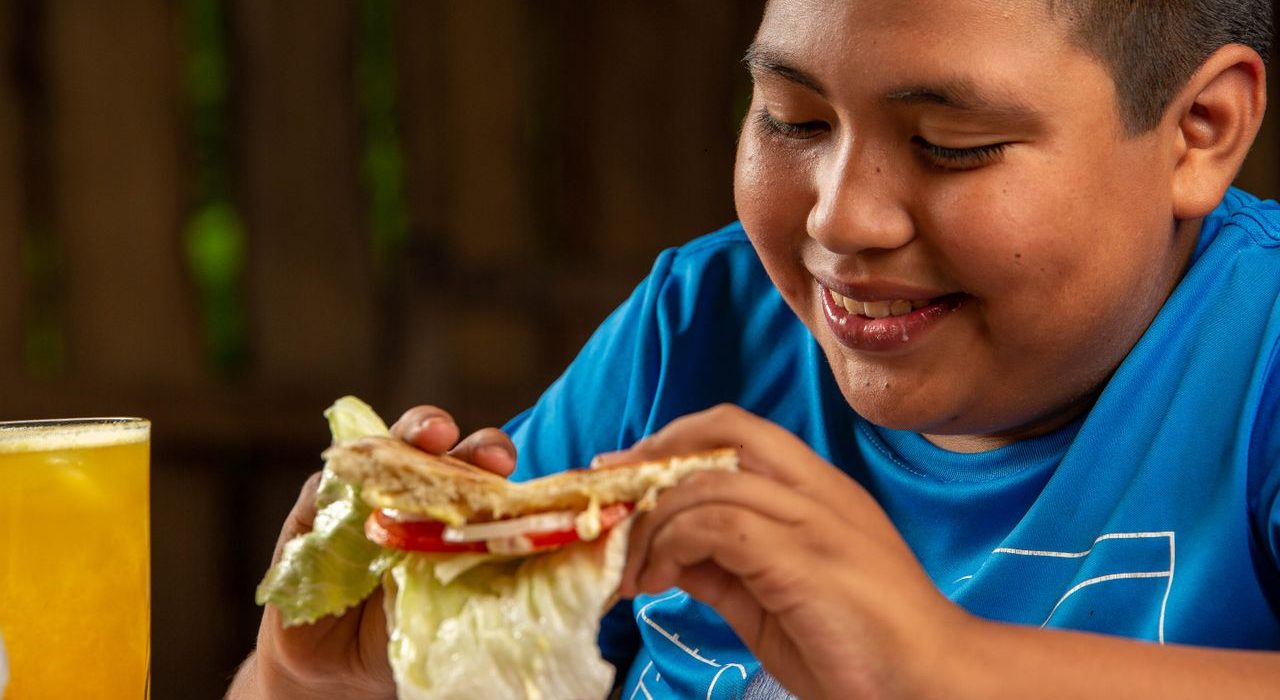

The post As England Bans Fried Foods in Schools to Curb Obesity, America Turns to GLP-1s for Teens first appeared on Crafting Your Home.
England’s Department for Education published its final School Food Standards in September 2026, closing a consultation that ran from April to June and drew responses from health experts, educators and parents. It is the first overhaul of the rules since 2014.
Across the Atlantic, American clinicians are leaning on an entirely different lever: prescriptions for GLP-1 receptor agonists among adolescents with obesity have climbed roughly sixfold since 2020, even as the drugs remain rare among teenagers as a share of the population.
England scraps deep frying and rewrites what counts as a school lunch

Under the new standards, deep frying is banned outright in school kitchens, meaning chips must now be oven baked. Sweet desserts drop from a daily lunch option to twice weekly in secondary schools and once weekly in primary schools. Bread must contain at least 3 grams of fibre per 100 grams, and half of all pasta and rice offerings must be brown or wholewheat.
Primary pupils will also encounter pulses, such as lentils or chickpeas, at least once a week. Breakfast clubs are now subject to nutrition rules for the first time. Education Secretary Lucy Powell framed the package as fuller stomachs and a fairer start for every child, tying it to a broader expansion of free school meals that now covers every child in a household receiving Universal Credit.
A decade-old loophole is finally closing
The 2014 standards, introduced under then Education Secretary Michael Gove, already capped deep-fried and battered food at two portions a week. What changes now is enforcement. Academies and free schools, which multiplied after 2014, were never legally bound by those standards. The 2026 rules close that gap, requiring every school to publish menus online and appoint a named food governor.
Food Standards Agency chair Professor Susan Jebb welcomed the shift as consistent with the government’s 10-year health plan. Backers assembled for the announcement included Leon co-founder Henry Dimbleby, who resigned as the government’s food adviser in 2023, and chef Jamie Oliver, who called school food the ‘UK’s most important restaurant chain.’
Not everyone expects the fryer ban to change what children eat

Skeptics point to precedent. Between 1995 and 2004, average BMI among British children ages 2 to 15 rose steadily, even as concerns about childhood obesity grew. The Blair government’s nutritional reforms in the 2000s were also followed by a measurable decline in school meal uptake, as more families turned to packed lunches instead. The pattern suggests regulation can reshape a menu without reshaping a plate, since schools control what is served but not what gets eaten.
Wales is drafting comparable guidance for late 2026, while Scotland’s rules, last updated in 2020, already mandate oily fish every three weeks. Northern Ireland has not revised its standards since 2007, leaving England as the fastest-moving outlier.
American medicine chose pharmacology over the cafeteria line
The United States never built an equivalent school food mandate. Instead, the shift happened in exam rooms. In January 2023, the American Academy of Pediatrics released its first clinical practice guideline on childhood obesity. The guideline recommends that clinicians offer weight-loss medications, including GLP-1 receptor agonists, to adolescents ages 12 and older with obesity, defined as a BMI at or above the 95th percentile, alongside intensive behavioral treatment rather than as a replacement.
The FDA had cleared the path a year earlier, expanding approval of semaglutide to adolescents in December 2022 after the multinational STEP TEENS trial. Liraglutide had already been approved for that age group in 2020.
Related Post: 6 Ways How American Food Habits Are Linked to Rising Obesity Rates
The growth curve is steep even though the base is still small
The growth curve is steep even though the base is still small
A CDC analysis published in the Morbidity and Mortality Weekly Report found that despite the 2023 guideline, prescribing of obesity medications among adolescents aged 12 to 17 remained under 1% as of 2023.
Yet a separate 2024 dispensing study found GLP-1RA prescriptions for that age group rose 504% among boys and 588% among girls between 2020 and 2023.
By 2023, semaglutide alone accounted for roughly 60% of adolescent and young adult prescriptions.
Younger children are now entering the same pipeline
A study led by researchers at NYU Langone Health, published online in Pediatrics on September 4, 2026, found GLP-1 prescribing among children aged 8 to 11 with obesity rose 310-fold between 2019 and June 2026.
Most of those children, 65.2%, had at least one obesity-related complication already diagnosed, such as elevated cholesterol, high blood pressure or sleep apnea, according to the study’s lead investigator, obesity medicine specialist Babak Orandi.
Surgery is fading as the medication becomes the default
A UT Southwestern Medical Center study published in JAMA Pediatrics in July 2026 analyzed records of more than 204,000 patients aged 13 to 25 treated for obesity in the Epic Cosmos database.
Exclusive GLP-1RA use in that group rose from 88.2% in late 2022 to 96.1% by early 2026, while bariatric metabolic surgery rates fell from 11.6% to 3.7% over the same stretch.
Severe obesity now affects roughly 9% of Americans aged 12 to 18, researcher Sarah Messiah noted, describing the shift as an inflection point in pediatric obesity treatment.
Related Post: 7 Ways to Manage Diabetes Naturally and Effectively
The guideline itself has not gone unchallenged
Researchers tracking uptake after the 2023 AAP guideline have flagged concerns that early pharmacotherapy risks overuse in children, weight stigmatization and, in some cases, disordered eating patterns.
Cost is another obstacle: at current prices, GLP-1RA treatment in adolescents is unlikely to be cost-effective for most health systems, according to researchers who reviewed uptake data after the guideline’s release.
Two health systems facing the same demographic pressure have reached for opposite tools.
England is betting that changing what is on the tray changes what ends up in a child’s body. The United States is betting that changing body chemistry can outpace what stays on the tray.
Neither bet has fully paid off yet, and the evidence gathering on both sides is only getting started.
Other Posts You May Like
- 6 Controversial Foods Banned in Other Countries But Still Available in the U.S.
- 9 Habits That Help Prevent Belly Fat
If you like what you just read, then subscribe to our newsletter and follow us on social media.