


The post 10 Foods You Should Never Store in the Fridge — Here’s What to Do Instead first appeared on Crafting Your Home.
You come home from grocery shopping, unpack your bags, and start putting everything in the refrigerator. Tomatoes, potatoes, bananas, and even bread end up on the shelves. After all, keeping food cold should make it last longer, right?
Not always. Some foods actually lose their flavor, texture, or freshness when refrigerated too soon. Others are better stored in a cool pantry or left on the counter until they’re ripe.
According to the Environmental Protection Agency, uneaten food costs American consumers an estimated $728 per person annually. While improper refrigeration isn’t responsible for all that waste, storing groceries correctly can help you get more value from what you buy.
Here are 10 foods that often do better out of the fridge, and where to keep them instead.
Tomatoes Lose Their Flavor in the Cold
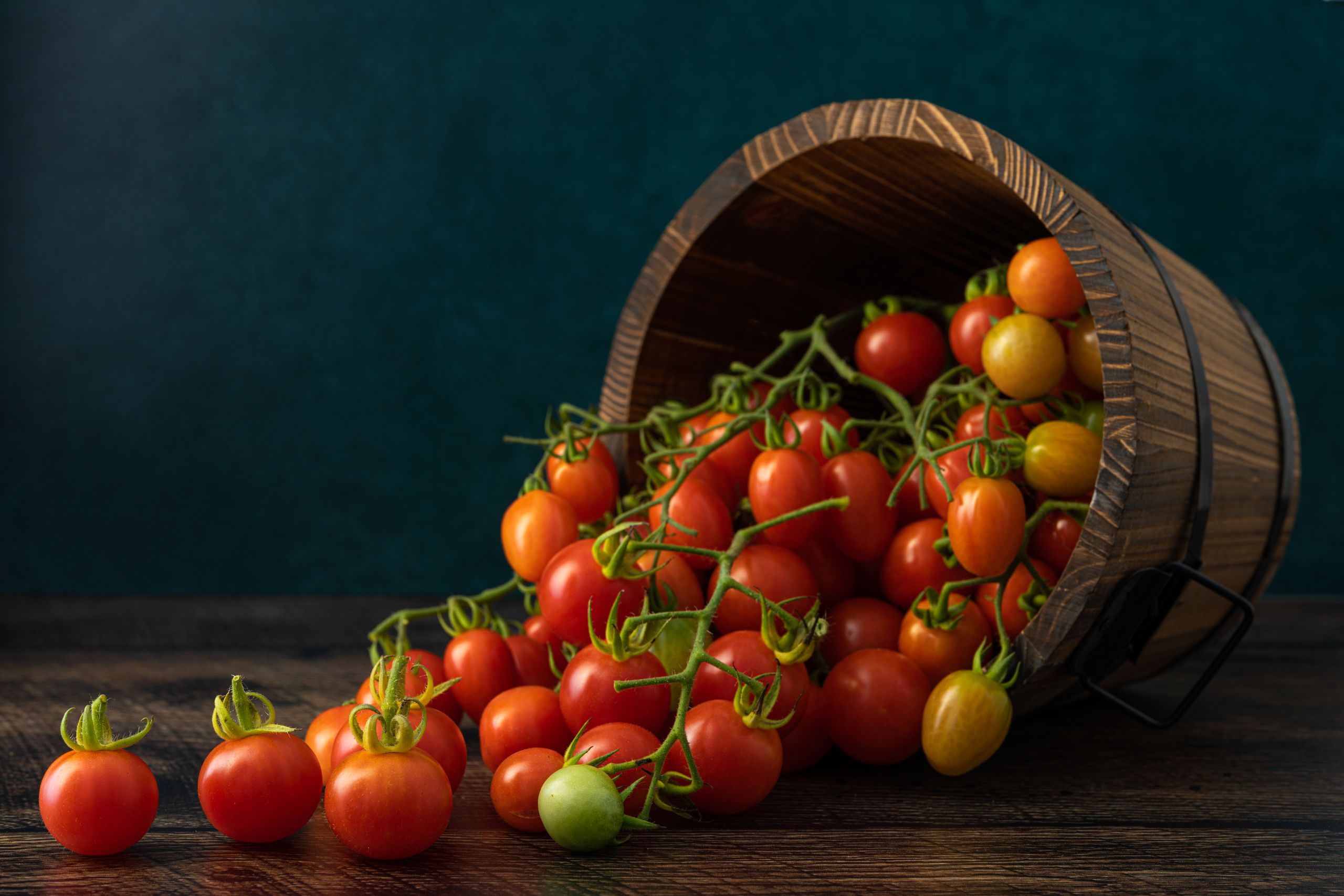
Nothing beats slicing into a ripe, juicy tomato for a sandwich or homemade salad. Unfortunately, refrigerating tomatoes too early can interfere with that delicious flavor. Research has shown that extended refrigeration can reduce the aromatic compounds responsible for tomatoes’ distinctive taste. That’s why a beautiful refrigerated tomato might taste surprisingly bland.
Instead of refrigerating firm tomatoes immediately, leave them on your kitchen counter in an open bowl or tray. Allow them to ripen naturally at room temperature. Once they’re fully ripe, you can refrigerate them briefly if you’re not ready to use them.
Remember: cut tomatoes should always go into the refrigerator. The goal isn’t to avoid refrigeration completely, but to use it at the right time.
Bananas Don’t Appreciate Refrigerator Temperatures
Ever noticed how quickly banana peels turn dark after you put them in the refrigerator? There’s a scientific explanation. Bananas are tropical fruits that are sensitive to cold temperatures. Refrigerating them before they’re ripe can interfere with normal ripening and affect their appearance.
The best approach is surprisingly simple. Leave your bananas in a fruit bowl on the counter until they turn yellow and reach your preferred ripeness. If you can’t eat them right away, refrigerating ripe bananas can extend their usability. Their peels may darken, but the fruit inside can remain perfectly good.
Have several bananas ripening at once? Peel and freeze the extras for smoothies, banana bread, or other recipes. It’s an easy way to avoid throwing away overripe fruit.
Peaches Can Turn Mealy When Chilled Too Soon
Few things are more disappointing than biting into a peach that looks delicious but tastes dry and mealy. Improper cold storage can contribute to that problem. Peaches are sensitive to certain refrigeration conditions, especially before reaching their ideal eating ripeness.
Extended chilling can sometimes cause internal changes that affect texture and flavor. For better results, leave firm peaches at room temperature until they soften and develop their characteristic aroma. Want to encourage ripening? Place them in a paper bag and check them regularly.
Once your peaches are ripe, refrigerate them if you need a few extra days before eating. Ripe peaches generally keep for approximately three to five days in the refrigerator, depending on their initial condition. The secret is to let them ripen before chilling.
Unripe Avocados Need Countertop Time

You’ve probably been frustrated by buying rock-hard avocados when you want to make guacamole. Putting them straight in the refrigerator won’t make them ready any faster. Avocados continue ripening after they’re harvested. Cold temperatures slow that process, making the refrigerator a poor first stop when your avocados are still firm.
Instead, keep whole, unripe avocados on the kitchen counter. Check them regularly by gently squeezing to see when they’ve softened. Once ripe, move them to the refrigerator to extend their usability for a few more days.
If you’ve already sliced an avocado, cover it and refrigerate it promptly. A little patience on the countertop can make the difference between an avocado that’s ready to enjoy and one that remains frustratingly firm.
Raw Potatoes Prefer a Cool, Dark Pantry
The refrigerator may seem like an obvious place to store potatoes, but it isn’t always the best choice. Cold temperatures can make potatoes taste sweeter by changing their natural sugars. Those changes may also affect how potatoes brown during frying or roasting.
For everyday storage, choose a cool, dark, well-ventilated location instead. A pantry shelf, ventilated basket, or suitable storage cupboard works well, as long as the area doesn’t get too warm. Avoid keeping potatoes in sealed plastic bags that trap moisture. Also protect them from direct sunlight.
Depending on the temperature and storage conditions, whole potatoes may remain usable for several weeks. However, peeled, cut, or cooked potatoes require different handling and should be refrigerated appropriately.
Sweet Potatoes Need Somewhere Cool, Not Cold
Sweet potatoes may look sturdy enough to survive almost any storage conditions, but refrigerator temperatures can damage their quality. These root vegetables are sensitive to chilling, especially when temperatures drop below about 55 degrees Fahrenheit. Prolonged exposure can cause darkened areas or other undesirable changes.
Instead, store whole sweet potatoes in a cool, dry, dark location with good ventilation. Ideally, keep the temperature around 55-60 degrees Fahrenheit. Under suitable conditions, sweet potatoes can last several weeks, sometimes up to two months. In an ordinary warm kitchen, however, their storage life may be much shorter.
Avoid keeping them beside your oven or in a cupboard that receives direct sunlight. Once cooked or cut, sweet potatoes should be refrigerated promptly.
Fresh Basil Belongs in a Glass of Water
Most fresh herbs like the refrigerator, but basil follows different rules. This fragrant herb is particularly sensitive to cold temperatures. Refrigeration can darken its delicate leaves, dull their gloss, and change their aroma.
Instead of stuffing fresh basil into your produce drawer, treat it like a bouquet of flowers. Trim the stems if needed and place the basil in a clean glass with a little water. Keep the leaves above the water and store the glass at room temperature.
Check the basil regularly and replace the water as needed. This simple method can help maintain its appearance and usefulness. However, prepared pesto, chopped basil mixed into perishable dishes, and other basil-based preparations must follow proper refrigeration guidelines.