

The post Why the Moon Looks Enormous Near the Horizon — Scientists Still Debate It first appeared on Crafting Your Home.
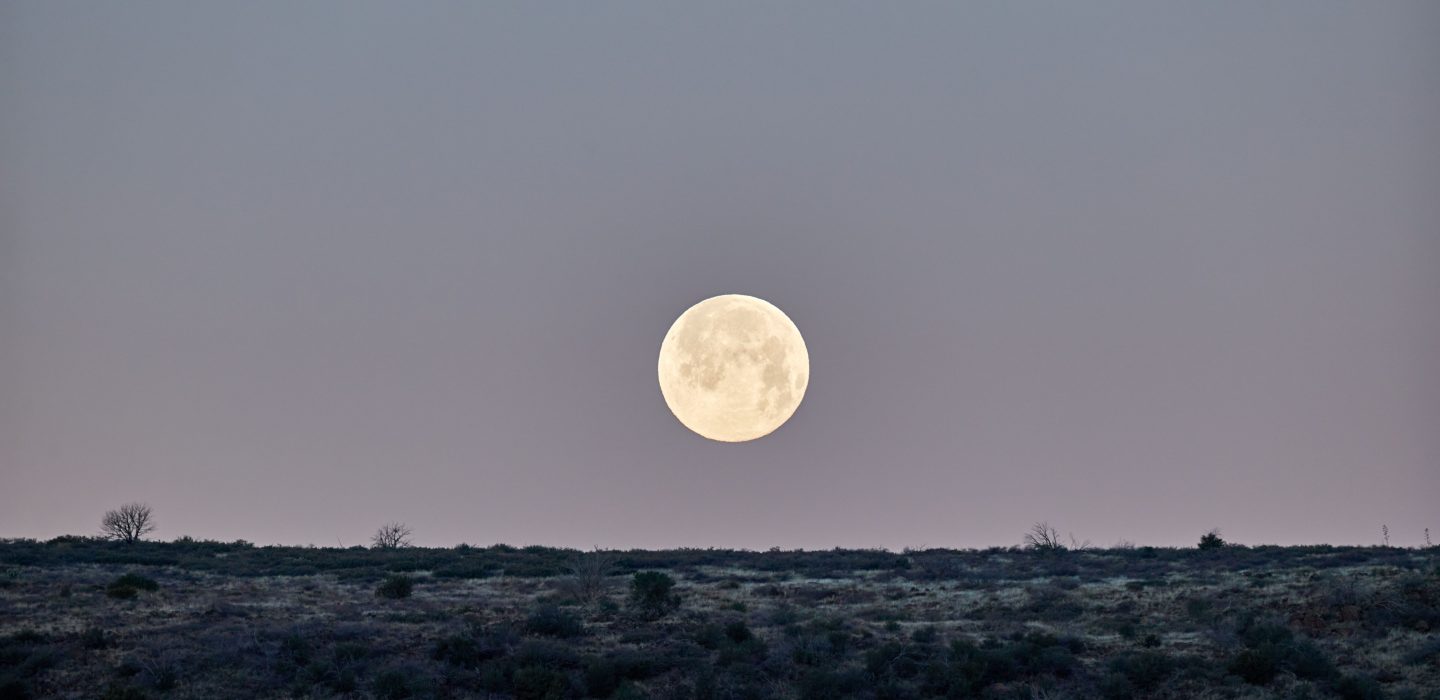
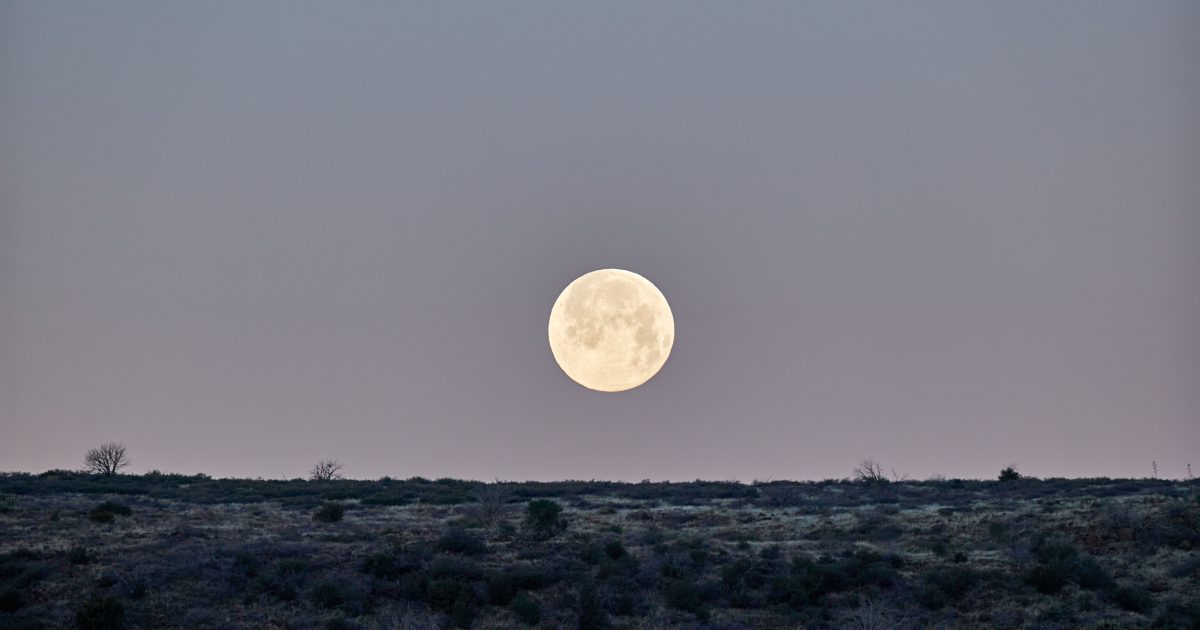
A full Moon rising above a mountain range, city skyline, or ocean horizon can appear breathtakingly large. For many people, a glowing Moon hovering just above the landscape creates the impression that it has moved closer to Earth or somehow grown.
But the Moon is not actually changing. The mysterious effect is known as the Moon illusion, one of the most famous examples of how human perception can transform what we see. Scientists agree that the Moon’s size remains almost constant throughout the night, but they continue to debate exactly why the human brain makes the horizon Moon appear so much larger than the Moon overhead.
The phenomenon has fascinated astronomers and psychologists for centuries because it reveals an important truth about vision: our eyes collect information, but our brains interpret that information using context, experience, and visual clues.
When the Moon is near the horizon, familiar objects such as buildings, trees, mountains, and distant landscapes surround it. These references give the brain clues about distance and scale. When the Moon is high in the sky, it appears against a mostly empty background, leaving the brain with fewer ways to judge its size.
The result is a powerful illusion. The Moon looks enormous, even though its actual size hasn’t changed.
The Moon’s Size Does Not Change Near the Horizon
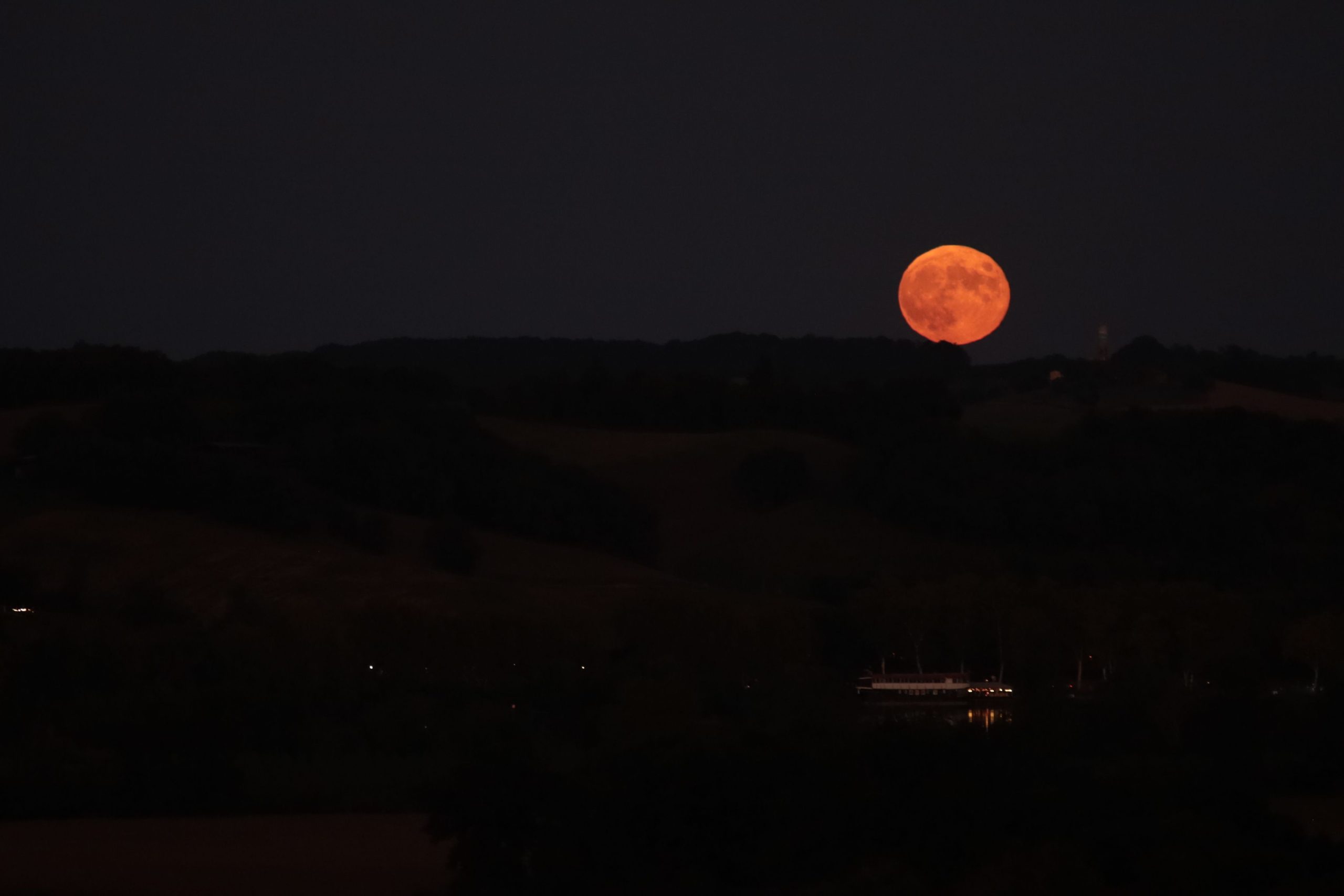
The first mystery to solve is whether the Moon itself becomes larger when it rises. The answer is no. The Moon’s physical diameter remains about 2,159 miles, and its apparent width in the sky stays almost the same throughout the night.
In fact, the geometry of the Earth-Moon system means the Moon is slightly farther from an observer when it is near the horizon than when it is overhead. The difference is small, but it works against the illusion. If anything, the horizon Moon should appear slightly smaller, not larger. This makes the Moon illusion even more fascinating because the brain creates an experience that contradicts physical reality.
Photography provides one of the simplest demonstrations. If a person takes a picture of the Moon near the horizon and another when it is higher in the sky using the same camera settings, the Moon will appear almost identical in size in both images. The dramatic difference exists mainly in how humans perceive it.
People often blame the atmosphere for the giant Moon effect, but that explanation is incorrect. When the Moon is close to the horizon, its light travels through more of Earth’s atmosphere. This can slightly bend the light and sometimes make the Moon appear flattened or distorted. However, the atmosphere does not magnify the Moon like a giant lens.
Many impressive photographs showing a huge Moon behind buildings or mountains can also be misleading. Professional photographers often use telephoto lenses that compress distance and make the Moon appear much larger compared with foreground objects. The image may look dramatic, but the Moon itself has not changed.
How the Human Brain Creates the Giant Moon Effect
Leading explanations for the Moon illusion focus on how the brain judges distance and size. Human vision is not simply a recording system. The brain constantly analyzes surroundings and uses visual clues to understand the world.
One major theory suggests the brain interprets the horizon Moon as farther away because it appears within a landscape filled with depth cues. Trees, buildings, mountains, and other objects create a sense of distance. When the brain believes an object is farther away but sees the same image size, it may interpret that object as larger.
This idea is known as size-distance scaling. It explains why the same object can appear different in size depending on how far away it seems. Another possible explanation is the Ponzo illusion, a well-known visual trick in which identical objects appear different in size because of surrounding perspective cues.
A classic example is railroad tracks. Two identical lines placed between tracks that appear to move into the distance can look different because the brain adjusts its perception based on the environment. The line that appears farther away often seems larger.
Scientists believe the Moon illusion may work similarly. The horizon creates a natural perspective scene, causing the brain to interpret the Moon as part of a distant landscape rather than an isolated object in the sky.
Research has shown that the surrounding terrain can influence how large the Moon appears. When people can see landscapes and objects near the horizon, the illusion often becomes stronger. However, scientists have not concluded that this explanation alone solves the entire mystery.
Why Scientists Still Debate the Moon Illusion
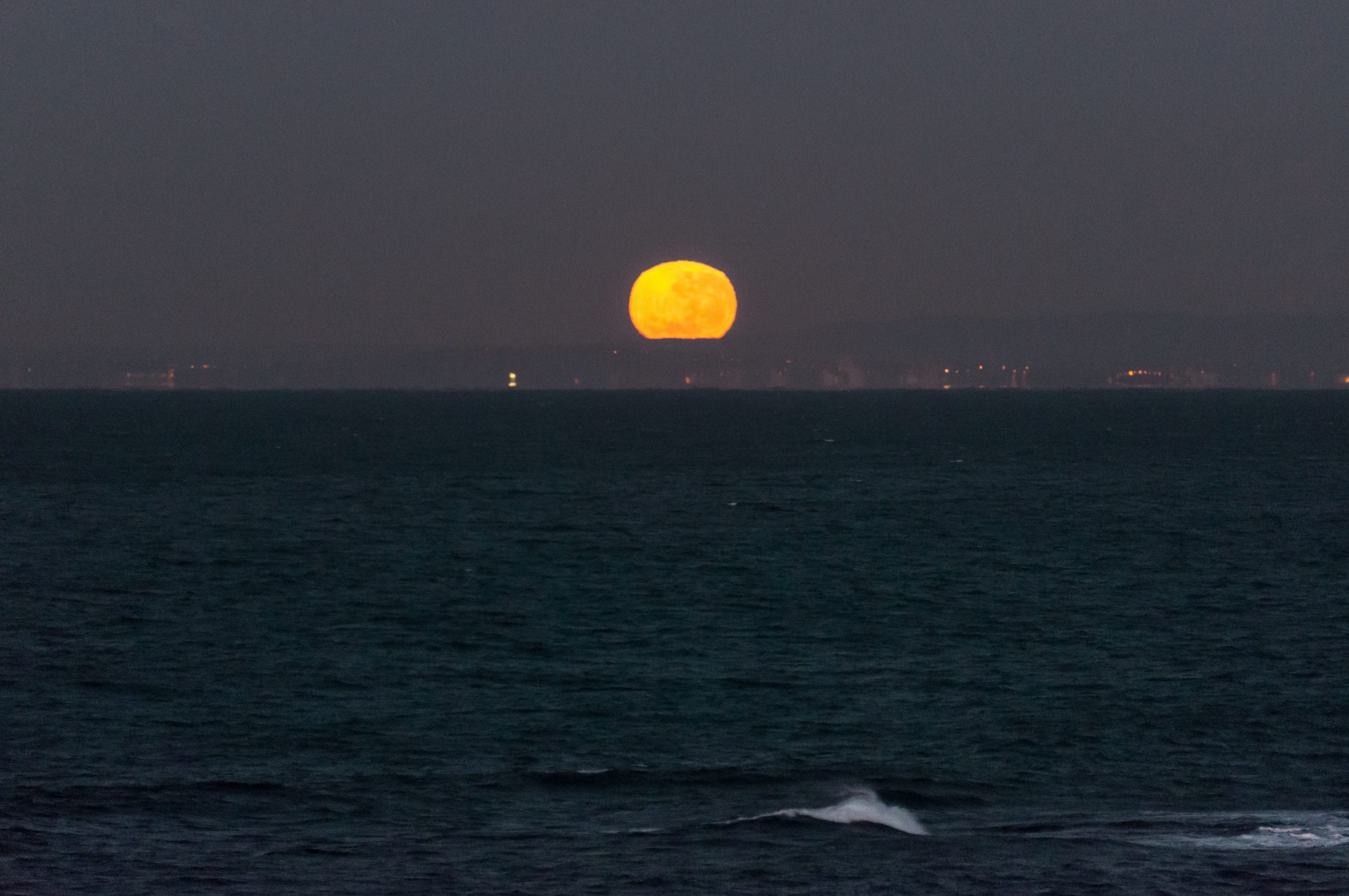
Despite centuries of observation and modern scientific research, no single explanation is universally accepted. Perception involves many complex processes happening at once. Researchers have proposed several theories to explain the illusion.
Some argue that the brain sees the horizon Moon as farther away and therefore interprets it as larger. Others believe the effect comes mainly from comparisons with nearby objects. Another explanation suggests that people perceive the sky differently depending on whether they are looking toward the horizon or directly overhead.
Some scientists also believe multiple factors work together. The brain may combine information from the landscape, the sky’s shape, viewing angle, and past experience to create the final impression. Experiments have provided evidence for different parts of these theories but have not produced a complete answer. Studies show that terrain and surrounding objects influence how people judge the Moon’s size, but researchers continue to investigate exactly how these signals interact inside the brain.
The debate continues because the Moon illusion is not just about astronomy; it is about the complicated relationship between the physical world and human perception. The same Moon can look ordinary one moment and enormous the next, even though nothing about the Moon itself has changed.
How to Experience and Test the Moon Illusion Yourself
Anyone can try a simple experiment the next time a full Moon rises. Hold a small object, such as a coin or your fingertip, at arm’s length and compare it with the Moon when it is near the horizon. Repeat the comparison later when the Moon is high in the sky. The Moon will cover nearly the same amount of space in your view.
Taking photographs is another effective test. Use the same camera, lens, and zoom settings to capture the Moon at different points in the sky. The images will show that the Moon’s size remains almost unchanged.
Another interesting experiment is to remove the landscape from your view. Looking at the Moon through a small tube or blocking nearby objects with your hands can reduce the illusion because the brain loses some of the depth clues that make the Moon appear larger.
The Moon illusion reminds us that seeing is not the same as simply recording reality. The brain actively builds our experience of the world by interpreting shapes, distances, and surroundings.
The Moon near the horizon is not growing larger, moving closer, or being magnified by the atmosphere. Instead, our own perception transforms an ordinary view of the night sky into one of nature’s most convincing visual mysteries. That is what makes the Moon illusion so fascinating: the mystery is not happening on the Moon itself, but inside the human mind.
Other Posts You May Like
- octobers-hunters-moon-rises-oct-26-where-the-name-comes-from-and-when-to-look
- a-supermoon-rises-just-before-thanksgiving-and-another-arrives-christmas-eve
If you like what you just read, then subscribe to our newsletter and follow us on social media.


