



This article was originally published on Crafting Your Home. A human contributor also wrote and edited the post.
You enter a new place, hear a conversation, or experience an ordinary moment—and suddenly it feels as if you have lived through it before. This strange sensation is called déjà vu, French for “already seen.”
Scientists generally view déjà vu as a brief memory-related illusion rather than evidence that a person has literally experienced the same event before. The feeling is real, but the brain’s memory and perception systems may produce the sense of recognition imperfectly.
Related:8 Signs Your Soul Has Lived a Past Life: Mysterious Clues That Suggest a Deeper Spiritual Connection
A Feeling of Familiarity Without a Clear Memory
Déjà vu is different from remembering a specific event. When you remember something, you can usually identify details about when or where it happened.
During déjà vu, a person often feels certain that a situation is familiar but cannot identify the original memory. This may happen when the brain generates a familiarity signal without retrieving a complete memory of the earlier experience.
Researchers have linked this process to brain regions involved in recognition and memory, including the medial temporal lobe, the hippocampus, and the perirhinal cortex.
The Brain May Detect a Memory Conflict
One scientific explanation is that déjà vu occurs when two memory signals do not match perfectly. One part of the brain may signal that a scene feels familiar, while another part recognizes that the current situation is new.
This creates a conflict: the person knows intellectually that they have not been in the exact situation before, yet the experience feels strangely familiar.
Researchers describe this as a possible conflict between familiarity and contextual novelty. The perirhinal cortex is associated with a sense of familiarity, while the hippocampus helps identify the context and details of memories.
Familiar Patterns May Trigger the Feeling
A new place may resemble an older place in subtle ways. The arrangement of rooms, lighting, sounds, furniture, or the position of people may overlap with something previously experienced.
The person may not consciously notice the similarities, but the brain may detect them. The result can be a strong feeling that the entire moment has happened before.
This explanation does not mean that every case of déjà vu comes from a specific hidden memory. It suggests that partial similarities may sometimes activate the brain’s familiarity system without producing a clear recollection.
Stress and Tiredness May Play a Role
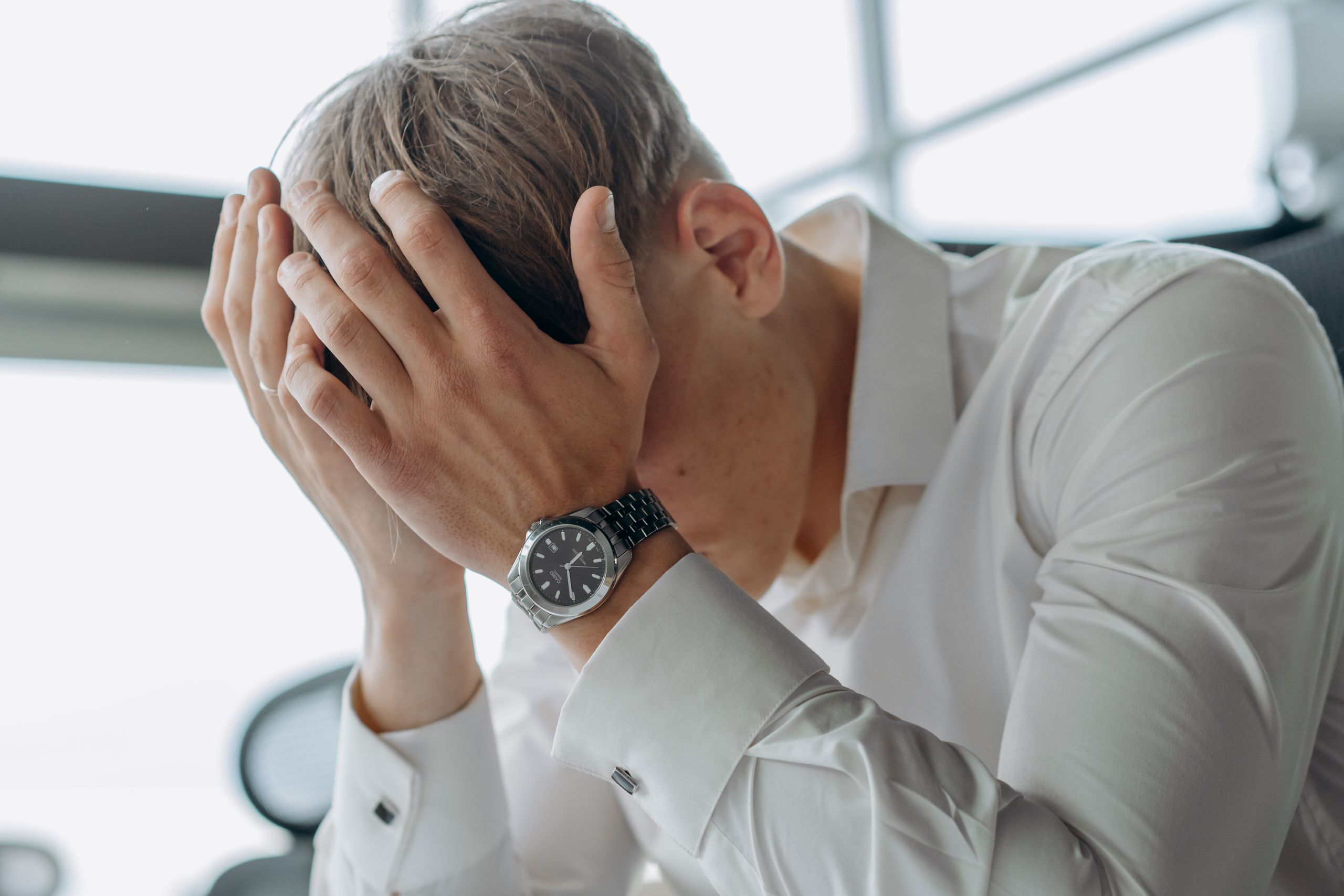
Déjà vu can happen to healthy people, but some individuals notice it more often when they are tired, stressed, or mentally overloaded.
Sleep deprivation can affect attention and memory processing. When the brain is not fully rested, the timing between perception, attention, and recognition may become less precise.
The Cleveland Clinic notes that fatigue, stress, migraines, and certain neurological conditions can be associated with déjà vu.
An occasional brief episode is usually not a cause for concern. The experience often lasts only a few seconds and disappears without any lasting effect.
Scientists Can Study Memory Errors
Researchers have used memory experiments and brain imaging to study déjà vu. The goal is not to recreate every detail of a person’s experience but to examine how familiarity, recognition and memory expectations interact.
Studies of déjà vu have considered whether the sensation is linked to a false memory, a delayed perception, an overlooked similarity, or a conflict between memory signals. Current reviews suggest that no single explanation accounts for every episode.
This is why scientists are careful about saying that déjà vu has one proven cause. It may arise through several related memory processes.
Déjà Vu Is Not the Same as a Premonition
The feeling can be so powerful that some people interpret it as proof that they have seen the future. Scientific evidence does not establish that déjà vu predicts future events.
The sensation is better understood as a moment when the brain misinterprets familiarity. Because the experience feels vivid and emotionally convincing, it can seem more mysterious than an ordinary memory error.
A strong feeling of certainty does not prove the event happened before.
The Opposite Experience: Jamais Vu
The opposite of déjà vu is called jamais vu, meaning “never seen.” In this experience, something familiar suddenly feels strange or completely new.
A person may look at a familiar word, room, or face and briefly feel disconnected from its usual meaning. Researchers have also linked jamais vu to disruptions in familiarity and recognition processes.
Both experiences show that recognition is not a simple yes-or-no system. The brain constantly evaluates whether something feels familiar, what details it connects to, and how certain that judgment should be.
When Déjà Vu May Need Medical Attention

Most occasional déjà vu is harmless. However, discuss frequent or unusually intense episodes with a healthcare professional, especially if they last longer than a few seconds or occur with other symptoms.
The Cleveland Clinic advises seeking medical attention when déjà vu is accompanied by loss of awareness, confusion, unusual smells or tastes, intense fear, headaches, or seizure-like symptoms.
Temporal-lobe seizures can sometimes produce a sudden feeling of déjà vu without dramatic shaking. This does not mean that every déjà vu episode is a seizure, but repeated episodes with other neurological symptoms deserve assessment.
A Glitch in a Powerful System
Déjà vu may feel like a mysterious message from the past, but scientists increasingly understand it as a brief interaction between perception, memory and familiarity.
The brain constantly predicts, compares, and classifies what we experience. Occasionally, a new moment receives a familiar label even though no complete memory exists.
That small error creates one of the most unusual sensations in everyday life: the feeling that the present has happened before.
Other post you might like:
- 10 Life Choices You Should Never Regret as You Grow Older
- If You’re Carrying These Regrets by 70, You’ve Lived a Disappointing Life
If you like what you just read, then subscribe to our newsletter and follow us on social media


