


The post October’s Hunter’s Moon Rises Oct. 26 — Where the Name Comes From and When to Look first appeared on Crafting Your Home.
The next full Moon will bring a familiar autumn sight, but the most eye-catching part may not be what it seems.
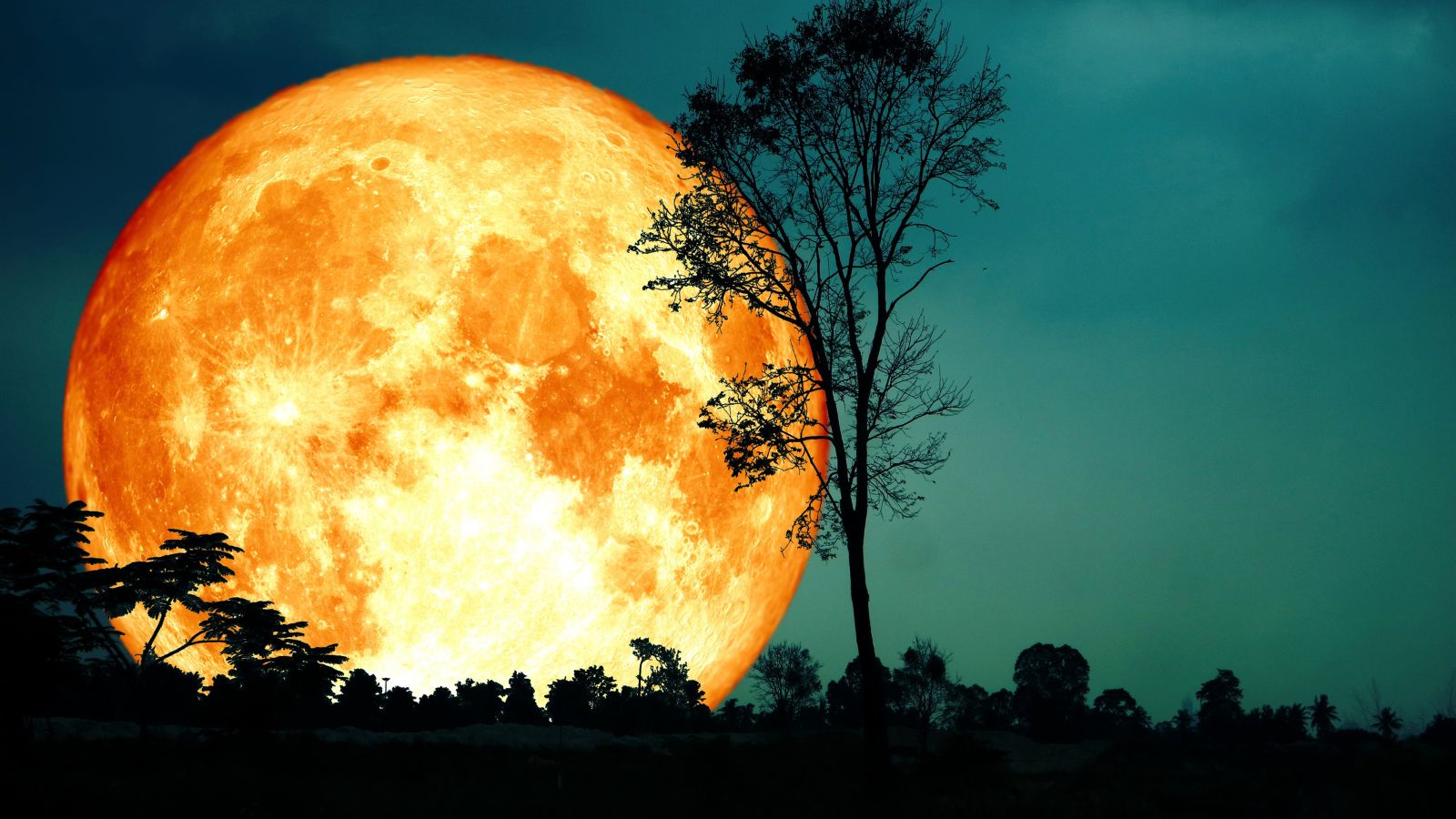
October’s full Moon, traditionally known as the Hunter’s Moon, reaches its exact peak at 12:12 a.m. EDT on Monday, Oct. 26, 2026, according to the U.S. Naval Observatory. But sky watchers do not need to wait until midnight to see it. The Moon will appear nearly full on the evenings around the peak, with the most dramatic views often coming as it rises near the eastern horizon.
For many viewers, the real surprise will come when the Moon appears unusually large and warm-colored near the horizon. The Moon is not actually growing bigger; the effect comes from how people perceive it in the sky.
Here are six things to know before looking up.
The Hunter’s Moon Peaks Just After Midnight in New York
The exact full Moon happens at one specific moment worldwide.
The U.S. Naval Observatory lists the October 2026 full Moon at 4:12 a.m. UTC on Monday, Oct. 26. In New York, that translates to 12:12 a.m. EDT on Oct. 26.
The timing changes depending on location. In parts of the United States west of the Eastern Time Zone, the precise full phase arrives late Sunday, Oct. 25.
However, the technical peak is not necessarily the best viewing moment.
The Moon will look nearly full on nearby evenings, meaning people can enjoy the sight after dusk on Sunday, Oct. 25, and again on Monday, Oct. 26, depending on weather and local moonrise conditions.
The Moon Can Look Much Bigger at the Horizon — But It Isn’t
One of the biggest reasons this Moon may catch attention is the way it appears when it first rises.
A full Moon near the horizon can look enormous compared with the same Moon high overhead. But the Moon itself has not changed size.
NASA explains that this is known as the Moon illusion. The Moon appears larger because of how the human brain interprets the horizon and familiar objects nearby, such as buildings, trees, and skylines. Photos show that the Moon’s disk has essentially the same width near the horizon as it does higher in the sky.
The atmosphere is not acting like a magnifying glass either. NASA notes that atmospheric refraction slightly compresses the low Moon rather than making it larger.
The Orange or Golden Color Is Also a Visual Effect
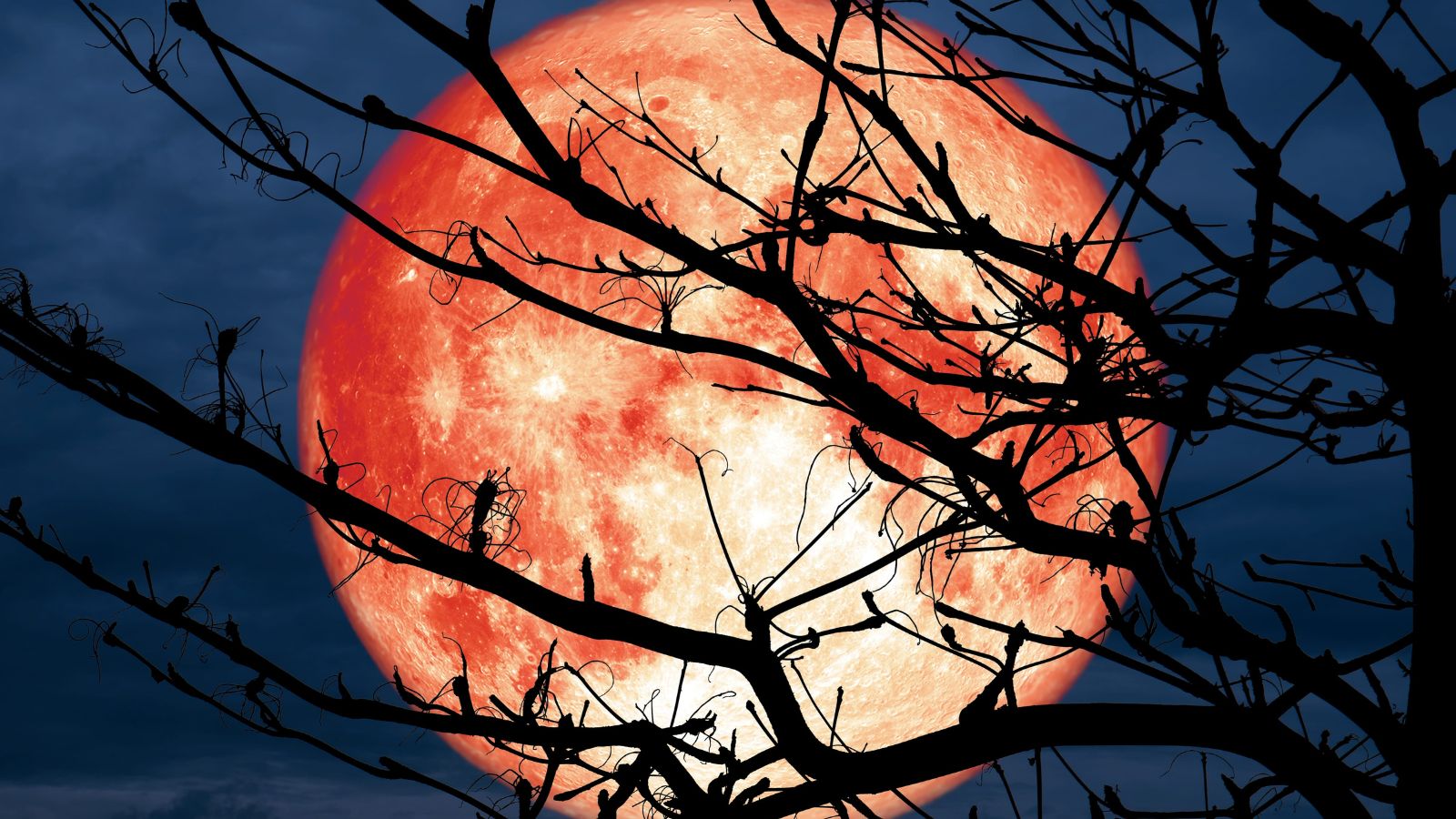
Many people notice that the Moon can appear warmer in color when it is close to the horizon.
That does not mean the Moon has changed. When moonlight travels through more of Earth’s atmosphere, more short blue wavelengths are scattered, which can make the Moon appear more yellow, orange, or reddish.
The same low position that creates the dramatic horizon view also helps create the familiar autumn Moon colors many people notice.
The “Hunter’s Moon” Name Comes From Seasonal Tradition
The name Hunter’s Moon is not a scientific category. It is a traditional name connected to seasonal folklore.
The Hunter’s Moon is the full Moon that follows the Harvest Moon. Because the September 2026 full Moon is the Harvest Moon, the following full Moon on Oct. 26 carries the traditional Hunter’s Moon name.
The name is generally linked to autumn hunting and preparing food before winter. Historical explanations connect the tradition with the period after harvest, when open fields provided less cover for game and bright moonlight could help with evening activities.
The name should not be treated as a universal term used by every culture. Full Moon naming traditions vary, and available references identify Hunter’s Moon as an Anglo-Saxon seasonal name while also documenting different names from other traditions.
The Best View Will Likely Come Around Moonrise
For the most striking view, readers should look toward the eastern horizon around their local moonrise time.
The exact moonrise time depends on location, terrain, and viewing conditions. The U.S. Naval Observatory provides location-based rise and set information for people who want a more precise time.
A clear horizon can make the view more memorable. Open areas such as parks, fields, waterfront locations, or other places without major obstructions may offer a better view.
No telescope is needed. The Moon will be visible with the unaided eye, and a phone camera may capture a more interesting image when the Moon is framed with familiar objects such as buildings, trees, or a skyline.
It Is Not a Supermoon or Blood Moon by Default
Some popular sky-watching coverage uses dramatic labels for full Moons, but those terms require care.
“Supermoon” does not have one universally accepted scientific cutoff, and no primary astronomical agency source in the available material designates the Oct. 26 event as a formal supermoon.
The Hunter’s Moon is also not a blood moon. A blood moon description refers to a lunar eclipse, and the U.S. Naval Observatory does not list a lunar eclipse for Oct. 26, 2026.
For anyone hoping to catch the event, the simplest plan is to check the local forecast, find a clear eastern view, and step outside around moonrise on the evenings near Oct. 26.
The Moon may look bigger than usual, but the science behind the spectacle is even more interesting: sometimes the biggest changes happen in how we see the sky, not in the sky itself.
Other Posts You Might Like
If you like what you just read, then subscribe to our newsletter and follow us on social media.

