

The post 9 Small Towns That Feel Frozen in the 1950s first appeared on Crafting Your Home.
A special kind of magic appears when a road trip leads away from crowded highways and into a small American downtown. A two-lane road curves toward a row of historic storefronts. A neon sign glows above a diner. A theater marquee promises an evening show. People stroll along sidewalks lined with local shops.
These towns are not literally unchanged since the 1950s. Residents live modern lives, businesses adapt to new challenges, and communities keep evolving. But they preserve pieces of a slower-paced America through historic buildings, classic downtowns, local traditions, and places where neighbors still gather.
For many travelers, that is what makes them special. The appeal is not simply stepping into the past. It is experiencing places where history remains part of everyday life.
Mount Airy, North Carolina
Mount Airy has become one of America’s best-known small towns for nostalgic travelers because of its connection to actor Andy Griffith and the fictional town of Mayberry from The Andy Griffith Show. With a population of about 10,600 in the 2020 census, Mount Airy is large enough to offer restaurants, museums, and shops while still maintaining a walkable downtown atmosphere.
The town’s Main Street embraces its connection to classic Americana. Visitors can explore Mayberry-themed stores, visit the Andy Griffith Museum, see vintage police car replicas, and stop at Snappy Lunch, a restaurant that opened in 1923 and became nationally recognized after appearing in connection with the television series.
What makes Mount Airy feel like a step into the past is not that it has stopped changing. Instead, it preserves the feeling of a friendly downtown where familiar businesses, sidewalks, and community traditions still matter.
The annual Mayberry Days festival in September brings even more nostalgia with music, comedy, and celebrations inspired by classic television. Outside the festival season, visitors can experience the town simply by slowing down and walking through its historic streets.
Galena, Illinois
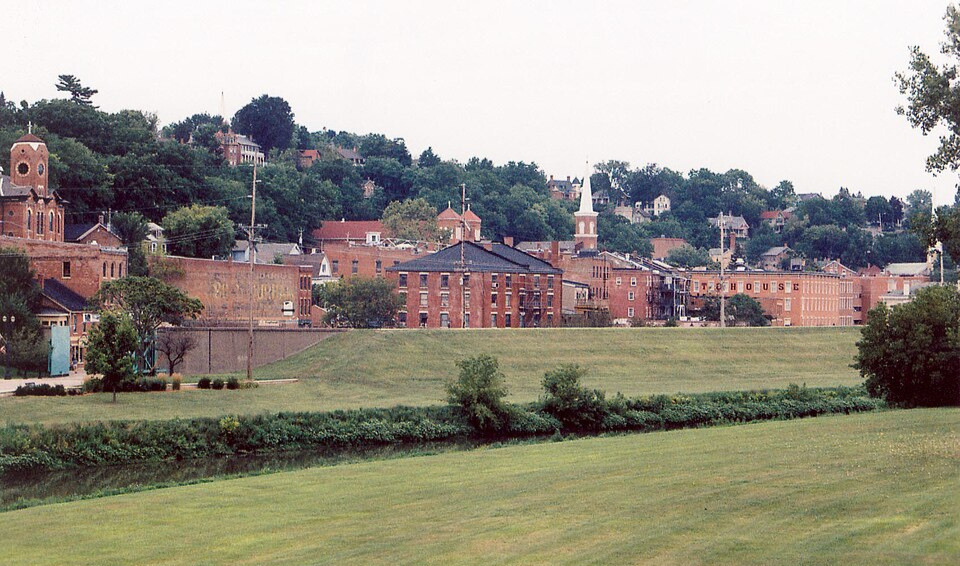
Galena’s nostalgic charm comes from preservation. The town is older than the 1950s, but its beautifully maintained downtown captures the walkable community many Americans associate with earlier decades.
Located in northwestern Illinois, Galena developed as a lead-mining and Mississippi River trading center and has preserved much of its historic commercial district. Today, the town has a population of about 3,300 and is known for its brick buildings, independent shops, restaurants, and historic streets.
A walk down Main Street reveals the type of locally owned businesses that once dominated American downtowns before shopping malls and large retail centers transformed the landscape. Visitors can browse boutiques, enjoy local food, and explore the town’s historic architecture.
Galena also connects to presidential history through the Ulysses S. Grant Home, adding another layer to its historic identity. Preserving the downtown district helps the town feel authentic rather than artificially recreated.
Wellsboro, Pennsylvania
Wellsboro offers one of the most recognizable examples of small-town nostalgia. Located in north-central Pennsylvania, the community is known for its gaslit streets, historic downtown, and connection to Pine Creek Gorge, often called Pennsylvania’s Grand Canyon.
With roughly 3,200 residents, Wellsboro has maintained a traditional downtown atmosphere with historic storefronts, mature trees, and old-fashioned street lighting. The town’s Arcadia Theatre adds to the feeling of continuity.
Seasonal events such as Dickens of a Christmas bring performers, music, decorated buildings, and holiday traditions that encourage visitors to slow down and enjoy the surroundings. Wellsboro’s charm comes from the details: walking beneath gaslights, browsing local stores, and experiencing a downtown designed for people, not traffic.
Silverton, Oregon
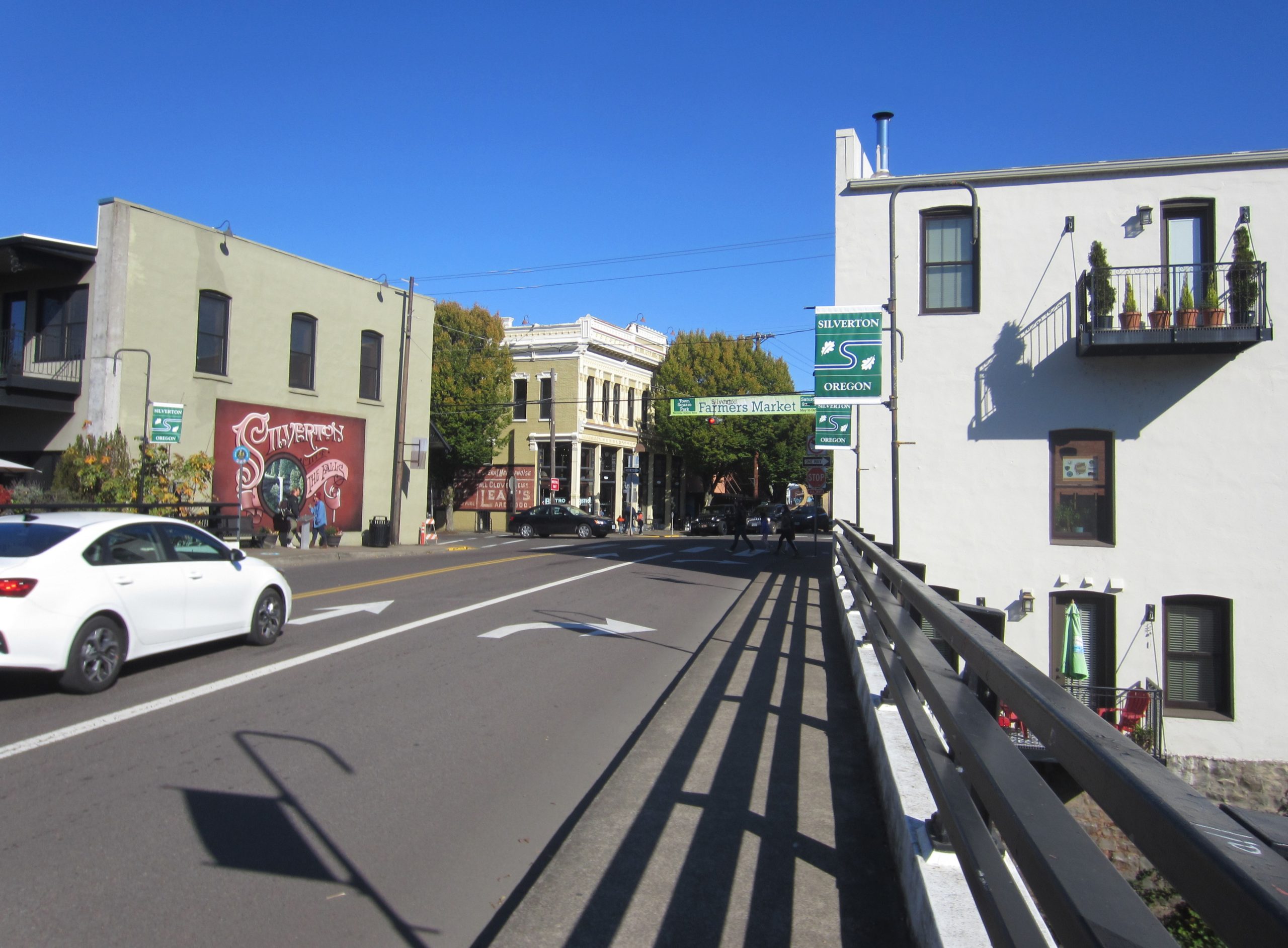
Silverton combines agricultural roots with a lively historic downtown. Near Salem, the town has about 10,000 residents but keeps the scale and character of a smaller community. Its downtown features independent businesses, murals, cafes, and historic buildings.
The restored Palace Theatre remains a centerpiece of community life. Silverton’s nostalgic appeal comes as much from its traditions as from its architecture. Local festivals, parades, and community gatherings reflect the type of social connection often associated with mid-century America.
McCloud, California
At the base of Mount Shasta, McCloud preserves the atmosphere of a historic company town. Built around the lumber industry, the community grew up with workers’ homes, commercial buildings, and public spaces that remain part of its identity today.
With only a few hundred permanent residents, McCloud maintains the close-knit feeling of a place where local businesses still serve as gathering points. The historic downtown includes preserved buildings such as the McCloud Hotel, which dates back to 1916. Its restored interiors and heritage character attract visitors looking for a slower, more traditional travel experience.
Rather than recreating the 1950s, McCloud preserves the small-town environment common during that period: a local commercial district, community connections, and a strong relationship with the surrounding landscape.
Madison, Georgia
Madison’s charm comes from its historic architecture and carefully preserved downtown. Located east of Atlanta, the town has around 4,400 residents and is known for one of Georgia’s largest collections of historic buildings.
The community developed as a cotton-trading center and later grew as a railroad-connected town. Today, its historic district includes beautiful homes, shops, cafes, and a traditional courthouse-square atmosphere.
For visitors seeking a nostalgic experience, Madison offers something many modern communities have lost: a downtown designed for walking, conversation, and locally owned businesses. Its preserved streets and welcoming atmosphere create the feeling of a town where older traditions remain part of daily life.
Franklin, Tennessee
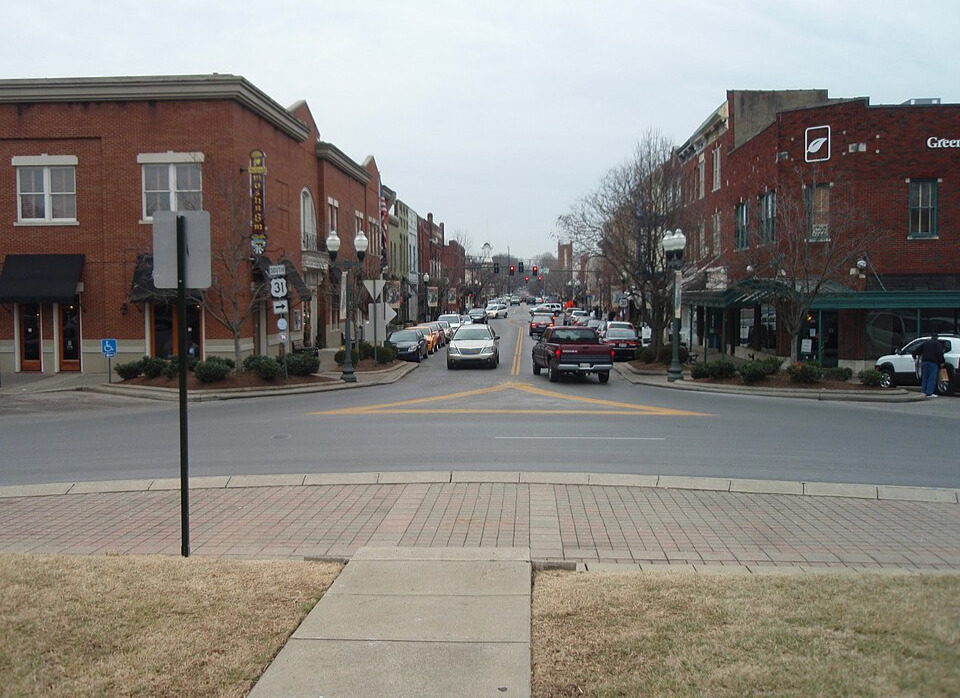
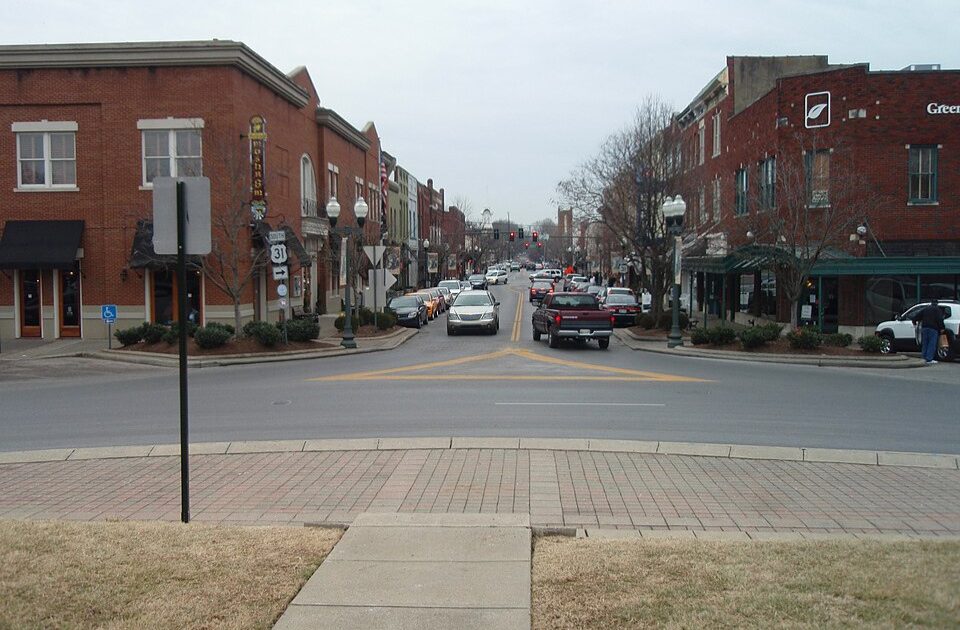
Franklin is larger than many towns on this list, but its historic downtown still feels like a classic American community. While the city had more than 83,000 residents in the 2020 census, its Main Street district still offers an intimate small-town experience.
The town’s brick storefronts, restaurants, antique shops, and community events reflect downtown America before suburban shopping centers changed how people gathered. A major attraction is the Franklin Theatre.
Originally opened in 1937, the restored Art Deco theater now hosts movies, concerts, and community events beneath its glowing marquee. Walking through Franklin at night, especially when the theater lights shine, creates a feeling that blends history with the excitement of a classic evening out.
Eureka Springs, Arkansas
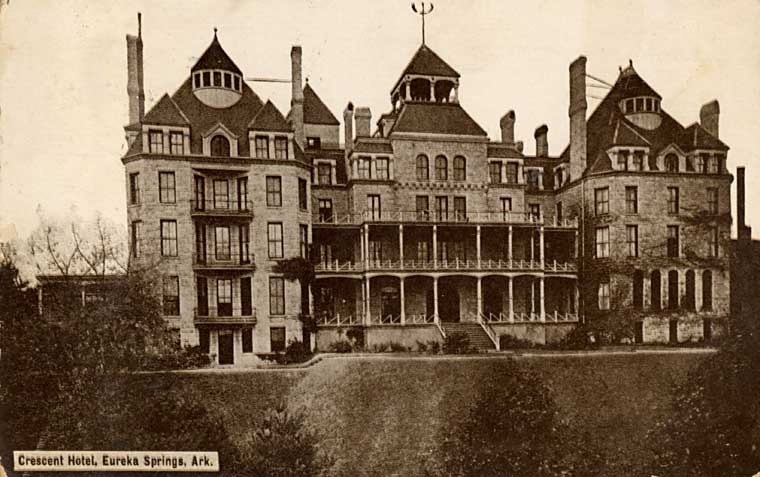
Eureka Springs is not a traditional 1950s town. Its history stretches back much further, with Victorian buildings, winding streets, and a past connected to mineral springs. Yet it captures the spirit of the classic American road trip era through its historic hotels, roadside attractions, and independent businesses.
With a population of around 2,100, the town became famous in the late 19th century as a health resort. Today, visitors explore its hillside streets, historic buildings, art shops, and attractions.
The strongest connection to mid-century nostalgia appears along the surrounding roads, where vintage-style lodges, neon signs, and roadside attractions recall the era when families traveled by car to explore scenic destinations. Eureka Springs feels less like a museum and more like a place where older traditions continue alongside modern tourism.
Lewisburg, West Virginia
Lewisburg offers a quieter form of nostalgia. Located in the Greenbrier Valley, the town has about 3,800 residents and features independent shops, restaurants, galleries, and historic buildings.
Its downtown has survived because residents recognized the importance of preserving its historic character. Community institutions such as Carnegie Hall help maintain Lewisburg’s cultural identity. The town’s connection to the past is found in everyday experiences: browsing local stores, attending performances, enjoying a meal downtown, and seeing familiar faces.
Why These Towns Still Capture America’s Imagination
The appeal of 1950s nostalgia isn’t about returning completely to another era. Instead, travelers are drawn to qualities that feel increasingly rare: walkable streets, independent businesses, historic theaters, community celebrations, and public spaces designed for gathering.
These towns remain vibrant because residents keep investing in them. Preservation groups protect historic buildings, business owners keep downtowns active, and communities find ways to honor the past while adapting to the present. The result is not a frozen moment in history.
It is something more meaningful: a living connection between past and present. A visit to these towns offers more than a nostalgic photograph. It reminds us that history survives when communities keep using it, celebrating it, and making it part of everyday life.
Other Posts You May Like
- 9-american-towns-that-go-all-out-for-halloween
- what-a-small-town-festival-can-teach-us-about-keeping-family-traditions-alive
- streets-parks-and-parking-lots-are-becoming-americas-new-town-squares-and-communities-are-leading-the-charge
If you like what you just read, then subscribe to our newsletter and follow us on social media.


