You may own the house, but that doesn’t mean you can evict every animal that moves in. A nest above your front door or a burrow beside your flower bed can come with an unexpected catch: legal protections that limit what you’re allowed to do.
The rules vary by species and location, so removal isn’t always as simple as setting a trap or clearing away a nest. Here are 10 animals worth knowing about before you try to reclaim your space.
Non-Venomous Snakes
Though many people find non-venomous snakes unsettling, these reptiles are vital for maintaining the balance of your garden’s ecosystem. Species like the garter snake and milk snake are often protected under state or federal regulations, particularly in areas where they are endangered. These snakes help control pests such as rodents and slugs, making them valuable contributors to a healthy garden. Before considering removal, always check local wildlife regulations to ensure you’re not harming a protected species.
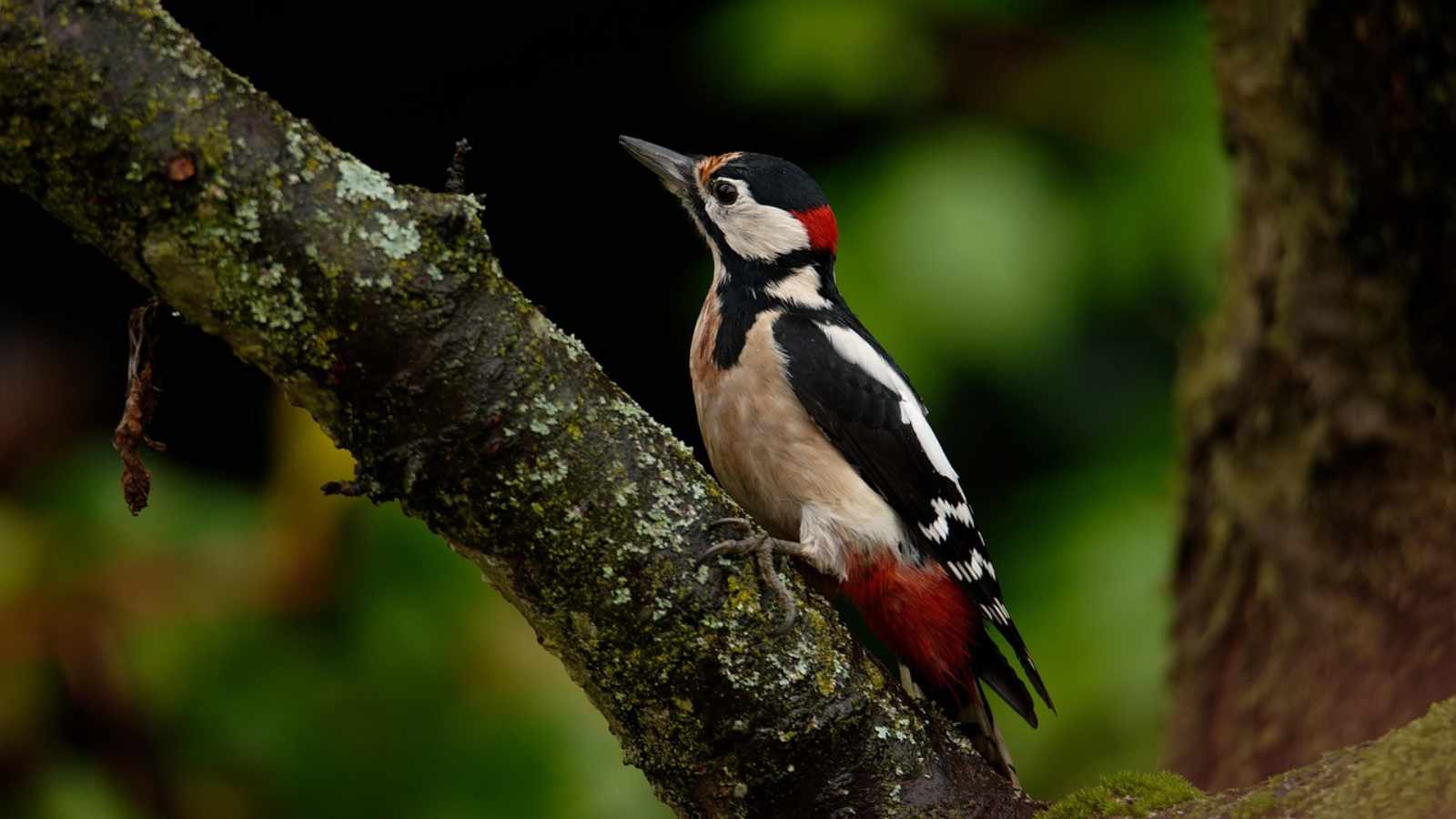
Woodpeckers are known for their unique tree-tapping behavior, which can sometimes lead them to your home’s exterior. However, under the Migratory Bird Treaty Act (MBTA), woodpeckers are protected. These industrious birds play a crucial ecological role by controlling populations of tree-boring insects, helping ensure the health of your trees. Disturbing them or their nests is illegal, and doing so may lead to hefty fines or other legal consequences.
Gopher Tortoises
A gopher tortoise may look easy to pick up and move, but in Florida, both the animal and its burrow are protected by state law. Relocating one requires a permit from the Florida Fish and Wildlife Conservation Commission. Its burrow also shelters other wildlife, so filling the hole can affect far more than the tortoise you spotted.
Frogs and Toads
Frogs and toads are integral to the health of your garden. They control insect populations and serve as an important food source for other animals in the food chain. Many species are now protected due to declining populations, particularly in areas where habitat loss and pollution have taken a toll. In some regions, it is illegal to catch or remove them, as they are considered vital indicators of environmental health.
The Bald Eagle and Golden Eagle are two of the most iconic birds in North America. Protected under the Bald and Golden Eagle Protection Act and the Migratory Bird Treaty Act, it is illegal to harm, capture, or disturb these majestic birds, including their nests or eggs. These laws ensure that these birds of prey continue to thrive in the wild and are preserved for future generations.
California Tiger Salamanders
These spotted amphibians spend much of their lives underground, emerging on rainy nights to reach breeding ponds. Finding one in your garden doesn’t make it yours to relocate. California tiger salamanders are federally protected, and capturing or handling them generally requires authorization. Contact wildlife officials before attempting to move one.
Hummingbirds
Hummingbirds are small, delicate creatures that add vibrant energy to any garden. These birds are protected under the Migratory Bird Treaty Act, and it is illegal to disturb their nests or attempt to capture them. These fascinating birds are also incredibly important for pollination, contributing to the health of many flowering plants. Enjoy them from a distance, but be sure to leave their nests undisturbed.
Owls
All native owl species are protected under the Migratory Bird Treaty Act. Owls are vital to controlling populations of small rodents and other pests in your garden. If an owl decides to make your property its home, it’s a sign of a balanced ecosystem. It is illegal to disturb an owl’s nest or remove an owl from its roost, as they are protected by law and are considered a valuable part of natural pest control.
Migratory Birds
Migratory birds, including robins and sparrows, have long been protected under the Migratory Bird Treaty Act of 1918. With over 1,000 species covered by this act, it’s crucial to recognize the importance of these birds in our ecosystems. Migratory birds not only help control insect populations but also contribute to pollination. Disturbing their nests, eggs, or feathers is illegal because it can threaten their already declining populations.
Bats
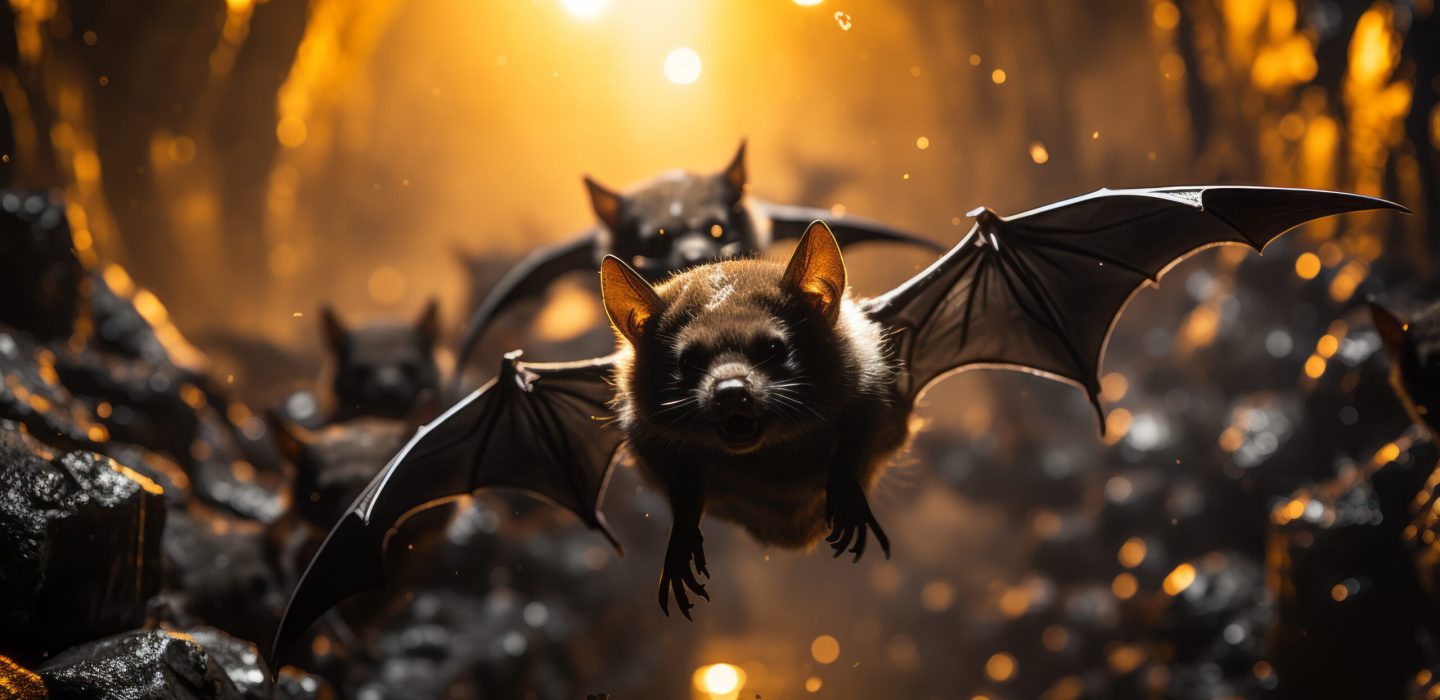
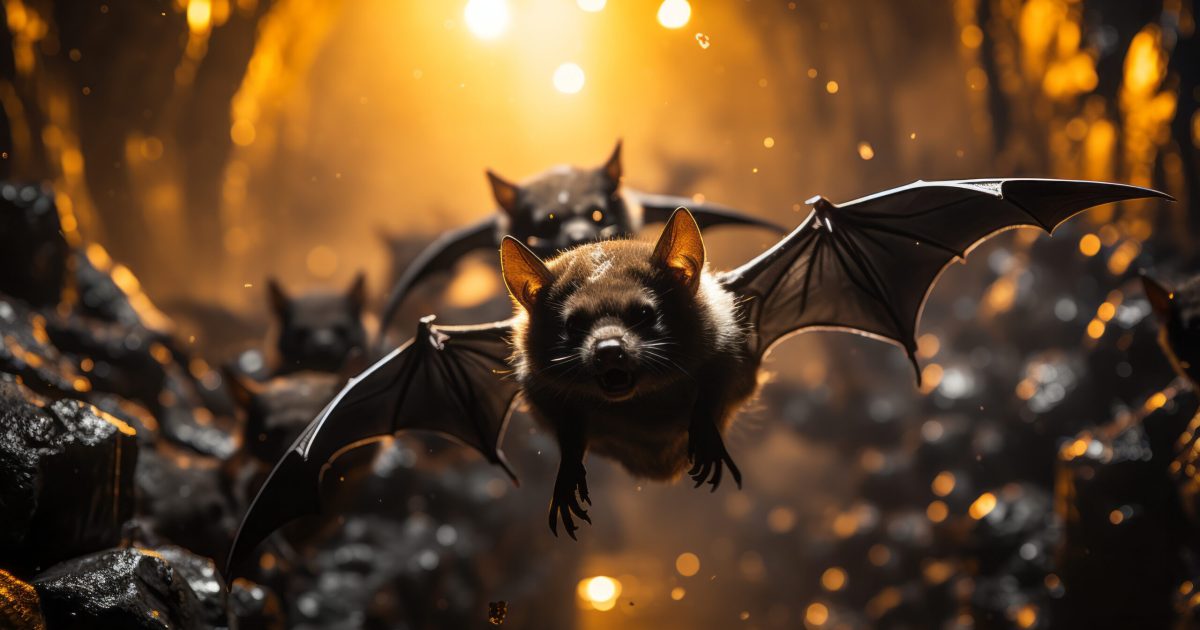
A cacophony of wild animal spirits erupts in the sky as a flock of majestic bats take flight in the evening air
Bats are important to pest control in gardens, as they consume vast numbers of insects, including mosquitoes and beetles. Many bat species are protected due to declining populations. Removing a bat colony, particularly a maternity colony, can have significant environmental impacts and can lead to legal consequences. In many places, disturbing a bat roost or removing bats without the proper permits is illegal.
Oluwaseyi Ojo is a Canadian entrepreneur, writer, and publisher based in Richmond, Texas, in the United States. He has explored countries across Europe, East Africa, and Asia, bringing those experiences into the stories he writes for Crafting Your Home.
Olu is in his sixth year of writing, creating, and publishing content. His work has appeared on MSN, Yahoo US, AOL, Business Insider, and NewsBreak. He holds a Doctor of Veterinary Medicine degree and a second degree in Applied Accounting from Oxford Brookes University in the UK. He is also a Fellow of the Association of Chartered Certified Accountants (FCCA) and a Chartered Professional Accountant (CPA) in North America. Outside of publishing and his business ventures, he enjoys trading stocks, commodities, and cryptocurrencies.