

The post 9 Dog Breeds Known for Surprisingly Cat-Like Habits first appeared on Crafting Your Home.
Dogs are often described as loyal, social, and eager to please, while cats are usually associated with independence, curiosity, and a more selective approach to affection. But some dog breeds blur those lines in surprising ways. Certain dogs have personalities and habits that many owners describe as “cat-like,” from quietly observing their surroundings to grooming themselves, climbing onto high places, and choosing when they want attention.
Of course, these dogs are not cats in disguise. The term “cat-like dog” simply describes certain behaviors and personality traits that remind people of feline companions. These traits can include independence, cleanliness, reserved behavior with strangers, athletic climbing abilities, and a tendency to enjoy their own space. Every dog is still an individual, and personality can vary widely even within the same breed.
Some breeds naturally show more of these traits because of their history and the jobs they were bred to do. Hunting breeds, ancient companion dogs, and independent working breeds often developed confidence, awareness, and self-directed personalities that people sometimes compare to cats.
Japanese Chin
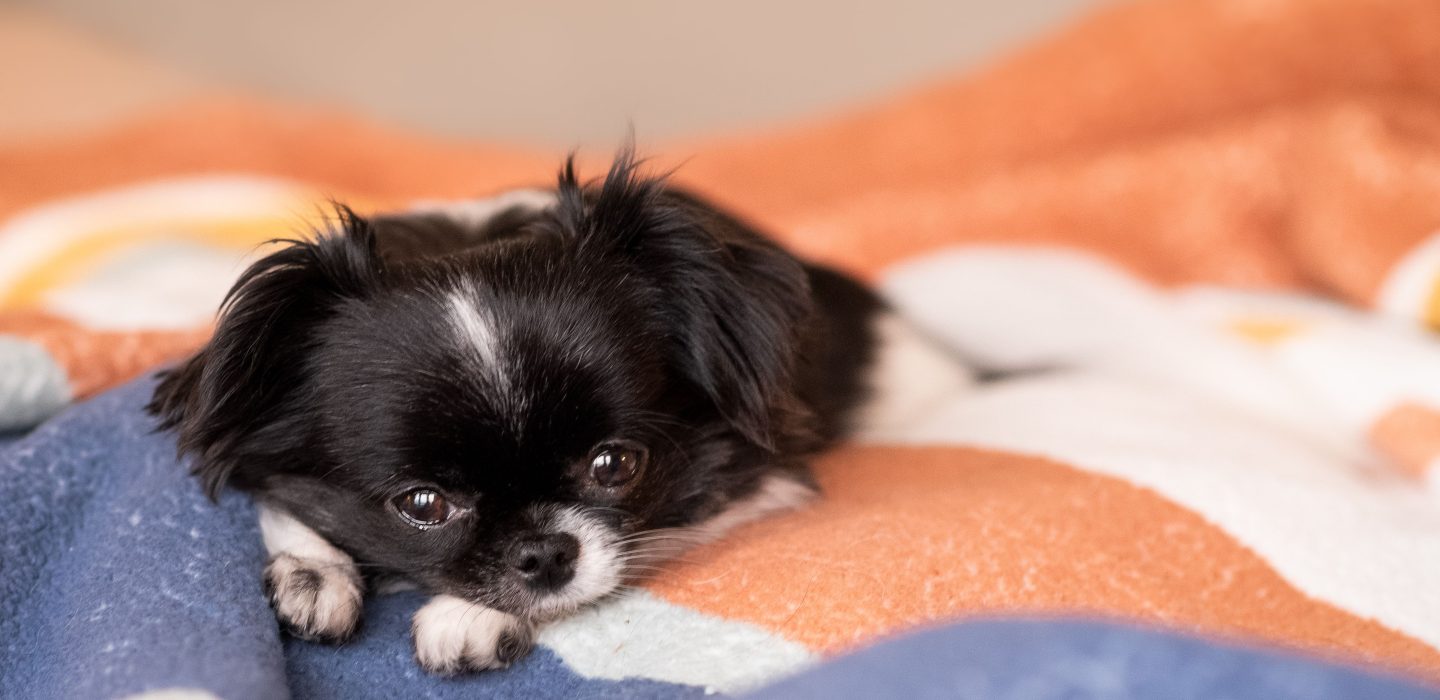
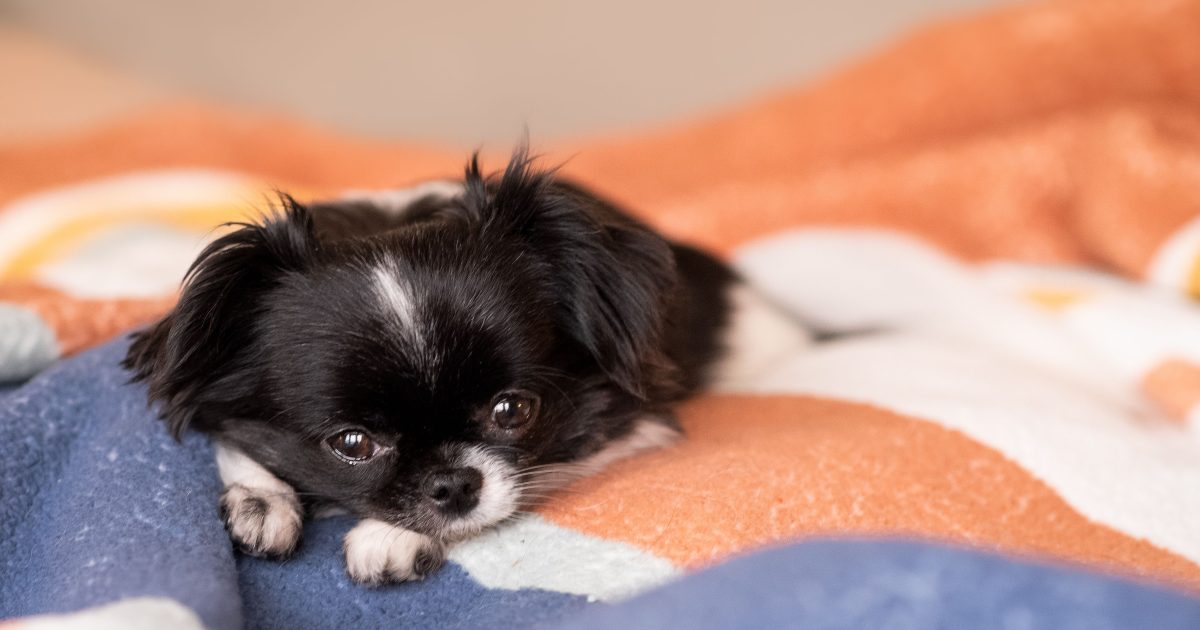
The Japanese Chin is one of the dog breeds most often associated with cat-like behavior. This tiny companion breed is known for its graceful movements, quiet nature, and almost royal attitude. Many Japanese Chin owners notice that these dogs enjoy sitting in elevated places, such as the back of a sofa or the top of a chair, much like a cat choosing the perfect lookout spot.
The breed is also known for its neat habits. Japanese Chins may lick their paws and wipe their faces in a grooming style that reminds many people of feline behavior. Their elegant appearance and calm personality stem from their history as treasured companion dogs in Asian imperial courts.
Despite their sophisticated appearance, Japanese Chins are playful and affectionate with their families. They can be sensitive and may take time to warm up to unfamiliar people. Their independence, quietness, and careful self-presentation give them a reputation as one of the most cat-like dog breeds.
Basenji

The Basenji is another breed frequently compared to cats because of its cleanliness and independent personality. Often called the “barkless dog,” the Basenji does not communicate with a traditional bark. Instead, it produces unique sounds such as yodels, chortles, and other vocalizations.
Originally developed as a hunting dog in Central Africa, the Basenji is intelligent, athletic, and highly alert. The breed is famous for grooming itself, and many owners describe its habits as similar to cats.
However, the Basenji’s quiet nature does not mean it is a low-energy pet. These dogs are curious, energetic, and sometimes make their own decisions. Their intelligence and independent streak can make training challenging, but experienced owners often appreciate their unusual personality.
Shiba Inu
The Shiba Inu has become one of the most recognizable “cat-like” dog breeds because of its personality. This small Japanese hunting dog is known for being clean, confident, agile, and somewhat independent.
Unlike breeds that constantly seek attention, Shibas often prefer affection on their own terms. They can be deeply attached to their families while still maintaining personal space. Their alert expressions and graceful movements add to their reputation for being feline.
The Shiba Inu’s independent personality comes from its history as a hunting breed. Developed to work in challenging environments, Shibas needed confidence, awareness, and the ability to make decisions without constant direction from humans. For owners who appreciate a dog with a strong personality rather than a constant desire to please, the Shiba Inu can be an appealing choice.
Chow Chow

With its fluffy coat, serious expression, and independent nature, the Chow Chow has long been compared to a cat. The breed is known for being dignified, reserved, and selective about who receives its affection.
Unlike highly social breeds that happily greet everyone, Chow Chows often form strong bonds with their families while remaining cautious around strangers. Their calm, self-contained personality can feel similar to a cat’s approach to relationships.
The Chow Chow’s history as an ancient Chinese breed helped shape its independent temperament. These dogs were valued for multiple roles, including guarding and companionship, which contributed to their confidence and strong sense of identity. While they can be affectionate, Chow Chows usually prefer respectful interactions rather than constant attention.
Afghan Hound
The Afghan Hound combines beauty, independence, and athletic ability. With its flowing coat and graceful appearance, it often looks like a dog designed for royalty. However, behind that elegant appearance is an ancient hunting breed with a strong personality.
Afghan Hounds are affectionate with their families but are not always overly eager to please. They often decide when they want attention, which is one reason people compare them to cats. Their history as sighthounds developed their independence and sensitivity.
Breeders bred them to use their vision and speed while hunting, which required confidence and self-direction. Although they appear calm and refined, Afghan Hounds require regular grooming, exercise, and patient training.
Saluki and Sloughi
The Saluki and Sloughi share many characteristics that people associate with cats. Both are ancient sighthounds known for their elegance, independence, and reserved personalities.
Salukis are gentle, sensitive, and loyal, but they often express affection quietly rather than through constant attention-seeking behavior. Their graceful appearance and calm presence give them a distinctly feline quality.
The Sloughi, sometimes called the Arabian Greyhound, is similarly calm indoors while remaining athletic outdoors. These dogs form strong bonds with their owners but may be cautious around unfamiliar people. Their independent nature comes from their history as hunting dogs that relied on speed, sight, and confidence.
Greyhound
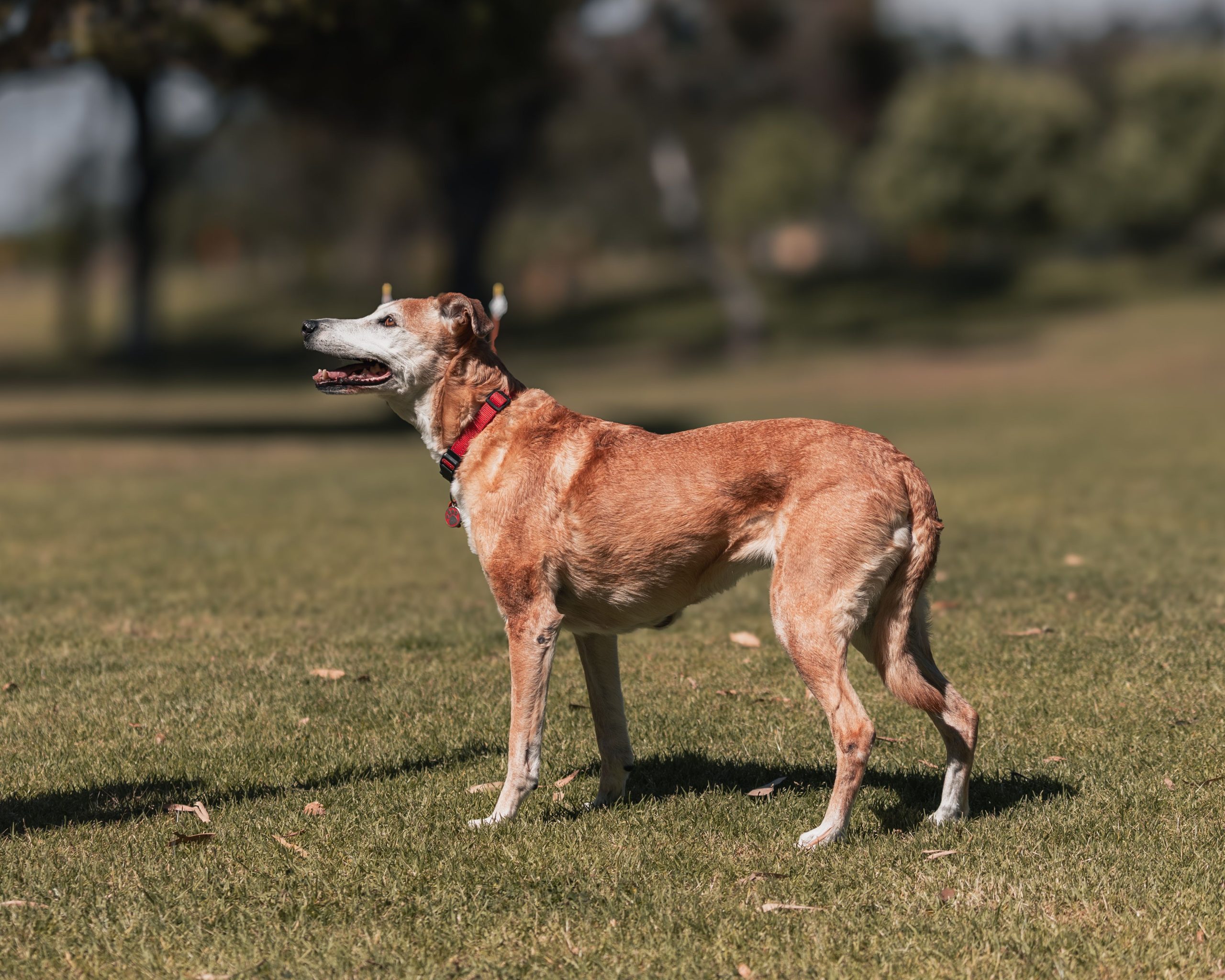
Greyhounds are often misunderstood because many people associate them only with racing. In reality, these dogs are often gentle, quiet, and surprisingly relaxed at home.
Their cat-like qualities come from their calm indoor personality. Many Greyhounds enjoy stretching out on comfortable furniture and resting peacefully for long periods. Their graceful movements and quiet nature also contribute to their feline reputation.
Despite their relaxed home behavior, Greyhounds remain athletic dogs with strong instincts to chase moving objects. They need secure outdoor spaces and careful handling when outside. For owners seeking a large but peaceful companion, the Greyhound can be a surprising choice.
Ibizan Hound
The Ibizan Hound stands out for its incredible athletic ability. Developed to hunt rabbits, this breed is known for speed, agility, and impressive jumping skills. Its ability to clear tall obstacles can remind people of cats effortlessly climbing or leaping onto high surfaces.
Beyond its physical abilities, the Ibizan Hound is curious, playful, and intelligent. Its tall ears, sleek body, and alert personality add to its unusual appearance.
However, its jumping ability means owners need secure fencing and careful management. This isn’t simply a cute trick; it reflects the breed’s athletic heritage.
Why Some Dogs Behave More Like Cats
These breeds seem cat-like, but they don’t share feline traits biologically. Instead, selective breeding shaped their behaviors. Sighthounds such as Greyhounds, Afghan Hounds, Salukis, Sloughis, and Ibizan Hounds were bred for hunting, relying on speed and vision. Their independence and quiet observation helped them succeed.
Ancient breeds like the Basenji and Shiba Inu developed strong instincts, awareness, and self-directed personalities. Companion breeds like the Japanese Chin were bred for indoor life and close relationships with humans, not intense working roles.
The biggest misconception is that a cat-like dog will automatically be easy to own. Many of these breeds still require exercise, training, grooming, and proper socialization.
For people who love both cats and dogs, these breeds offer an interesting combination: the loyalty and companionship of a dog with some of the independence, curiosity, and mystery often associated with cats.
Other Posts You May Like
- 10-cutest-small-dog-breeds-that-will-steal-your-heart
- most-intelligent-dog-breeds-you-should-know-about
- 10-cutest-mixed-dog-breeds-youll-absolutely-love
If you like what you just read, then subscribe to our newsletter and follow us on social media.


