

The post 8 Animals That Are Illegal to Keep as Pets in Many States first appeared on Crafting Your Home.
“Dogs are man’s best friend” is one of those American sayings that barely needs explaining. Pets are woven so deeply into American life that 95 million U.S. households owned at least one in 2025, according to the American Pet Products Association.
That devotion is unfolding alongside another distinctly American problem: loneliness. The U.S. Surgeon General has described social isolation and loneliness as major threats to individual and societal well-being.
So it is hardly surprising that Americans have become increasingly comfortable treating animals as companions, family members and fixtures of everyday life. Some of those animals, however, are far beyond the usual dog-or-cat category, and states have drawn very different legal lines around who can keep them.
Big cats
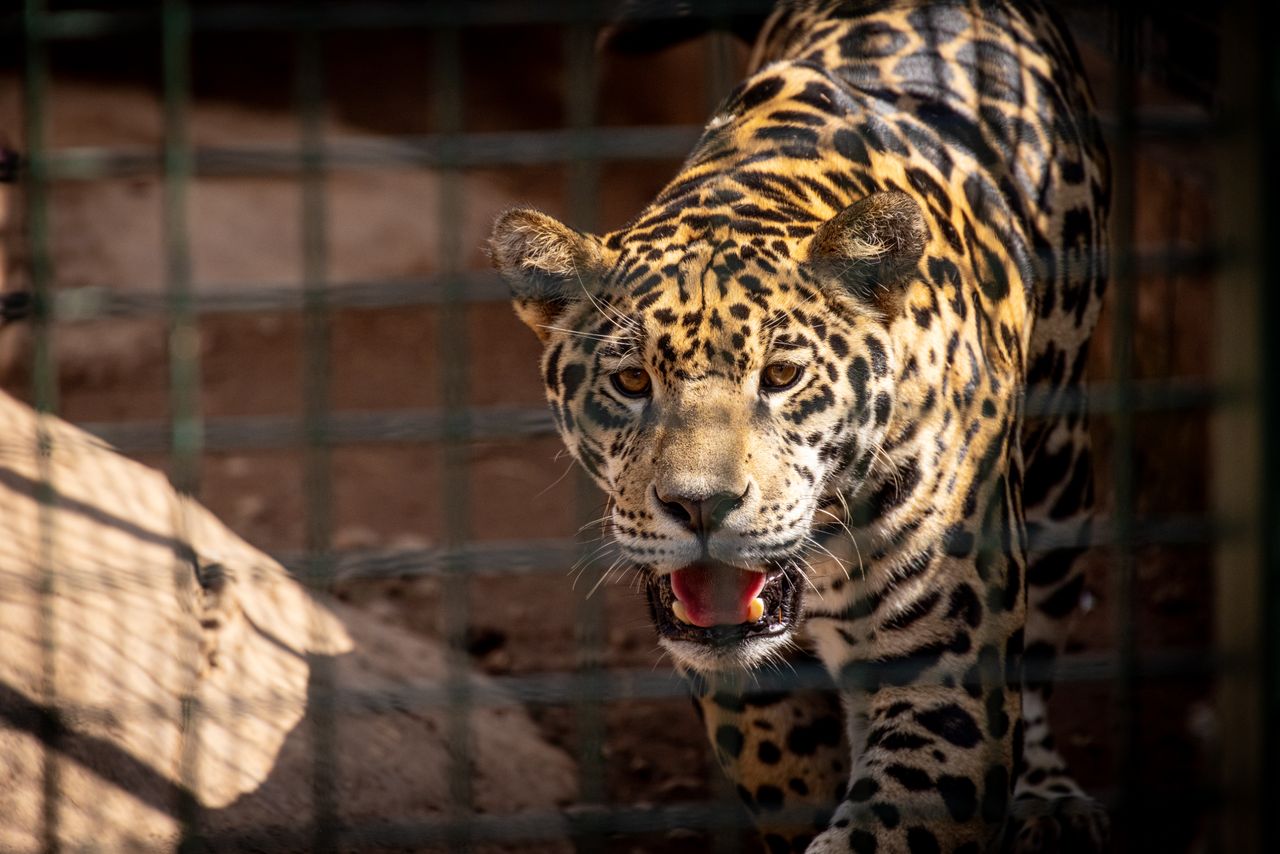
Lions, tigers, leopards, jaguars, cheetahs and cougars became subject to a much tougher federal standard after Congress enacted the Big Cat Public Safety Act in December 2022.
The U.S. Fish and Wildlife Service says the law generally prohibits private individuals from possessing, breeding, buying, selling or transporting the covered big cats, with specific exceptions for qualifying zoos, sanctuaries, government entities and certain other facilities. People who already owned qualifying big cats when the law took effect had to register them by June 18, 2023, to retain them under the private-owner exception.
The scale of private ownership helps explain why the change mattered. In a 2023 notice, the Fish and Wildlife Service estimated that about 20,000 big cats were privately owned in the United States.
For Americans considering a tiger cub as an unusual household pet, federal law is now a major barrier, regardless of what their state permits.
Bears
Bears appear repeatedly in state dangerous-wildlife laws, including black bears, grizzly bears and polar bears.
Mississippi, for example, classifies bears among the wild animals considered inherently dangerous and requires a permit to import, sell, transfer, purchase, or possess animals covered by its dangerous-wildlife statute.
New York takes a much broader approach. State law prohibits knowingly possessing wild animals as pets, with narrow exceptions for qualifying circumstances and certain animals already held when the restrictions took effect. A 2025 New York Department of Environmental Conservation document specifically noted that bears cannot simply be retained as personal pets under the state’s current licensing framework.
The legal problem is easy to miss because bears sometimes appear tame in viral videos and private collections. State wildlife statutes generally focus on the species, the circumstances of possession, and permit status rather than how friendly an individual animal appears.
Monkeys and other primates

Mehmet Turgut Kirkgoz/Pexels
The idea of a monkey living in an American home has a surprisingly long history, but private primate ownership is heavily restricted nationwide.
The Animal Legal & Historical Center’s current state-law map places California, Colorado, Georgia, Hawaii, Illinois, Iowa, Kentucky, Maryland, Massachusetts, New Hampshire, New Jersey, New Mexico, New York, Ohio, Oregon, South Carolina, Utah, Vermont and Washington among states with comprehensive exotic-animal bans. Many of those laws cover nonhuman primates.
A study published in PLOS One found advertisements for pet primates across 22 states during its research period, illustrating how the market can continue operating across a patchwork of regulations. The researchers also found that some primates were advertised in states where private ownership was prohibited.
That gap between what appears for sale and what residents can legally own is one reason exotic-pet legality cannot be determined simply by finding an animal advertised online.
Wolves and wolf-dog hybrids
Wolves occupy an awkward legal category because a wolf, a wolf-dog hybrid and an ordinary domestic dog can look superficially similar while being treated very differently under state law.
Mississippi lists wolves among its inherently dangerous wild animals and requires authorization to possess them. Louisiana similarly restricts possession of gray wolves and red wolves under its rules governing potentially dangerous wildlife.
Wolf-dog hybrids also have their own restrictions. A 2025 review of state rules identified 12 states that prohibit private ownership of wolf-dog hybrids, including Connecticut, Georgia, Hawaii, Illinois, Massachusetts, Maryland, Michigan, New York, Pennsylvania, Rhode Island and Wyoming, along with the District of Columbia.
The percentage of wolf ancestry can therefore become legally relevant in some jurisdictions, making the phrase wolf-dog as much a legal classification issue as an animal-description issue.
Crocodiles and alligators
Crocodilians are another group that repeatedly appears in dangerous-animal regulations.
Ohio’s dangerous-wild-animal statute includes alligators, crocodiles, caimans and gharials among the animals subject to its restrictions. The same statute also covers bears, elephants, rhinoceroses, hippopotamuses, big cats and nonhuman primates.
Florida offers a useful example of why the word illegal can become complicated. State law requires a license to take or possess an alligator, while other crocodilians fall under separate captive-wildlife rules and restrictions.
So an alligator sitting beside a backyard pool is not automatically proof of illegal ownership everywhere. In some states, the permit itself is the dividing line.
Venomous snakes and other venomous reptiles
A venomous snake may fit inside a glass enclosure, but many state governments treat the animal as regulated wildlife rather than an ordinary household pet.
Illinois, for example, prohibits the breeding, sale or offer for sale of venomous reptiles within the state, while allowing limited possession under its approved-species and permitting framework. Its law covers groups including cobras, coral snakes, vipers, pit vipers and other medically significant venomous reptiles.
North Dakota requires applicants seeking to possess venomous reptiles to demonstrate an educational purpose and the ability to house, feed, care for, handle and, if necessary, dispose of the animals appropriately.
The federal government also regulates certain wildlife moving across state lines, adding another layer to an already complicated system.
Related Post: 10 Exotic Pets That Are Legal in Some U.S. States but Banned in Others
Elephants
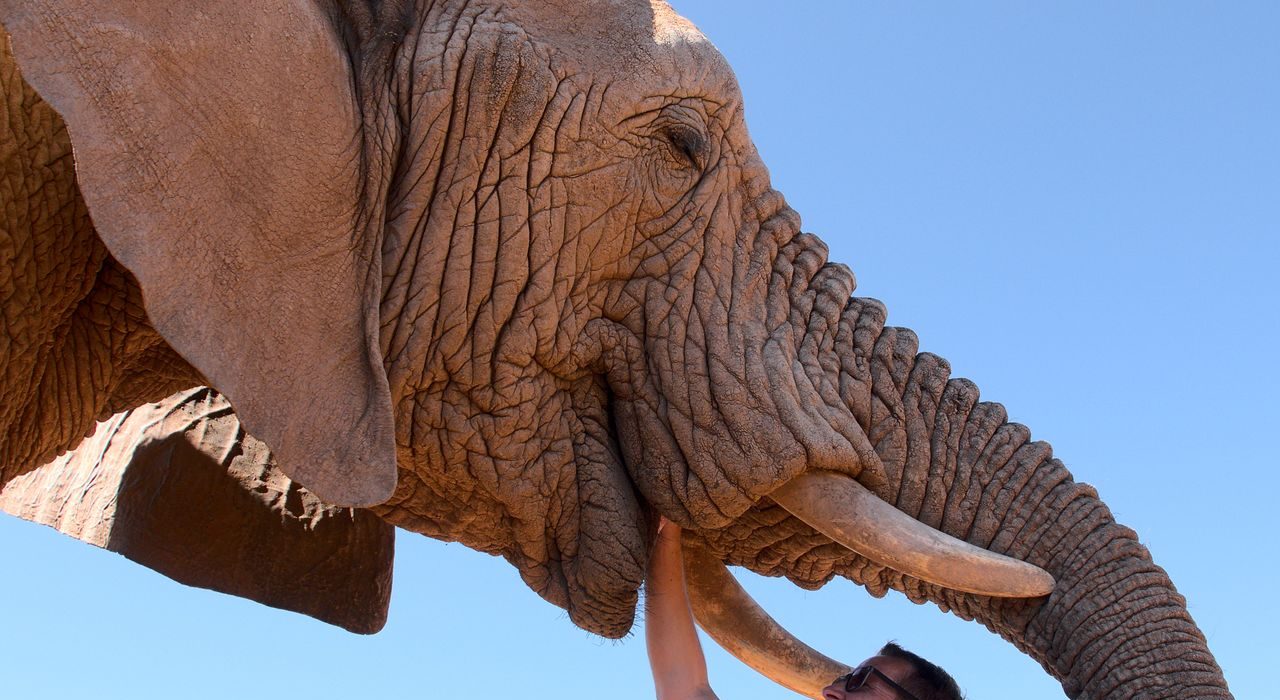
An elephant may seem too obvious to count as a household pet, yet private ownership has existed in the United States, which is why state laws specifically address them.
Ohio classifies elephants as dangerous wild animals under its state law. Washington likewise includes all elephant species in its dangerous-wild-animal statute.
Elephants also appear in state restrictions governing animal exhibitions. As of 2026, several states have enacted laws restricting certain animals in traveling animal acts, with elephants among the species covered by recent legislation in states including Maryland, Massachusetts and Washington.
For a private household, the issue therefore reaches far beyond having enough land. State law can determine whether the animal can legally be possessed in the first place.
Rhinoceroses
Rhinoceroses belong to the same legal category that catches many people off guard: enormous exotic mammals that some state governments explicitly identify as dangerous wildlife.
Ohio’s statute lists rhinoceroses alongside elephants, hippopotamuses, bears, big cats and other dangerous wild animals.
Mississippi’s dangerous-wildlife regulations similarly demonstrate how states can group large exotic mammals into restricted categories rather than treating every species separately. Its rules cover a wide range of animals considered inherently dangerous, including big cats, bears, wolves, primates and other large wildlife.
Related Post: 5 Terrifying Exotic Pets That Killed Their Owners
Other Posts You May Like
- Scientists Hid a Sponge to See Whether Dogs or Cats Would Help Their Owners
- Why Senior Dogs Wait So Much Longer in Shelters — And What Their Adopters Say Is Worth It
If you like what you just read, then subscribe to our newsletter and follow us on social media.


