


The post Why Community Gardens Are Turning Empty Neighborhood Spaces Into Productive Places first appeared on Crafting Your Home.
A vacant lot does more damage to a neighborhood than most people realize. It attracts illegal dumping, becomes a hiding spot for overgrown brush, and, according to one of the largest studies ever conducted on the subject, quietly contributes to crime, stress, and depression among the people living nearby.
Turning that same lot into a community garden does more than just improve the view. According to a growing body of rigorous public health and criminology research, it appears to change measurable outcomes for the entire surrounding block.
A Rare, Rigorous Experiment on Vacant Land
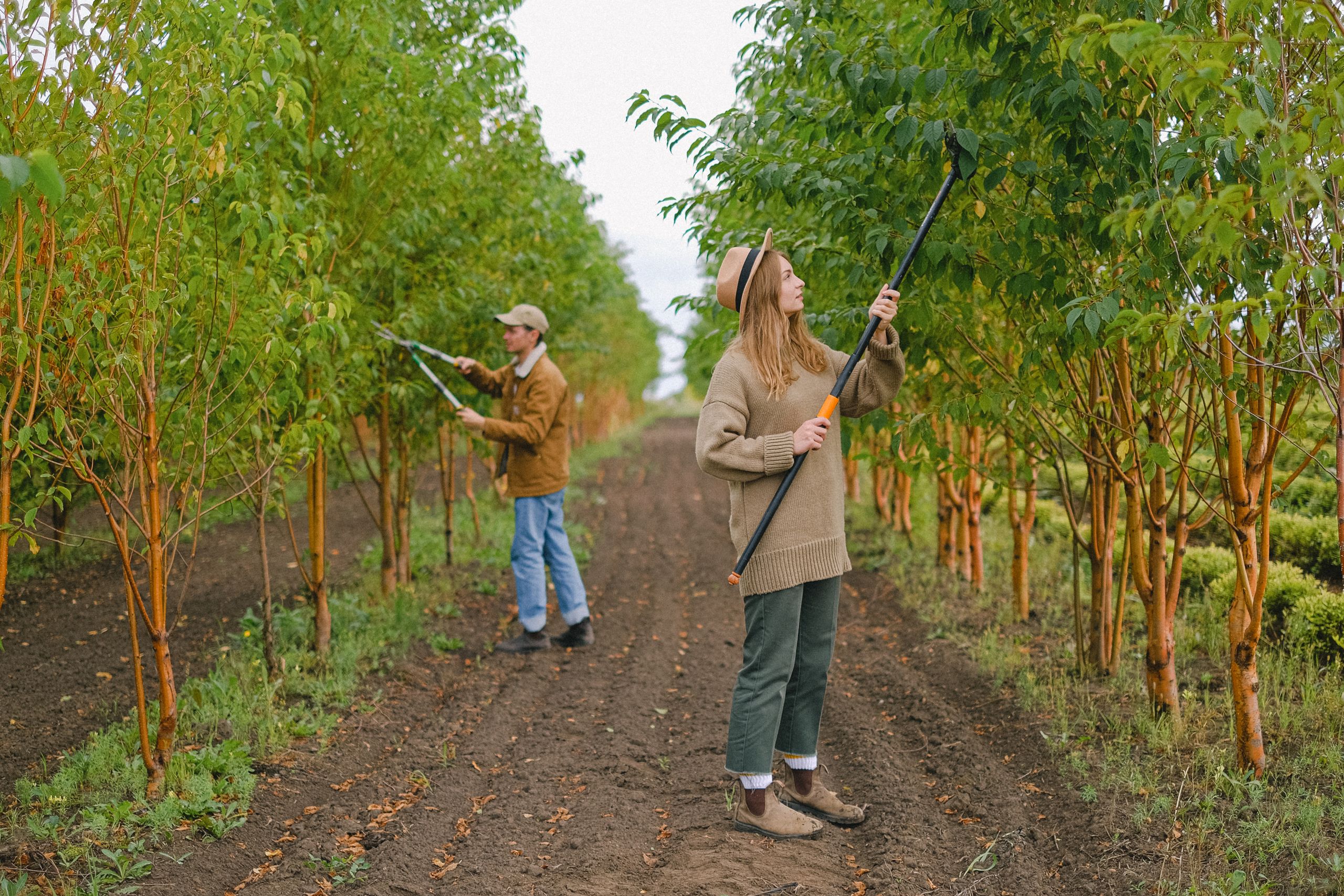
Most claims about neighborhood improvement are difficult to prove scientifically. The Philadelphia LandCare Program is a notable exception. Led by epidemiologist Charles Branas and colleagues, researchers conducted a citywide cluster randomized controlled trial, a study design more commonly associated with medical research than urban planning, examining what happened when previously vacant lots were cleaned, graded, planted with grass and trees, and enclosed with a simple wooden fence.
The results, published in the Proceedings of the National Academy of Sciences in 2018, were striking. According to the study, treatment areas where lots were greened saw a 9.2 percent reduction in overall crime compared to untreated control areas after 18 months, along with a 13.7 percent reduction in burglary and a 2.4 percent reduction in gun assaults, all statistically significant findings.
The Effect on Mental Health Was Even Larger
Crime reduction was only part of the story. A related study led by researcher Eugenia South, published alongside Branas and colleagues, examined the mental health of residents living near these newly greened lots. According to that research, people living within a quarter mile of a revitalized lot experienced a 41.5 percent decrease in reported feelings of depression compared to residents living near lots that remained untouched.
At a research event hosted by the University of Pennsylvania’s Institute for Urban Research, researcher John MacDonald, who worked alongside Branas on this research, noted that these findings line up with long-standing theories in criminology, including the idea that visible neighborhood neglect itself can encourage further disorder and criminal activity, a concept commonly known as broken windows theory.
Related : 9-kitchen-trends-making-homes-feel-more-personal-and-less-showroom-perfect
The Financial Case Is Just as Compelling
Beyond crime and mental health, this research also carries a clear economic argument. According to a separate analysis by Branas and colleagues, taxpayers saved an estimated 32 dollars per greened vacant lot and 13 dollars per remediated abandoned building, driven primarily by reductions in assault related costs. Notably, those savings persisted for nearly four years after the initial greening work was completed, suggesting the benefits of turning an empty lot productive are not simply temporary.
Community Gardens Specifically Add Food and Social Benefits on Top
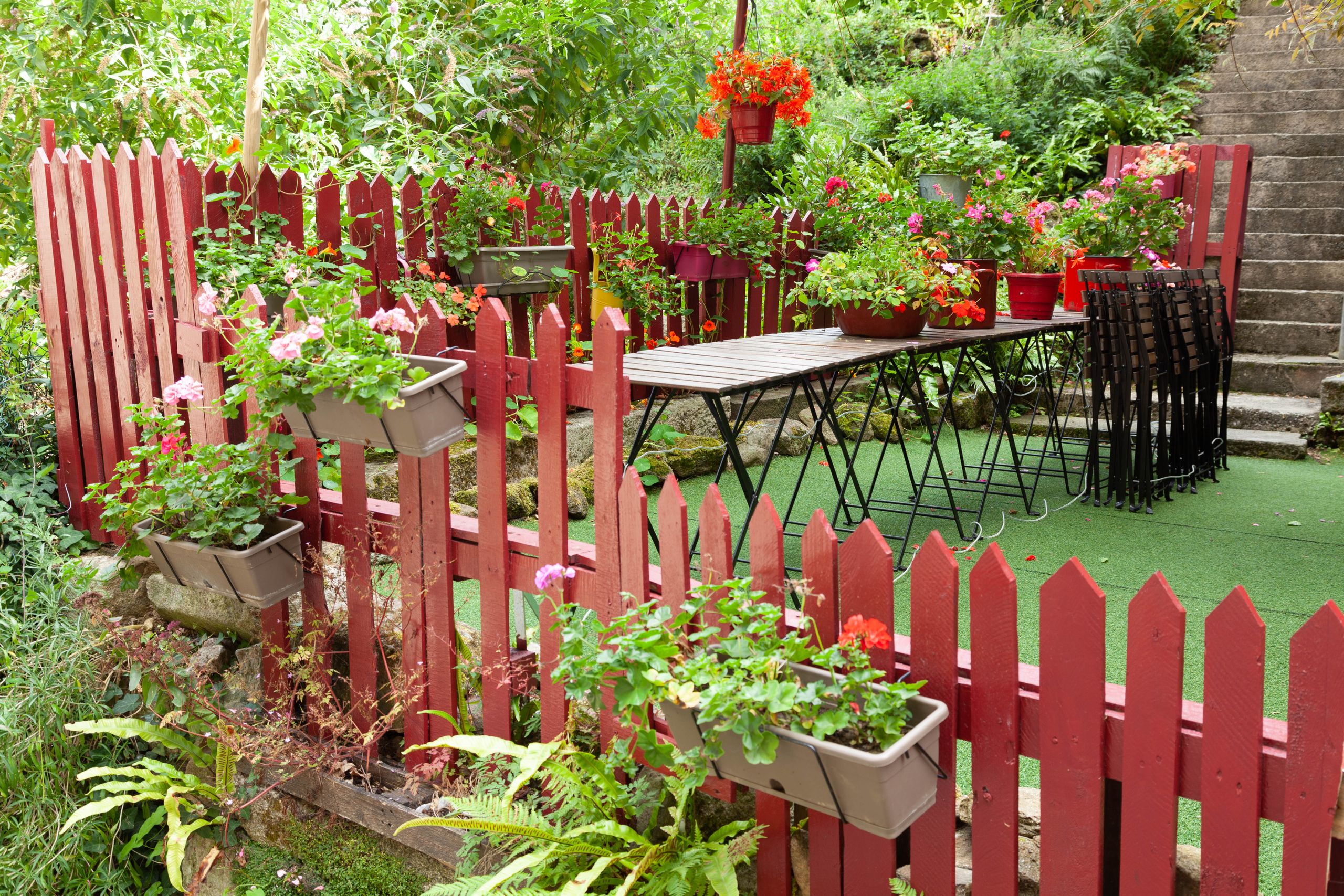
While the Philadelphia research focused on general greening rather than food cultivation specifically, community gardens, which have grown to an estimated 18,000 locations across the United States and Canada according to the American Community Gardening Association, appear to layer additional benefits on top of the same underlying pattern.
According to a review compiled by CountyHealth Rankings and Roadmaps, a research initiative from the University of Wisconsin Population Health Institute, community gardening is associated with improvements in mental health, reduced stress and anxiety, reduced isolation, and increased social connectedness. The same review notes that reductions in stress and anxiety tend to be greatest specifically among participants who started out with higher stress levels to begin with, suggesting these spaces may do the most good for the people who need them most.
Community gardens also address a very practical problem: food access. According to the same research summary, community gardens can reduce common barriers to healthy food related to cost, transportation, and food preference, while adults who participate in community gardening consistently eat more fruits and vegetables than those who don’t garden at all.
Related: does-a-pool-increase-a-homes-value
Interest in Growing Food Locally Has Been Rising for Years
This isn’t a niche or fading interest. According to a five-year analysis from the National Gardening Association, the number of American households growing their own food in home and community gardens rose from 36 million in 2008 to 42 million by 2013, a 17 percent increase. Urban food gardening specifically grew even faster over that period, up 29 percent, while participation among millennials rose 63 percent, from 8 million food gardeners to 13 million, over the same five years.
What This Adds Up To
None of this suggests a community garden is a cure-all for every neighborhood challenge, and researchers studying this space have noted that food security outcomes in particular can vary depending on how accessible and culturally relevant a given garden actually is to the people living around it. But the underlying pattern, backed by one of the more rigorous randomized studies ever run on urban space, is hard to dismiss: an empty lot left alone tends to become a liability, while the same lot, cleaned, planted, and given back to the people living around it, tends to become measurably safer, calmer, and more connected.
For a piece of land that was previously producing nothing but trash and overgrowth, that shift, from empty liability to genuinely productive community space, may be one of the more evidence-backed transformations available to any neighborhood willing to attempt it.
Other posts you might like
- things-nobody-warns-you-about-before-buying-your-first-home
- six-things-homeowners-never-regret-buying
If you like what you just read, then subscribe to our newsletter and follow us on social media.


