


This article was originally published on Crafting Your Home. A human contributor also wrote and edited the post.
Living alone gives us freedom, independence, and a space that truly feels like our own, but it also comes with responsibilities that are easy to underestimate. The small habits we ignore today can become the problems we regret tomorrow.
Having our own place means we can create our own routines, decorate however we want, enjoy quiet mornings, and make decisions without asking anyone else. However, living alone also means we become the person responsible for noticing problems, preparing for emergencies, and protecting our personal space. Safety experts often recommend simple daily habits, such as securing doors and windows, avoiding oversharing travel plans, and maintaining emergency contacts, because small actions can significantly improve our sense of security.
Many risks do not appear dramatic at first. A package left outside, a weak password, an ignored repair, or a predictable schedule may seem harmless. Yet these small details can reveal information about our lives or create unnecessary challenges when we are the only person handling an emergency.
Here are the things we should never do when living alone to protect our home, privacy, and independence.
Leaving Our Curtains Open All the Time
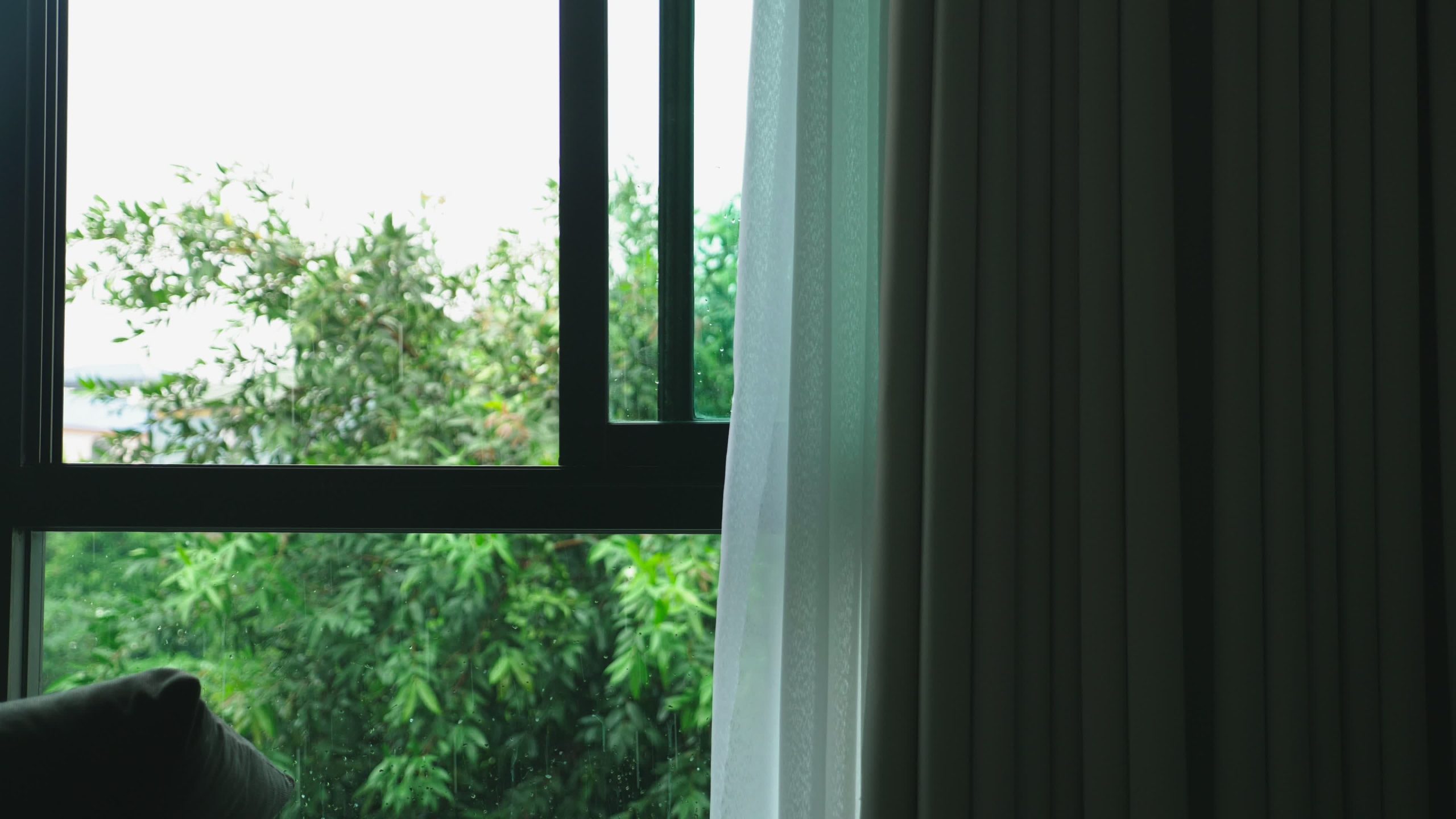
Natural sunlight can completely transform a home. Opening curtains in the morning makes a room feel brighter, warmer, and more inviting. However, keeping curtains wide open all day can unintentionally reveal more about our lives than we realize.
Windows are not just sources of light. They are also visual access points. Someone outside may notice when we wake up, when we leave for work, whether we live alone, what expensive items are visible inside, or when our home appears empty.
Privacy begins before anyone enters our home. It starts with controlling what strangers can observe from the outside.
This does not mean we should live behind closed blinds all day. Instead, we can create balance. Open curtains when we are home and comfortable, use privacy shades when necessary, and avoid placing valuable electronics or personal documents directly in view.
A home should feel open to us, not exposed to everyone passing by.
Ignoring Small Repairs Around the Home
A loose door handle. A broken window latch. A strange noise from an appliance. A flickering light.
When we live with roommates or family members, someone else may notice these problems first. When we live alone, small issues can quietly become our responsibility. Minor repairs often become major problems because we convince ourselves they can wait.
A damaged lock can become a security concern. A leaking pipe can create expensive water damage. Faulty electrical wiring can become a serious hazard. Even simple issues like a loose railing or broken step can increase the risk of injury.
A safe home is not created by expensive renovations. It is created through attention.
Taking care of problems early saves money, reduces stress, and prevents emergencies from appearing at the worst possible time. Regular home maintenance is widely recommended because overlooked issues involving water, electrical systems, and aging equipment can develop into larger safety concerns.
When we live alone, prevention becomes our strongest protection.
Following the Same Schedule Every Single Day
Routine makes life easier. Knowing exactly when we shop, exercise, work, or run errands helps us stay organized. But when every activity happens at the exact same time every week, our habits become predictable.
Predictability can reveal patterns. If someone pays attention, they may learn when our apartment is empty, when we usually return home, or when we regularly go grocery shopping. Most people will never experience a problem because of their routine, but reducing unnecessary predictability is a simple safety habit.
Small changes can make a difference. We can shop on different days, vary our walking routes, adjust our workout times occasionally, or avoid announcing our daily schedule online. Independence is not about living in fear. It is about being aware.
A flexible routine gives us freedom while making our personal patterns harder for others to track.
Letting Strangers Enter Our Building Out of Politeness
Many people struggle with saying no.
Someone holds the apartment door behind us. Someone claims they forgot their access card. Someone says they are visiting a neighbor.
Our instinct may be to help. After all, we want to be kind. But when we live alone, politeness should never override awareness.
We do not know every person who enters our building, nor their intentions. Allowing unknown individuals inside may compromise not only our own safety but also the safety of other residents.
A simple response is enough:
“I’m sorry, I can’t let anyone in.”
We do not need to explain ourselves. We do not need to feel guilty. A secure building depends on residents respecting boundaries.
Kindness matters, but personal safety comes first.
Posting Real-Time Updates About Our Location

Social media encourages us to share everything instantly.
A beautiful dinner. A weekend trip. A late-night event. A quiet evening at home.
But posting information in real time can reveal details we would never share with a stranger face-to-face. A simple update saying we are traveling, staying home alone, or spending the weekend away can unintentionally signal to others that our home is empty or that we are by ourselves.
A safer habit is waiting before sharing.
Post vacation pictures after returning. Share experiences without revealing exact locations. Avoid broadcasting routines that allow strangers to build a picture of our daily lives.
Our memories belong to us. They do not need to become a public schedule.
Ignoring Strange Sounds or Changes Around the Home
Living alone can sometimes make us second-guess ourselves.
Was that noise normal? Did something move? Did we really hear someone outside?
Some people dismiss their instincts because they do not want to seem overly cautious. However, awareness is valuable. Our intuition often notices small changes before our conscious mind understands them.
If something feels unusual, we can investigate safely. Check through a peephole. Look through a window. Use a security camera if available. Contact someone we trust if we feel uncomfortable.
Being alert does not mean being afraid. It means respecting our own observations.
Leaving Packages Outside for Hours
Online shopping has made deliveries part of everyday life, but unattended packages create more than a theft risk.
A package sitting outside for a long time sends a message.
It may suggest that nobody is home. It may suggest that the property is not being monitored regularly. It may also expose personal information through shipping labels.
When possible, collect deliveries quickly or use safer alternatives such as secure delivery locations, lockers, or trusted neighbors.
Small details around a home often communicate whether someone is paying attention.
A well-maintained and active-looking home naturally provides another layer of protection.
Depending Only on Our Phone During Emergencies

For many people, a smartphone is their connection to everything. It contains contacts, directions, banking information, medical details, and emergency communication. But a phone cannot help if it is lost, damaged, or dead.
When living alone, preparation matters. We should keep our phone charged, maintain backup charging options, and store important numbers somewhere accessible outside our device.
Emergencies rarely happen at convenient moments. The goal is not to expect something bad to happen. The goal is making sure we can respond quickly if something unexpected occurs.
If you like what you just read, then subscribe to our newsletter and follow us on social media.


