


The post The Free TSA Service Older Travelers Can Request 72 Hours Before a Flight first appeared on Crafting Your Home
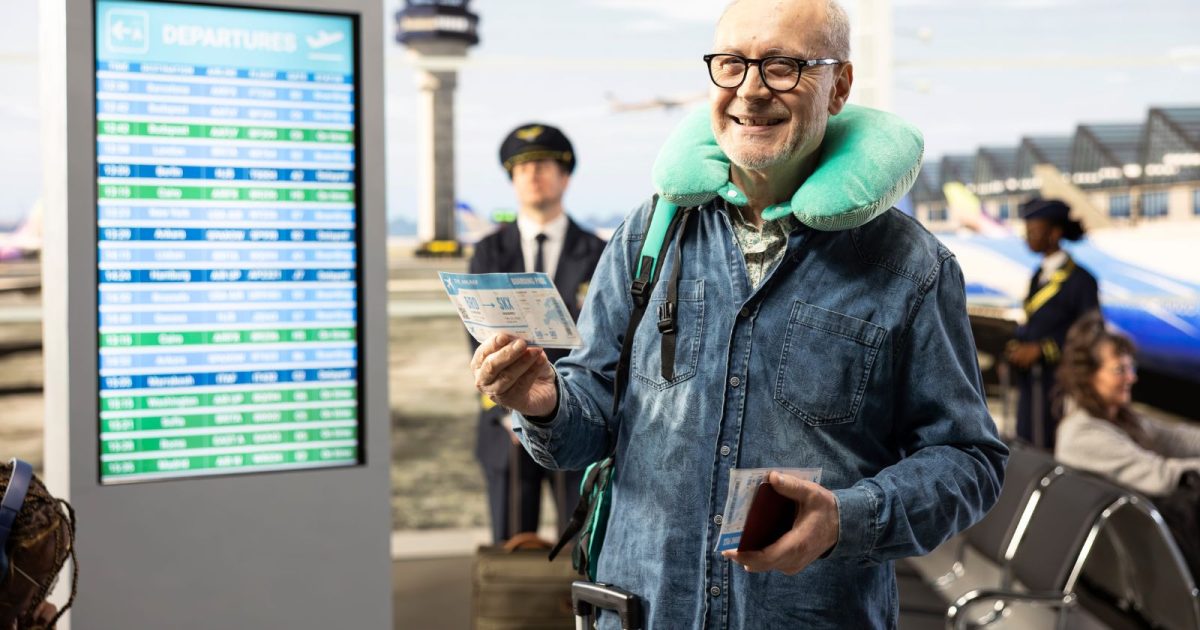
Flying with an older family member can bring extra questions at the airport. A free TSA program can help some travelers prepare for the security checkpoint, but it is important to know what the service does and does not provide.
TSA Cares is a free assistance program for travelers with disabilities, medical conditions, or other special circumstances. It allows travelers or their families to request checkpoint support and get information about what to expect during screening. The key detail: requests should be made at least 72 hours before travel when assistance is needed.
For families helping an older parent or relative plan a trip, knowing about TSA Cares can make the airport experience easier to navigate. The program is not a shortcut through security, but it can help travelers understand the process and request support before arriving at the checkpoint.
Why this matters for travelers and families

Many travelers over age 75 may already know about one TSA screening difference: in standard screening lanes, passengers 75 and older may keep their shoes on. They may also keep a light jacket on. However, this age-based screening accommodation is separate from TSA Cares. Being older alone does not automatically provide TSA Cares assistance.
The distinction matters because TSA Cares is designed around a traveler’s specific circumstances. Someone using a mobility aid, traveling with a medical device, or needing additional guidance during screening may benefit from requesting assistance ahead of time.
For families traveling together, advance planning can help avoid trying to explain a concern for the first time while standing at the security checkpoint. TSA Cares gives travelers a way to ask questions and discuss possible support before the day of the flight.
What TSA Cares can help with
TSA Cares can provide information about security screening procedures and can arrange checkpoint assistance when requested in advance. In some cases, travelers may be connected with a TSA Passenger Support Specialist, a Transportation Security Officer with specialized training to assist and communicate with travelers who need extra support.
The program may be relevant for travelers with concerns involving mobility aids, medical devices, medication, hearing or vision conditions, cognitive conditions, or other circumstances that could make screening more difficult.
However, TSA Cares does not remove the requirement for security screening. Travelers must still complete the screening process. A request for assistance or a disability notification card does not mean a traveler can skip screening.
It is also important to understand that TSA Cares focuses on the security checkpoint. Services such as wheelchair assistance from the curb to the gate, help boarding an aircraft, or in-flight assistance must be requested through the airline.
Related: 7 Enchanting Small U.S. Towns Ideal for Senior Travelers
How to request TSA Cares assistance
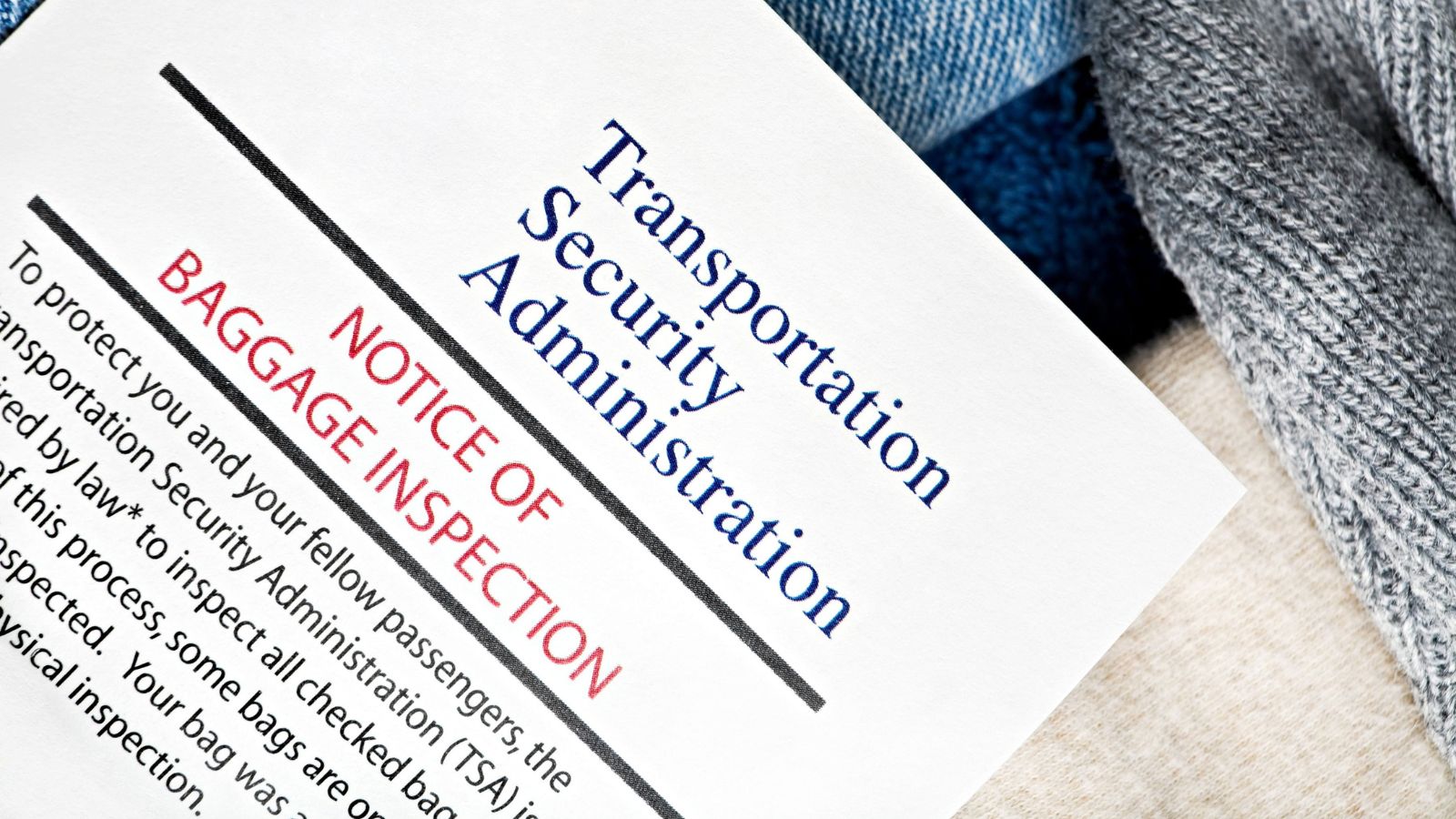
Travelers or their families should contact TSA Cares at least 72 hours before the trip if they need checkpoint assistance. Requests can be made by calling TSA Cares or by submitting an online assistance request.
When making a request, travelers should explain the type of assistance they may need. This can include concerns related to mobility equipment, medical devices, or other accessibility needs. Travelers should also provide flight information and a phone number that TSA can use on the day of travel.
For flights that are within 72 hours, travelers can still call TSA Cares to request assistance. Families should not assume that every request made close to departure can be arranged in advance, but TSA Cares can provide guidance about screening procedures.
A helpful step before the airport
The biggest takeaway for families is simple: TSA Cares is a planning tool, not a fast pass.
Older travelers who need extra support at the security checkpoint can use the program to ask questions and request appropriate assistance before their trip begins. Travelers who do not need additional help can still benefit from knowing that the age-75 shoe and light-jacket policy is separate from TSA Cares.
Before a flight with an older relative, take time to consider whether there are any screening concerns that should be discussed ahead of time. A quick request before traveling may help make the checkpoint experience more predictable for everyone involved.
Other Posts You May Like
If you like what you just read, then subscribe to our newsletter and follow us on social media.


