

The Post What to Keep, Donate or Let Go When Clearing Out a Parent’s Home first appeared on Crafting Your Home.
A parent’s home can hold decades of memories, but clearing it is not just a matter of sorting through closets and cupboards.
Every room may contain a mix of family history, important paperwork, valuable items, and everyday belongings that need a thoughtful decision. The most helpful approach is not trying to save everything. It is protecting what truly matters and creating a clear plan for everything else.
For families facing this process, the first step is not deciding what goes into a donation box. It is slowing down long enough to identify what should never be discarded by accident.
Start With Important Papers and Valuable Items
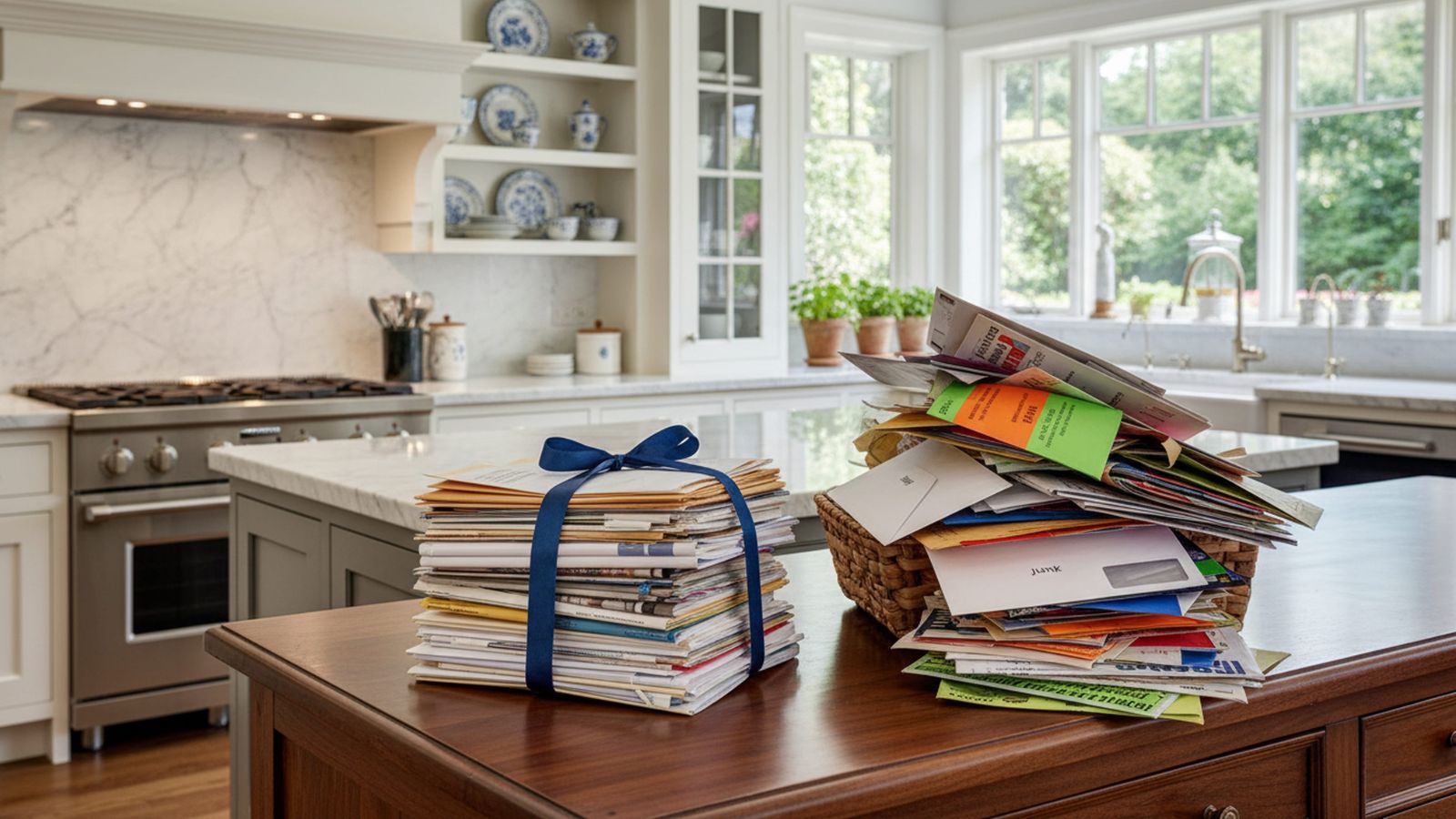
Before sorting furniture, clothing, or household goods, families should create a safe place for documents and small items that may have legal or financial importance.
A “do not discard” box can help collect items such as wills, trust papers, powers of attorney, deeds, vehicle titles, and property records. Other important materials may include insurance documents, retirement records, bank statements, mortgage paperwork, loan records, and tax returns.
Small objects can also deserve attention. Cash, checkbooks, savings bonds, stock certificates, jewelry, watches, coins, stamps, artwork, antiques, and collections may be easy to miss during a quick clean-out.
A simple rule can prevent major regrets: protect documents and possible valuables first, then begin sorting the rest of the home.
Create Categories Before Making Decisions
A house full of belongings can feel overwhelming when every item seems connected to a memory. A clear sorting system can make the process easier.
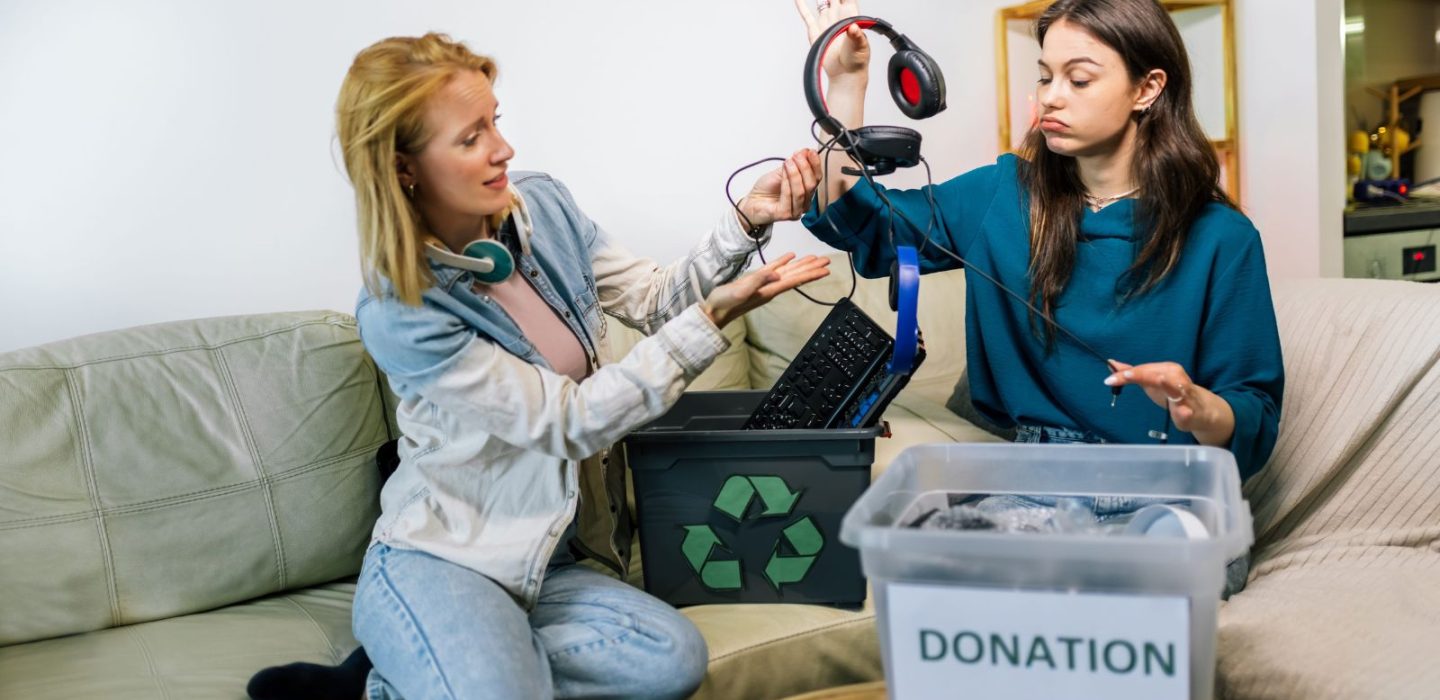
One practical method is to divide belongings into categories: keep, pass along, sell or appraise, donate, and let go or recycle.
Items to keep may include legal records, family archives, meaningful heirlooms with a clear place, and objects that are genuinely important to preserve.
Items to pass along are often things that have a specific person connected to them, such as family pieces, photographs, or handmade objects that someone wants and can realistically use.
Items to sell or appraise may include artwork, jewelry, collectibles, vintage furniture, tools, vehicles, or specialty collections that could have a resale market.
Items to donate should be clean, usable, and accepted by an organization that can make use of them.
Items to let go or recycle may include broken, damaged, unsafe, or incomplete belongings that no longer serve a purpose.
Keep the Story, Not Always Every Object
One of the hardest parts of clearing a parent’s home is deciding how to preserve memories without keeping every possession.
A smaller family archive can often hold the most meaningful pieces. Handwritten recipes, letters, journals, photographs with names or stories attached, and a few objects connected to special moments may preserve family history without requiring an entire household to be stored.
A favorite mug, a quilt, a recipe box, a tool, or a holiday decoration may matter because of the memories attached to it. The meaning of an object is not always connected to its size, price, or practicality.
Families may find it helpful to focus on what tells a story rather than trying to keep every version of every item.
Related: 8 Things Your Children May Sell, Donate, or Pass Along After You’re Gone
Check Before Selling or Throwing Away Older Items
Some belongings deserve a closer look before they leave the home.
Jewelry, artwork, antiques, collectibles, rare books, vintage items, and specialty equipment may need evaluation before a decision is made. An older item is not automatically valuable, but families should avoid treating potentially valuable belongings as ordinary clutter without checking first.
Details such as signatures, labels, receipts, certificates, and maker’s marks may help explain an item’s history.
It is also important to confirm who has authority to distribute estate belongings before selling or giving away items that may be part of the estate.
Donate Items That Still Have Use
Donation can give household items another purpose, but it works best when families choose items that are clean, usable, and accepted by a specific organization.
Possible donations may include clothing in good condition, furniture, kitchen items, books, craft supplies, and other household goods that organizations are able to accept.
Checking donation guidelines before dropping items off can prevent frustration. Not every organization accepts every type of household item.
Families should also avoid allowing a donation pile to become another form of long-term storage. Removing donated items promptly can help keep the process moving.
Some Items Need Special Handling
Not everything marked “discard” belongs in a regular trash bag.
Household materials such as paints, cleaners, oils, batteries, and pesticides may require special disposal care. Families should follow disposal guidance and check local options before getting rid of these materials.
Taking extra care with these items can help avoid mistakes during a difficult clean-out process.
Related: 8 Things Your Children May Sell, Donate, or Pass Along After You’re Gone
Make Room for Family Conversations
Clearing a parent’s home can bring strong emotions because belongings often represent memories, fairness, and family connections.
A few practical steps can help reduce disagreements. Families can photograph important rooms and notable items, create shared lists of claimed belongings, give relatives the same opportunity to choose items, and separate wanting something from being able to store or use it.
It can also help to begin with less emotional areas of the home before moving on to highly personal belongings. Starting with everyday household items may make later decisions easier.
Conclusion
Clearing a parent’s home is not about measuring love by how many possessions remain.
Some items will stay because they carry legal importance, financial value, or deep personal meaning. Others may continue their life with another family member, a new owner, or a community organization.
The goal is to protect what matters, give useful belongings another chance, and let go of the rest with care.
Other Posts You May Like
If you like what you just read, then subscribe to our newsletter and follow us on social media.


