This article was originally published on Crafting Your Home. A human contributor also wrote and edited the post.
Summer may be winding down, but your garden does not have to surrender to dull days yet. August is actually a great time to add flowers that can keep your outdoor space bright well into fall.
Many gardeners make the mistake of thinking planting season ends when temperatures rise. Late summer can be the perfect window for adding certain flowering plants, especially those that establish quickly and continue producing blooms as cooler weather arrives.
Whether you want colorful flower beds, buzzing pollinators, or a backyard that still feels alive when autumn arrives, these August-friendly choices can help extend the growing season.
Asters bring late-season color when many gardens start fading.
Asters are one of the classic stars of the fall garden.
With their daisy-like flowers in shades of purple, pink, blue, and white, asters add a burst of color just when many summer blooms begin slowing down. They are also popular with pollinators, especially bees and butterflies looking for late-season food sources.
Planting asters in August gives them time to settle before cooler temperatures arrive. Established plants can provide flowers well into autumn, making them a favorite for gardeners who want a longer display without constantly replacing plants.
Asters also work well in borders, cottage gardens, and mixed flower beds because they blend easily with other late bloomers.
The key is choosing a sunny location with well-draining soil and keeping new plants watered while they establish roots. Once settled, wide varieties are relatively low maintenance.
For gardeners who think fall means the end of colorful gardens, asters prove otherwise.
Violas add cheerful blooms that can survive cooler weather.
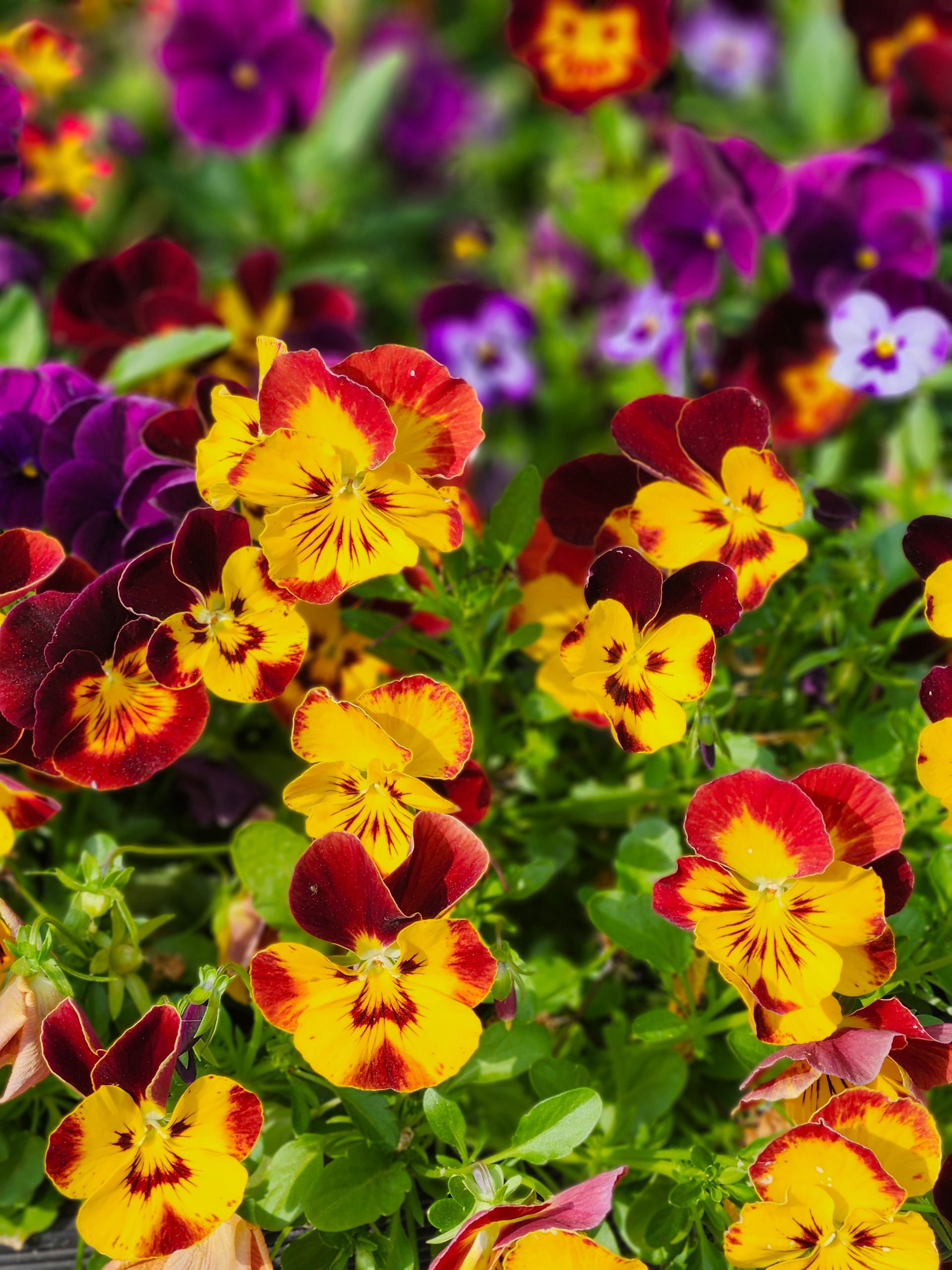
Violas are small flowers with a big personality.
These colorful plants are known for their ability to handle cooler temperatures, making them excellent choices for late-season planting. Wide varieties can begin blooming within weeks after planting and continue producing flowers into winter in mild climates.
Their bright faces come in many combinations, including purple, yellow, white, and orange, making them perfect for containers, window boxes, and garden edges.
One reason gardeners love violas is their toughness. While some flowers struggle as temperatures drops, violas often become even more valuable as autumn arrives.
They are also easy to combine with other seasonal plants, creating colorful displays without requiring a complicated gardening plan.
A few violas placed near a doorway or patio can make an outdoor space feel lively even when summer officially ends.
Fuchsias create dramatic hanging blooms.
Fuchsias bring a different kind of beauty to late summer and fall gardens.
Known for their hanging, bell-shaped flowers, fuchsias create an almost tropical appearance with blooms in shades of pink, purple, red, and white. They are especially attractive in hanging baskets, containers, and shaded garden areas.
For gardeners planting in August, choosing established flowering plants can provide quicker results than starting from seed.
Hardy fuchsia varieties can continue blooming into fall, giving gardens a dramatic final show before winter arrives.
They do their best when protected from extreme heat and grown in conditions that match their variety. Regular watering helps keep their flowers looking fresh, especially during warm late summer days.
Fuchsias are proof that fall gardens do not have to be limited to traditional autumn colors.
Penstemons deliver colorful flowers with little fuss.
Penstemons are another strong choice for August planting.
These plants produce trumpet-shaped flowers that attract pollinators and come in a range of colors, including pink, purple, red, and white. Their drought tolerance also makes them appealing to gardeners who want beautiful flowers without constant maintenance.
Planting penstemons while they are already flowering allows gardeners to enjoy immediate color while giving the plants time to establish before colder months.
They prefer sunny locations and well-drained soil. Once established, wide varieties can handle dry conditions better than some traditional garden flowers.
For busy gardeners, penstemons offer a simple formula: plant them, give them the right conditions, and enjoy the show.
Sedum keeps the garden interesting through fall.
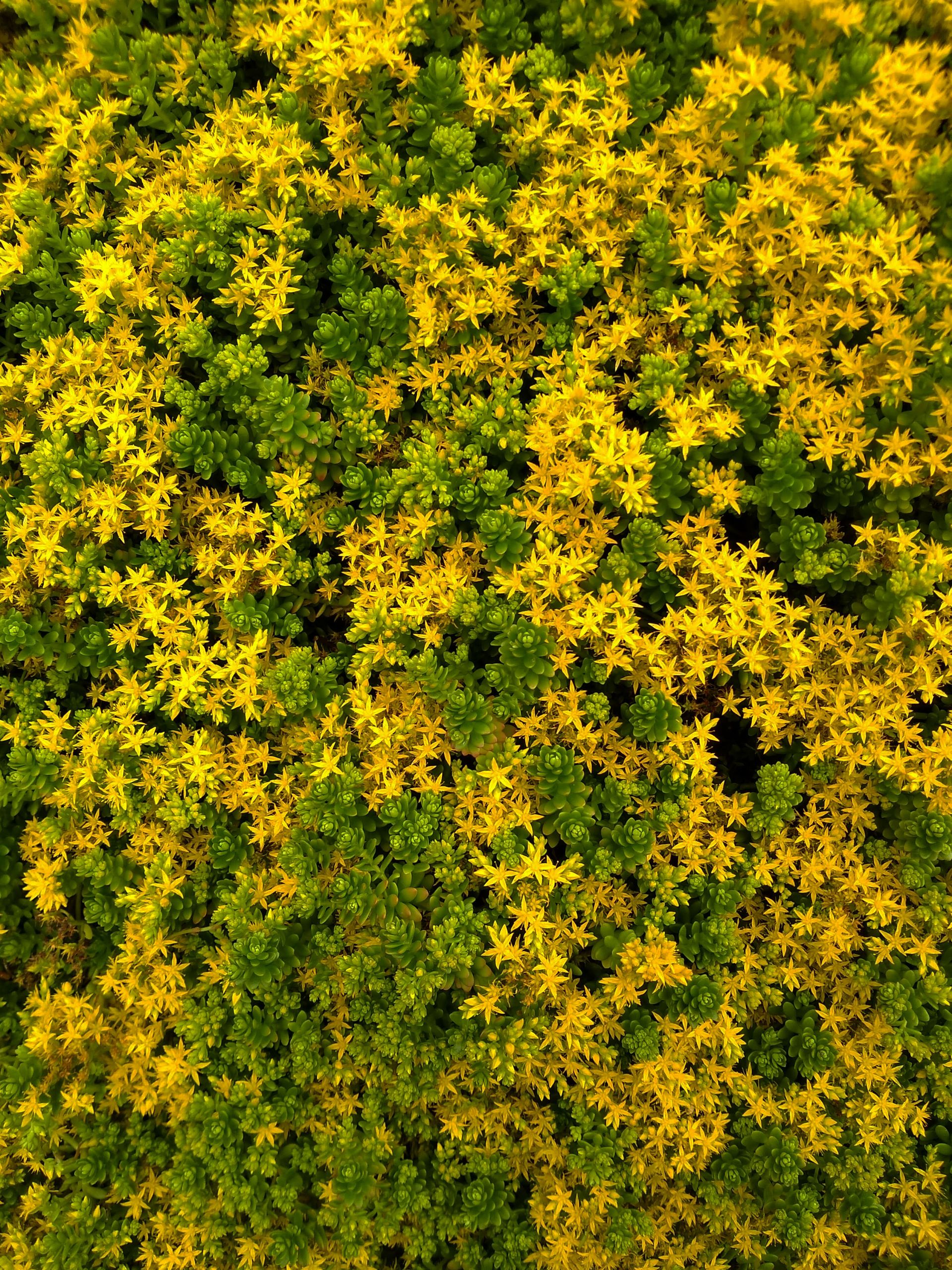
Sedum, also known as stonecrop, is a favorite among gardeners looking for reliable late-season colors.
These hardy plants produce clusters of tiny star-shaped flowers that can bloom from August into fall. Wide varieties are drought-tolerant and require very little attention once established.
Sedum works especially well in rock gardens, borders, and areas where other plants may struggle.
As temperatures cool, some varieties develop deeper colors, adding extra visual interest to the landscape.
Another advantage is that sedum provides structure even after flowers fade. Its foliage and dried flower heads can continue adding texture to the garden later in the year.
For anyone who wants a beautiful garden without spending every weekend maintaining it, sedum is a dependable choice.
How to help August-planted flowers thrive
Planting in August comes with one major challenge: heat.
New flowers need extra attention while their roots develop. Watering deeply, adding mulch around plants, and avoiding unnecessary stress can help them establish successfully.
Gardeners should also remove faded blooms from many flowering plants. Deadheading encourages some varieties to focus energy on producing new flowers instead of seeds.
Another important step is choosing plants suited to your local climate. A flower that thrives in one region may struggle in another, so checking growing conditions before planting can save time and money.
August is not the end of the gardening season. It is a chance to prepare for the next beautiful chapter.
With the right flowers, your garden can move from summer brightness into a colorful fall display that lasts until the colder months arrive.
If you like what you just read, then subscribe to our newsletter and follow us on social media.