


This article was originally published on Crafting Your Home. A human contributor also wrote and edited the post.
AI-powered farm robots are moving beyond research labs and into Colorado fields, giving small and midsize growers new tools to cut labor costs, weed, and handle other repetitive agricultural work.
For a small vegetable farmer, one of the biggest challenges may not be planting a crop. It may be keeping hundreds of thousands of weeds out.
That is where a new generation of agricultural robots is attracting attention in Colorado. Equipped with cameras, artificial intelligence, GPS, and specialized tools, the machines can navigate fields and perform tasks such as weeding and spraying with limited human intervention.
The technology is still developing, but Colorado State University and agricultural technology companies are already testing and demonstrating these systems with growers.
Labor Costs Are Driving Interest in Farm Robots
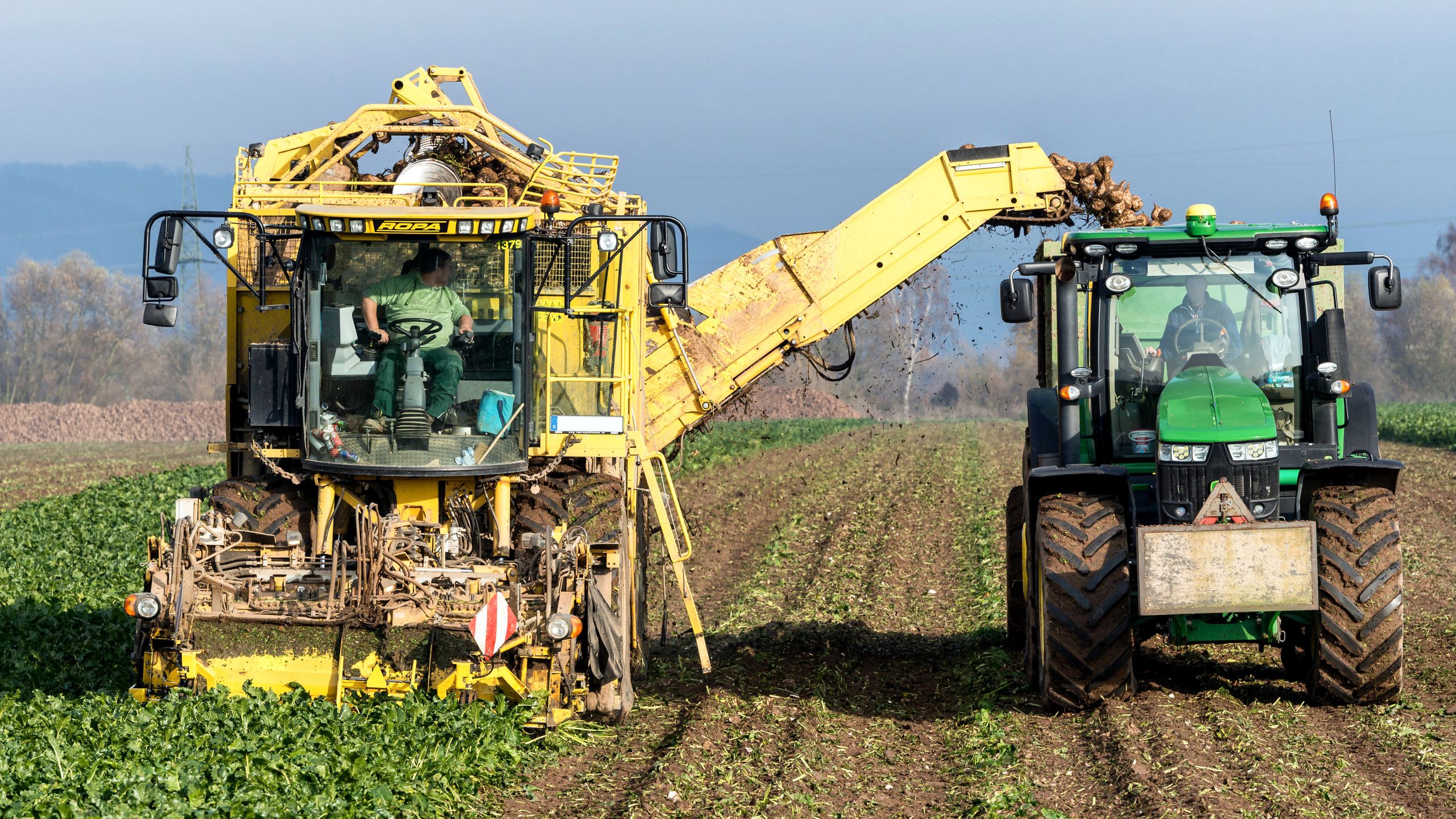
The economic incentive is particularly strong for farms producing fruits, vegetables, and other specialty crops.
According to the U.S. Department of Agriculture’s Economic Research Service, labor accounted for about 40% of cash expenses at U.S. specialty-crop farms in 2024, compared with about 15% across all farms. Specialty crops include vegetables, fruits, tree nuts, greenhouse and nursery products.
That makes repetitive tasks such as cultivation and weeding important targets for automation.
Colorado State University Extension has been examining this issue directly. In 2023, CSU organized an agricultural-robot demonstration at its Arkansas Valley Research Center in Rocky Ford, where growers could see several autonomous weeding systems operating in the field.
The university reported that the machines used technologies including artificial intelligence vision, blades, and lasers to identify and destroy weeds.
For farmers, the potential benefit is not simply having a machine that drives itself. It is a machine that can identify where work needs to be done.
AI Gives Robots the Ability to Recognize Plants
Agricultural robots have existed in various forms for years, but artificial intelligence is expanding what they can do.
Cameras mounted on a robotic machine can capture images as it moves through crop rows. Computer-vision software can then analyze those images to distinguish crops from weeds.
The robot can use that information to position a mechanical tool or other treatment.
This is especially useful for specialty crops because precision matters. A machine that cultivates everything in its path could damage valuable plants. An AI-enabled system attempts to determine which plants should remain and which should be removed.
CSU Extension described weed removal as a more achievable application for agricultural robotics than harvesting because picking delicate fruits and vegetables requires considerably more dexterity.
A Colorado Company Is Building Robots for Smaller Farms
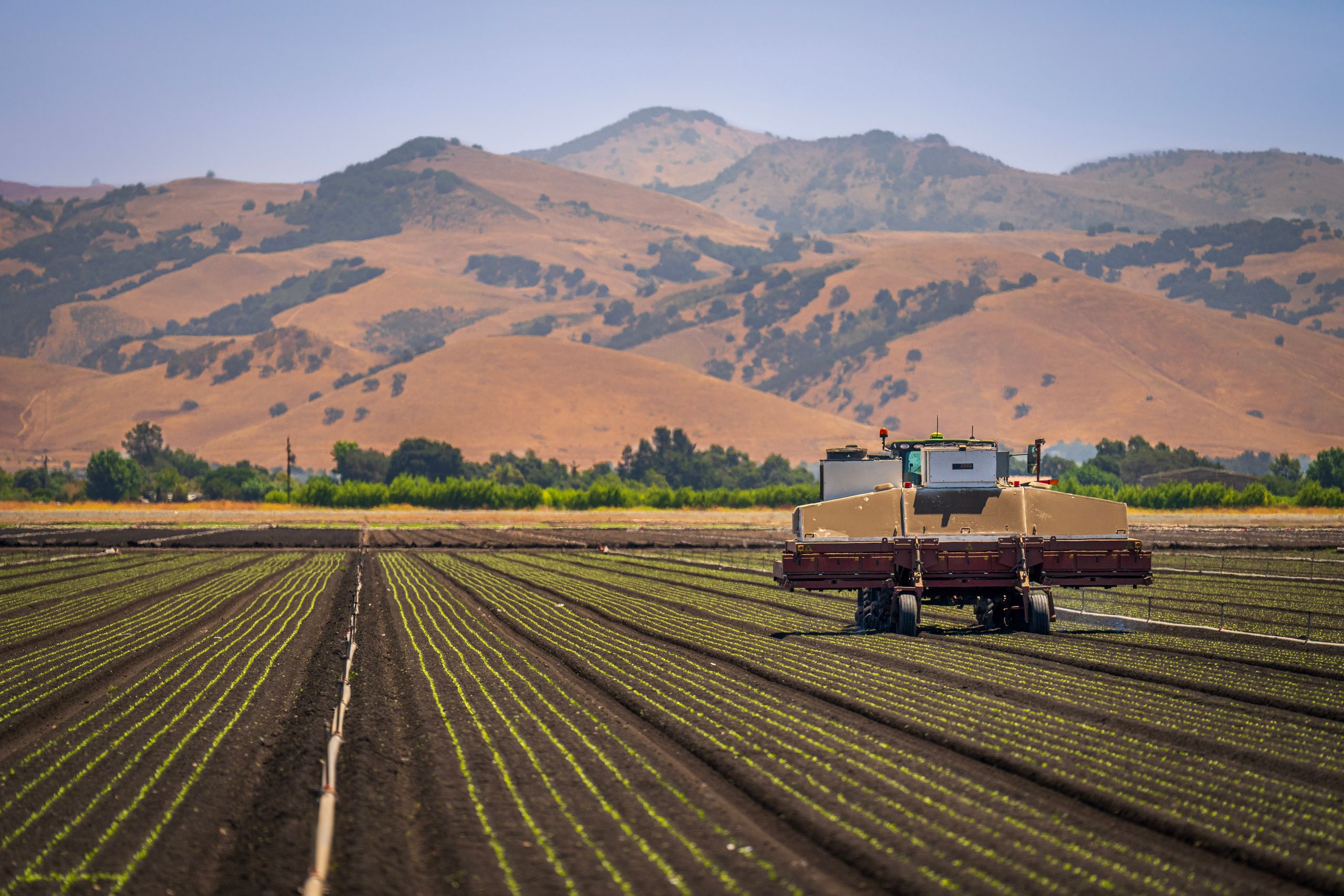
One notable Colorado example is BOPA Precision Agriculture, based in La Junta.
The company has developed the Autonomous Nano Tractor, or ANT, which it markets specifically to small and midsize farms.
According to BOPA, its autonomous tractors can perform tasks including weeding and spraying. The company provides the machines through a membership program that includes planning, training, software, and technical support.
That approach addresses one of the biggest obstacles facing small farms: the cost and complexity of agricultural technology.
Instead of expecting a farmer to purchase an autonomous system and figure out how to operate and maintain it alone, BOPA says its program provides ongoing support.
The company currently advertises an ANT lease at $20,000 per unit, although it says final pricing is customized according to a farm’s size, crops, and needs. The advertised price includes equipment support, software, remote assistance, field technicians, and repairs.
Because these figures come from BOPA rather than an independent cost study, farmers would need to calculate their own potential return on investment.
Small Machines Could Change Agricultural Automation
For a large commercial farm, expensive machinery can be spread across thousands of acres.
Small farms face a different calculation.
A farmer operating a few dozen acres may not need a massive autonomous tractor. A smaller machine designed specifically for row crops could be more appropriate.
BOPA says its ANT is designed for crops including beans, beets, potatoes, cabbage, broccoli, and chilies, among others. The company says one ANT can handle an average of 500 acres of weeding responsibilities per year, although actual capacity depends on field conditions and the task being performed.
Those are company-reported figures rather than independent performance measurements, but they illustrate the type of smaller-scale automation being developed for growers.
Colorado State University Is Testing the Technology in the Field
Companies are not the only ones evaluating the technology.
Colorado State University Extension has helped bring agricultural robotics directly to Colorado producers.
During its 2023 demonstration in Rocky Ford, CSU reported that robotic systems from companies including Carbon Robotics, Stout Ag Tech and BOPA were demonstrated, while representatives from other robotics companies participated in discussions with growers.
The goal was not simply to showcase futuristic equipment. CSU said the demonstrations were intended to help Colorado growers understand how the technologies differ, how they might be financed, what challenges farmers face when using them, and how repairs and customer support work.
That type of field-level evaluation is important because a robot that performs well under demonstration conditions still has to work reliably in real farm environments.
Robots Could Assist Farmers Rather Than Replace Them
The arrival of agricultural robots does not necessarily mean eliminating human labor.
Instead, the technology may take over some of the most repetitive and physically demanding work.
A farmer could use a robot to cultivate between rows while workers focus on harvesting, crop management, irrigation, and other activities that require human judgment.
CSU Extension has noted that agricultural automation could help farms address labor challenges, while people remain necessary for decision-making, maintenance, and other responsibilities.
For small farms, that distinction could matter even more.
The farmer may be the owner, manager, equipment operator, and field worker all at once. Saving several hours of repetitive labor can therefore have value even if no employee is replaced.
The Cost of Technology Remains a Major Question
The biggest challenge may ultimately be economics.
USDA research shows that smaller farms have generally adopted precision-agriculture technologies at lower rates than larger farms. That reflects, among other factors, the difficulty of spreading technology costs over a smaller production base.
And CSU has warned that some of the most advanced robotic systems could be difficult for small and midsize operations to justify financially.
That is why leasing, memberships, and robotics-as-a-service models could become important.
Rather than purchasing an expensive machine outright, a farmer could pay for access to the technology and the support needed to operate it.
BOPA’s membership approach is one example of that model.
Weeding May Be Just the Beginning
Weeding is currently one of the clearest applications for farm robots, but agricultural automation could eventually extend much further.
Researchers and companies are developing systems for crop monitoring, precision spraying, harvesting, transportation, and other tasks.
The challenge increases when robots must handle delicate produce. Identifying a weed is considerably easier than identifying a ripe peach, reaching it through branches and picking it without causing damage.
That is one reason autonomous weeding has become an early focus of agricultural robotics in Colorado.
Colorado Could Become an Important Test Ground
Colorado’s mix of specialty-crop farms, agricultural research, and technology development makes the state an important place to watch as agricultural robotics evolves.
CSU Extension continues to provide agricultural research and practical resources for producers ranging from small-acreage operations to large-scale agriculture.
Meanwhile, BOPA says it is developing technology specifically for small and midsize farms, with its headquarters in La Junta.
The result is a glimpse of what the next generation of farming could look like.
It may not be a completely automated farm filled with humanoid machines. Instead, it could be a farmer working alongside several specialized robots: one handling weeds, another monitoring crops, and others eventually helping with transportation or harvesting.
For Colorado’s small farms, the promise of AI-powered robotics is less about replacing the farmer and more about giving farmers another tool to tackle some of agriculture’s hardest problems.
The technology still has to prove that it can be reliable and financially worthwhile at small-farm scale. But with robots already being demonstrated in Colorado fields and companies developing machines specifically for smaller producers, the state’s farmers are no longer waiting for the future of agricultural automation to arrive.
Other post you might like:

