

The post Some Restaurants Are Saying No to AI-Generated Food Photos. Check out the Reasons first appeared on Crafting Your Home.
For years, restaurants have relied on beautiful food photography to make customers hungry before they even walk in. A perfectly captured burger, a steaming bowl of pasta, or a colorful dessert can be the difference between someone scrolling past a menu and making a reservation.
But a new debate is changing the way restaurants think about those images. Some businesses are stepping away from AI-generated food photos, arguing that while artificial images may save time and money, they can create a disconnect between what customers see online and what arrives at the table.
The issue is not simply whether artificial intelligence can create attractive pictures. The bigger question is whether a restaurant’s most important marketing tool should show a real dish prepared by real people or a computer-generated version that only looks like food.
Recent criticism of AI-generated restaurant imagery has focused on authenticity, customer expectations, and the strange visual mistakes AI systems sometimes produce. Some restaurants have faced public backlash after using AI-created food images in menus and promotional materials.
As artificial intelligence becomes more common in business, restaurants are finding themselves caught between two competing priorities: the efficiency of new technology and the emotional connection customers have with real food.
The Problem: Customers Want to See What They Are Actually Ordering

Food photography has always involved some level of styling. Professional photographers use lighting, careful arrangements, and editing techniques to make dishes look their best. However, traditional food photography still begins with a real plate of food created by a kitchen team.
AI-generated images change that relationship because the dish in the picture may never have existed. The image can show a meal that looks appealing but doesn’t reflect the restaurant’s actual preparation, ingredients, portion size, or presentation.
That difference matters because food is an experience built around trust. When customers look at a menu photo, many expect it to represent what they will receive after placing an order.
Food and hospitality experts have raised concerns that unrealistic visuals can create disappointment when customers compare the image they saw online with the meal delivered at the restaurant. Researchers examining AI-generated versus real food images have also explored how artificial images may influence perceptions of value and trust among consumers.
The challenge for restaurants is balancing making food look appealing with keeping marketing materials honest.
A beautiful image may attract attention, but a realistic image helps build confidence.
Why Some Restaurants Believe AI Images Hurt the Dining Experience
One reason some restaurants reject AI-generated food photos is that dining isn’t only about appearance. It is also about craftsmanship, culture, and the human effort behind a meal.
Restaurants often spend years building their identity around their chefs’ personalities, ingredient quality, and the atmosphere they create. For some owners, replacing real photographs with artificial images can feel like removing the human story behind the food.
Food critics and industry observers have pointed out that AI-generated food images can sometimes appear unnatural, with strange textures, unrealistic shapes, or details that make viewers uncomfortable rather than hungry. Research into how AI image models work suggests that these systems can struggle with complex structures and realistic details, which may contribute to unusual-looking food visuals.
This problem is especially noticeable with foods that have complicated textures, such as noodles, layered dishes, pastries, or meals with many small ingredients. AI can imitate the general appearance of food without fully understanding how real food looks and behaves.
The result can be an image that appears impressive at first glance but feels slightly wrong when examined more closely.
For restaurants that depend on customer trust, that small feeling of doubt can become a major problem.
AI Is Attractive Because It Solves Real Business Problems
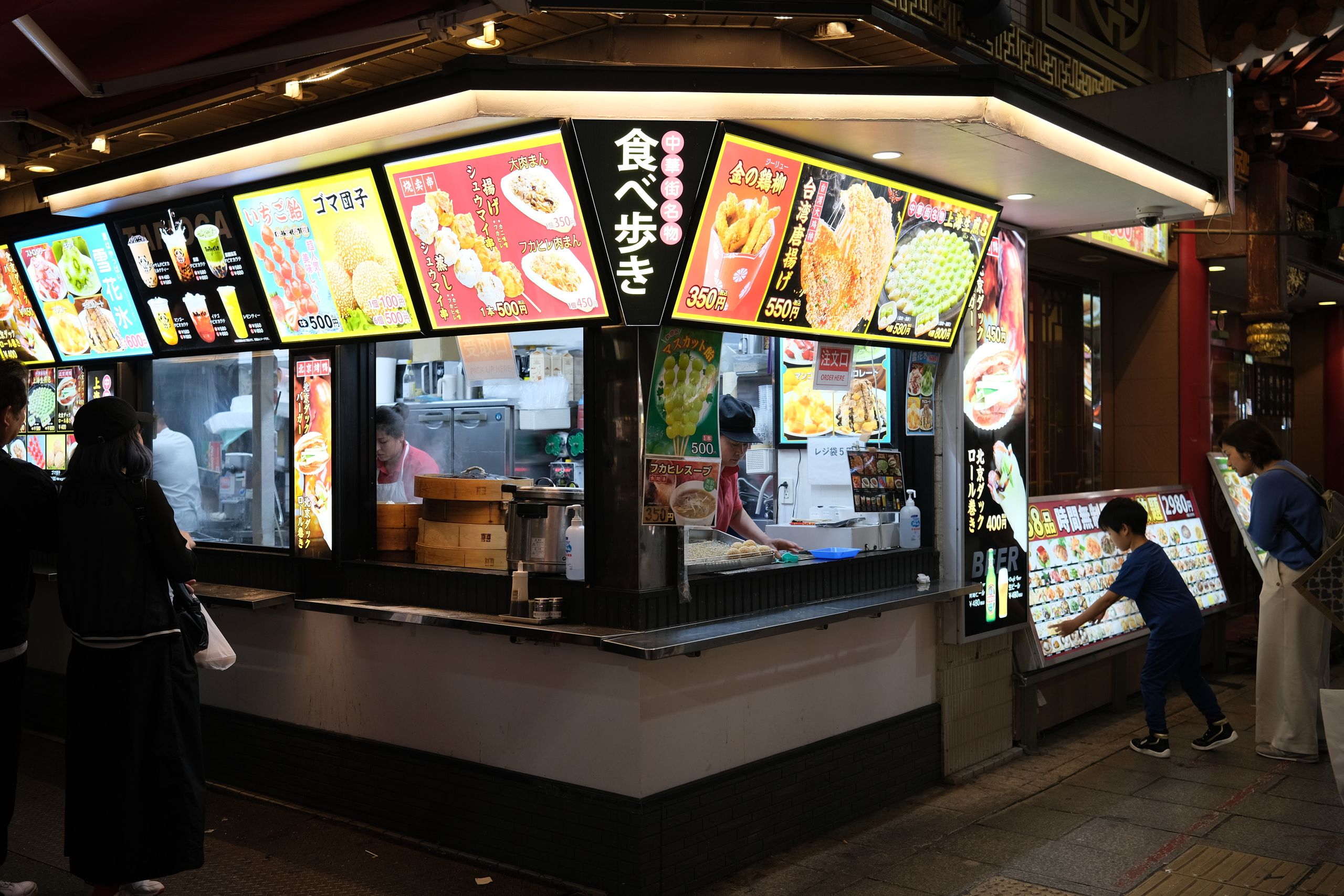
Despite criticism, it’s understandable why some restaurants use AI food images. Running a restaurant is expensive, and professional photography can require time, money, and planning.
Small businesses especially may struggle with the cost of hiring photographers, food stylists, and designers for every menu update. AI tools offer a faster way to create promotional materials, test ideas, or fill temporary marketing needs.
A 2026 report from the National Restaurant Association found that some restaurant operators are already using AI tools in areas such as marketing and business operations.
For a restaurant owner trying to promote a new menu item quickly, AI-generated visuals may seem like an efficient solution.
However, critics argue that restaurants need to be careful about where they use the technology. AI may help with brainstorming, design support, or behind-the-scenes tasks, but customer-facing images create different expectations.
Customers don’t simply buy a meal. They buy the promise of an experience.
The Backlash Shows That People Still Value the Human Touch
The growing resistance to AI food images reflects a larger cultural conversation about technology replacing human creativity. In restaurants, the debate is especially emotional because food has always been connected to human skills and traditions.
Some restaurants are choosing handmade signs, real photography, and imperfect but authentic visuals to stand apart. According to Eater, some businesses have leaned into more traditional and handcrafted approaches as consumers react negatively to excessive AI-generated content.
That shift does not mean restaurants are rejecting technology completely. Many businesses continue to use digital tools for scheduling, inventory, customer communication, and other operational needs.
Instead, the debate is becoming more specific: where does technology help, and where does it take away something customers value?
For many diners, seeing a real plate of food created by a real kitchen still carries emotional weight.
Transparency May Become the New Standard for Restaurant Marketing
As AI-generated content becomes easier to create, transparency may become increasingly important. Customers are becoming more aware that not every image they see online represents reality.
Restaurants using AI visuals may need to think carefully about whether those images could create confusion. The issue is not simply whether a picture was made by a machine; it is whether customers understand what they are seeing.
The hospitality industry has always depended on relationships. A restaurant earns loyalty by delivering on its promises, from food quality to atmosphere and service.
Artificial intelligence can be a useful tool, but many restaurants believe the most powerful image is still the simplest one: a real dish, made by real people, photographed honestly.
In a world filled with artificial images, authenticity may become one of the most valuable ingredients a restaurant can offer.
Other Posts You Might Like
-
9 Things Retired Americans Wish They Had Done Differently Before Age 60
-
15 Powerful Tips for Staying Motivated to Work Out and Achieve Your Fitness Goals
If you like what you just read, then subscribe to our newsletter and follow us on social media.


