This posts Why Some Friendships Fade Without a Fight and What It Really Means first appeared on Crafting Your Home
Not every friendship ends with an argument, betrayal, or a final goodbye. Sometimes, two people who once shared everything gradually become strangers. Messages become less frequent, phone calls stop, and eventually neither person knows how to restart the conversation.
This kind of distance can be confusing because there is no obvious reason to explain what happened. One day, someone who knew almost everything about your life becomes a person you barely speak to.
But friendship researchers have explored how relationships change over time, and their findings suggest that friendships can fade for several reasons without either person deliberately ending them.
Life Changes Can Quietly Create Distance

Think about friendships formed in school, university, or at a former workplace. These relationships often develop because people see one another regularly and share experiences.
After graduation, however, everyone begins moving in different directions. One person might relocate for work, another might start a family, and someone else might take on new responsibilities.
Without regular time together, maintaining the friendship takes more deliberate effort.
Research published in Current Opinion in Psychology examined how adult friendships end and identified situational, personal, and interpersonal factors that can influence whether relationships gradually fade or end more directly.
This helps explain why two people can care about each other yet communicate less frequently than they once did.
Distance does not always mean the friendship was meaningless. Sometimes, the circumstances that originally brought two people together have changed.
Related: 8 Things a Wife Should Never Do Just to Keep Her Husband Happy
Silence Does Not Always Mean Someone Is Angry
When a close friend stops reaching out, it is natural to wonder whether something went wrong.
Did you say something offensive? Have they found new friends? Are they deliberately avoiding you?
Those questions can become overwhelming when neither person explains the change.
However, friendships do not always end because of a specific disagreement. Research on friendship dissolution among young people found that some close friendships gradually faded as people grew apart. In contrast, others ended because of changing feelings, disagreements, or betrayal.
In some situations, reduced communication becomes a pattern. One person assumes the other is busy, while the other waits for the first person to make contact. Eventually, both become accustomed to the silence.
That does not mean every disappearing friend secretly wants to return. It simply means silence alone cannot tell you exactly what another person is thinking.
If the friendship matters to you, a simple message asking how they’re doing can sometimes open the door to an honest conversation.
People Can Outgrow Certain Parts of a Friendship
People change as they gain experience, encounter new responsibilities, and develop different priorities.
Two friends who once shared the same interests may discover that they no longer see important things the same way. One might want a quieter lifestyle, while the other prefers the routines they enjoyed years earlier.
Sometimes, the friendship remains healthy despite these differences. In other cases, the emtional connection weakens because the people involved no longer feel understood by each other.
Growing apart does not automatically make either person wrong.
The important question is whether both people can respect their differences and continue building a relationship that works for them.
You can also appreciate the role someone played in your life without expecting the relationship to stay exactly as it was.
A friendship can be genuine and meaningful even if it doesn’t last forever.
Some Friendships Need Effort From Both People

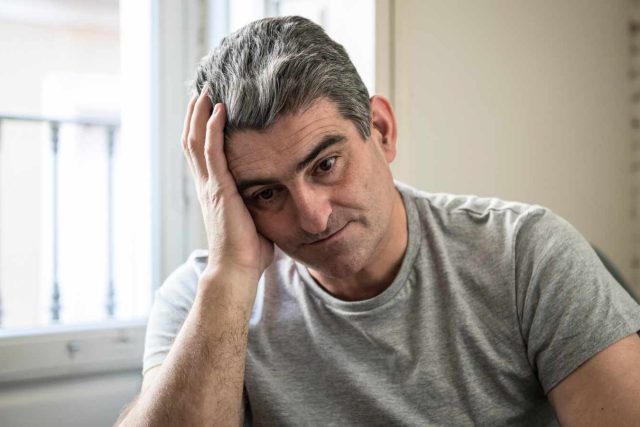
gorynvd/123rf
Friendship usually requires more than memories of the good times. Checking in, listening, making plans, and showing up when needed can help people maintain their connection.
If one person consistently initiates conversations and arranges meetings, the relationship may eventually feel unbalanced.
That does not mean every friendship must involve perfectly equal communication every week. People have different schedules, personalities, and ways of expressing affection.
However, repeated disinterest from one person can make the other feel as though the relationship matters only to them.
Rather than ending the friendship immediately, it may help to communicate honestly about the distance and see whether both people want to reconnect.
If only one person keeps trying, you may need to adjust expectations and accept that the relationship has changed.
The Bottom Line
Some friendships end through conflict, but others fade gradually as life changes, priorities shift, and communication becomes less frequent.
A quieter friendship isn’t necessarily a failed one, and distance alone doesn’t prove someone stopped caring.
Sometimes, reaching out can help rebuild the connection. Other times, accepting that the relationship has changed may be the healthiest response.
The important thing is to recognize that not every friendship needs a dramatic ending to become different.
One question worth asking: Can a friendship still be meaningful even when two people are no longer as close as they once were?
Other Post You Might Also Like
If you like what you just read, then subscribe to our newsletter and follow us on social media.