

The post The September Garden Mistakes That Can Ruin Next Spring’s Blooms first appeared on Crafting Your Home.
September has a way of making a garden look like it needs a haircut. The summer growth has gotten shaggy, some shrubs look overgrown, and the pruning shears start calling from the shed. According to professional gardeners and university extension experts, that instinct quietly wipes out next spring’s flower display in yards across the country.
The Single Biggest Mistake: Pruning the Wrong Shrubs
Not all flowering shrubs work the same way, and the distinction matters enormously in September. According to Penn State Extension’s guidance on pruning flowering shrubs, plants like lilacs, forsythia, magnolias, and azaleas produce their blooms on old wood, meaning the flower buds for next spring have already formed by fall, hidden along stems that look completely ordinary right now.
Prune those branches in September, and you are not tidying the plant. You are removing next spring’s flowers before winter even arrives. A professional gardener writing for Homes & Gardens described making exactly this mistake with a lavender hedge, trimming it a little too late in the season, only to find the cold arrived early, and the freshly triggered new growth never had time to harden off before frost. The plant looked neat for a few weeks. The following spring, the display suffered as a result.
Homes & Gardens specifically flags oakleaf hydrangeas as a common casualty of this mistake, since this year’s stems are already forming next year’s flowers by late summer, and snipping them off in September leaves gardeners staring at bare branches instead of blooms the following year.
Not All Pruning Delays Are Equal
A second layer of this mistake trips up even careful gardeners: mixed hedges. A single boundary planting can include both spring-blooming and summer-blooming shrubs standing side by side, and a uniform trim across the whole row treats them identically, even though only half can actually tolerate it. Summer-flowering shrubs generally bloom on new growth produced during the current season, so they can typically handle a later trim without sacrificing next year’s flowers. Spring bloomers, forming their buds the previous year, cannot. According to extension guidance, the safest approach is to identify each shrub individually before cutting anything, rather than assuming a hedge behaves as a single unit.
Related : 9-kitchen-trends-making-homes-feel-more-personal-and-less-showroom-perfect
Storm Damage Is a Real Exception, Overreach Isn’t
Not every September pruning instinct is wrong. A broken or hanging branch, whether from a storm or general damage, should come off regardless of the season, since safety and plant health take priority over preserving a handful of blooms. The mistake happens when a legitimate damage repair turns into an excuse to reshape the plant more broadly.
According to gardening guidance on this exact pattern, cleaning up a single cracked limb is smart care. Using that same moment to reshape an entire shrub is where gardeners accidentally remove healthy, bud-bearing wood that had nothing to do with the original damage.
Leave Spring Bulb Foliage Alone, Even When It Looks Done
Bulbs make the same mistake. By September, daffodil and tulip foliage has often died back completely, looking finished and ready to be cleared away. According to gardening guidance on fall bulb care, removing that dead foliage is fine, but digging blindly in that same soil to tidy up the bed risks slicing into the bulbs just beneath the surface and damaging the very structure responsible for next spring’s flowers.
Related: does-a-pool-increase-a-homes-value
Hard Renewal Cuts Backfire in the Fall
Some gardeners take a more aggressive approach to overgrown shrubs, cutting them back by a third or more to force fresh growth. According to horticultural guidance on seasonal pruning mistakes, that kind of hard renewal cut causes particular trouble in fall on shrubs like gardenias or camellias, since it removes mature wood and the new shoots that replace it will not be old enough or mature enough to produce flowers by spring.
What to Do with That September Energy Instead
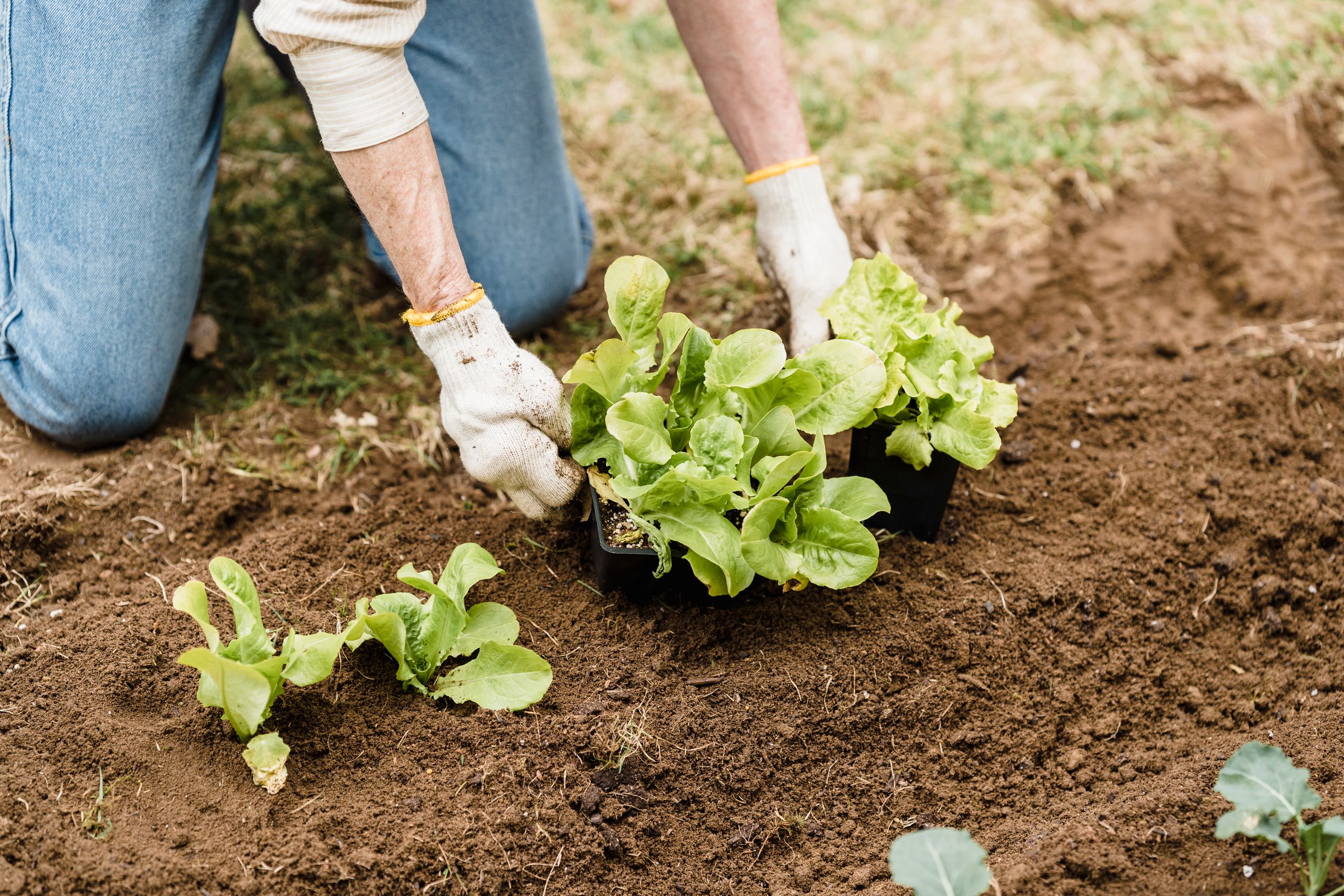
None of this means September has to be a hands-off month in the garden. According to extension guidance, plenty of productive work is available that doesn’t touch a single flower bud. Fall is a strong window for planting new shrubs, since the soil stays warm enough for roots to establish before the ground freezes. Dividing crowded perennials, mulching bare beds, and cleaning garden tools with rubbing alcohol ahead of next season are all worthwhile tasks that channel the same tidying instinct somewhere productive.
The simplest safeguard, according to gardening guidance on this exact seasonal trap, is learning to check for flower buds before cutting anything back. If a shrub shows small, developing buds along its stems, it’s likely a spring bloomer already carrying next year’s display, and the pruning can wait until shortly after it finishes flowering, when it becomes much easier to see exactly which branches need attention.
The Bigger Pattern
Every one of these mistakes shares the same root cause: treating September as a universal cleanup month rather than checking each plant’s individual schedule first. According to the experts who study this pattern year after year, the fix costs nothing and requires no special tools, just a pause before the first cut, and a willingness to let a slightly shaggy-looking shrub stay exactly as it is until spring proves the wait was worth it.
Other posts you might like
- things-nobody-warns-you-about-before-buying-your-first-home
- six-things-homeowners-never-regret-buying
f you like what you just read, then subscribe to our newsletter and follow us on social media.


