

Food has a funny way of dressing itself in national colors. A dish can travel for centuries, pick up a new accent, settle into a new home, and then quietly convince the world it was born there.
That may be why some of the most famous “national” foods feel so certain on the surface and so wonderfully slippery once you start looking closer.
Tempura
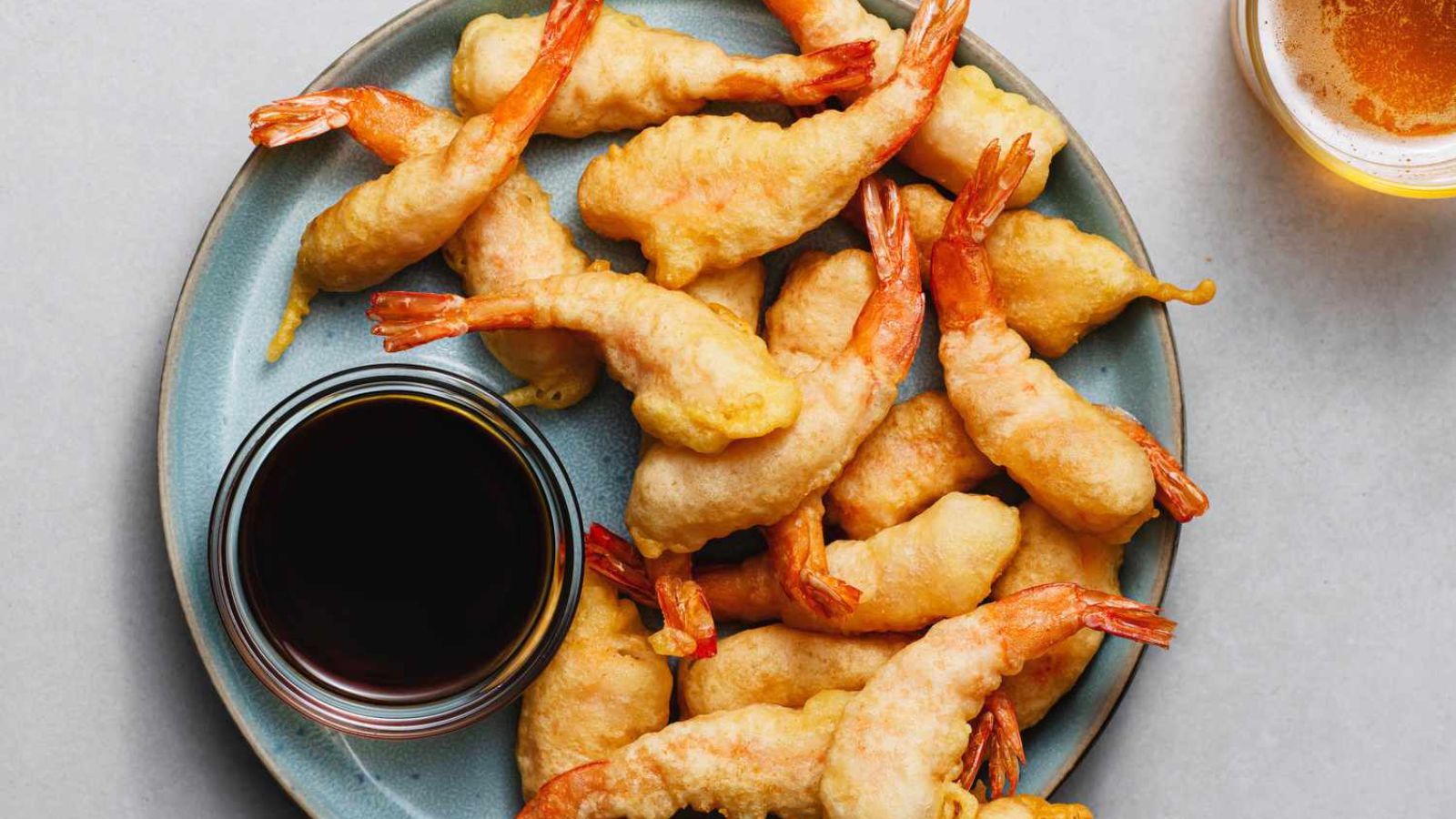
Tempura feels unmistakably Japanese today, light, crisp, elegant, and almost ceremonial in the way it arrives at the table. Yet its earliest ancestor appears to have come from Portuguese missionaries and traders who brought battered, fried food techniques to Japan in the 16th century.
From there, Japanese cooks seem to have refined the idea into something far more delicate and distinctly their own, which makes tempura less a stolen identity and more a remarkable culinary transformation.
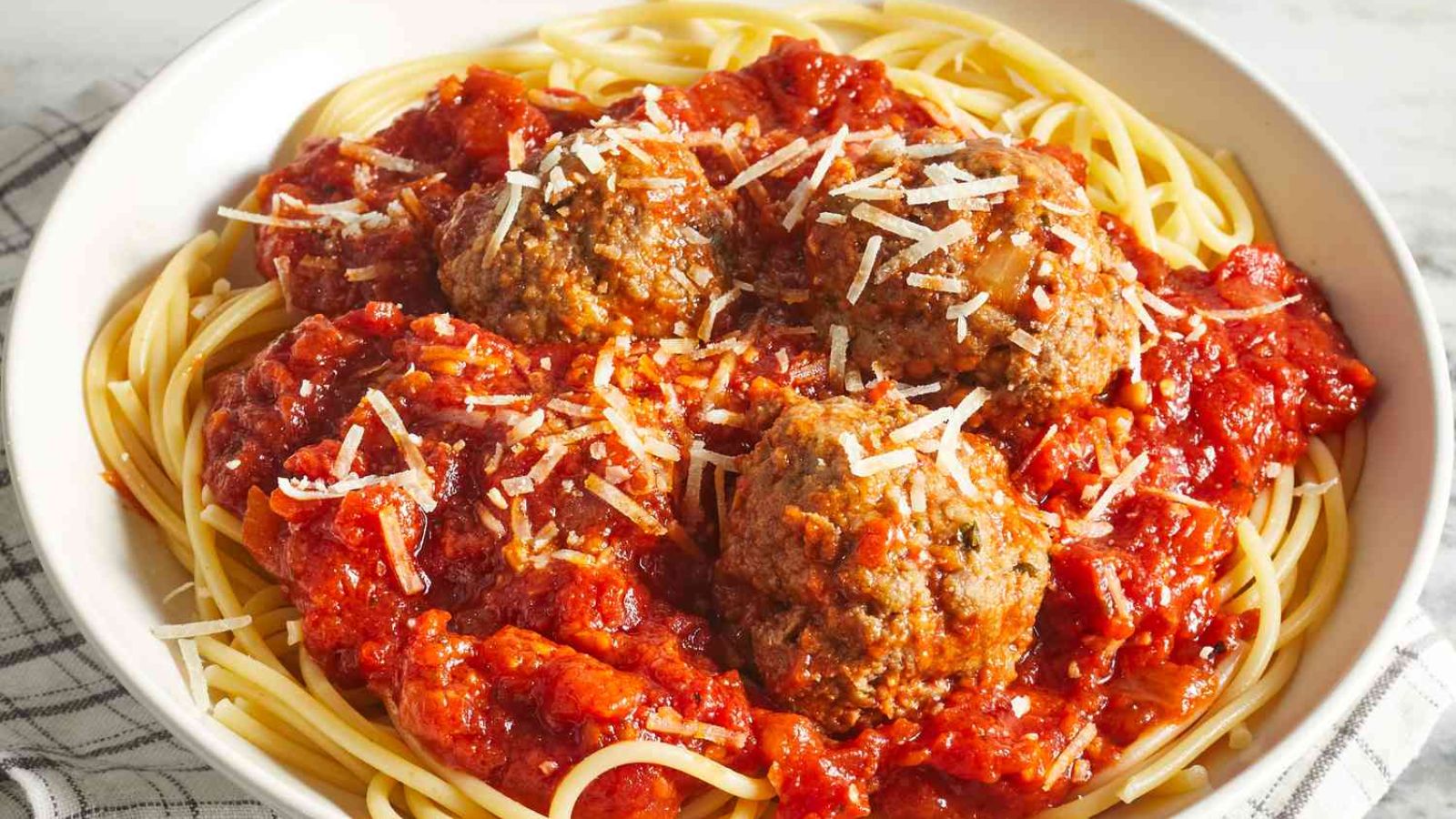
Pasta With Red Sauce
It is tempting to imagine pasta with tomato sauce as an eternal Italian truth, as if it arrived fully formed with checked tablecloths and candlelight. But tomatoes reached Europe from the Americas, and historians note that tomato sauce entered Italian cookbooks later than many people assume, with pasta and tomato becoming a familiar pairing only over time.
So the dish is certainly tied to Italy now, but its road to becoming iconic seems to have been slower, more layered, and more international than the myth suggests.
Sauerkraut
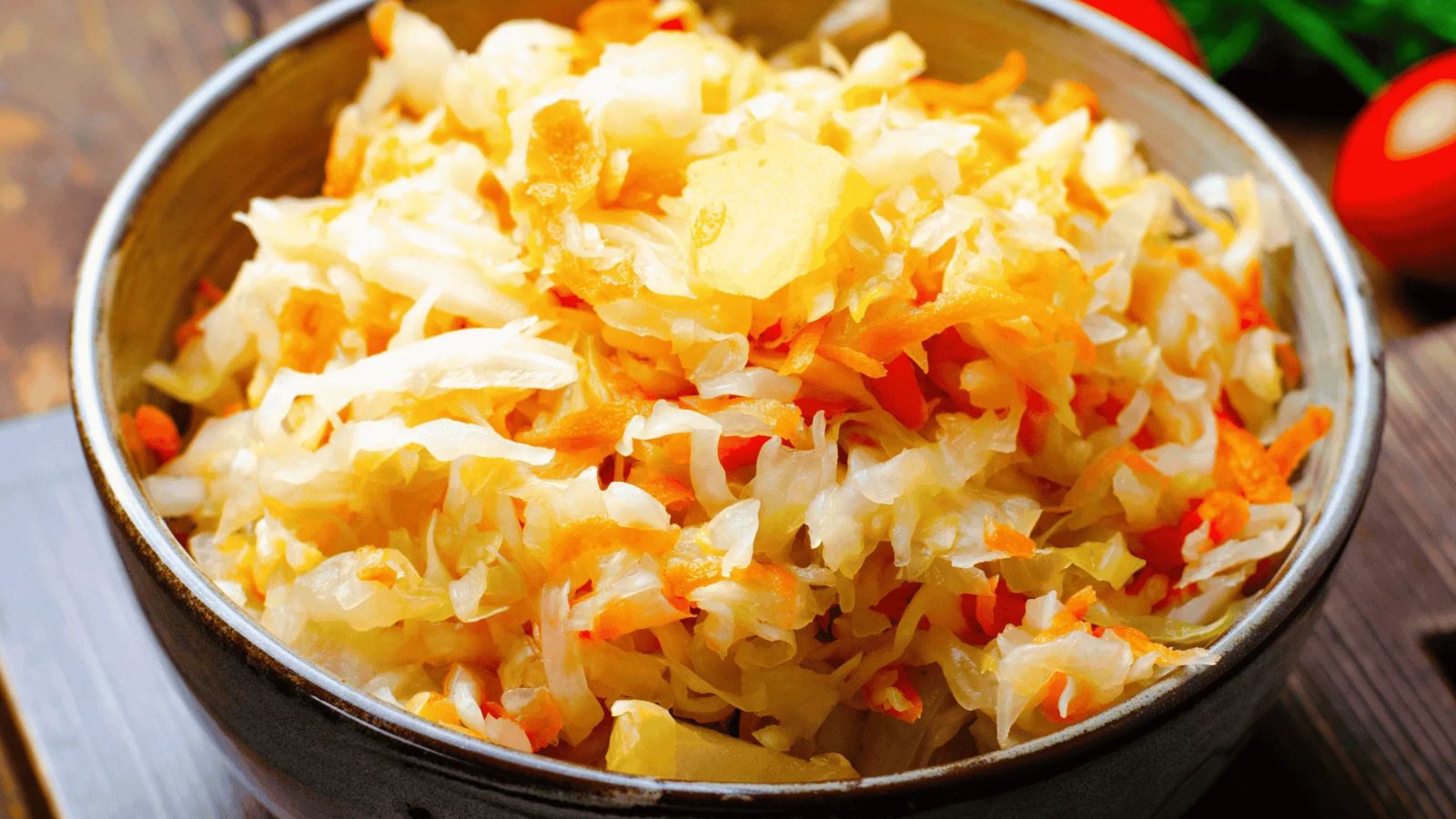
Sauerkraut sounds so German that the name almost settles the argument before it starts. Still, several food histories suggest fermented cabbage traditions existed long before Germany became the dish’s cultural shorthand, with Britannica noting links to Roman preservation methods and later reintroduction from China via the Tatars.
In other words, Germany may have given sauerkraut its most famous identity, but the roots of the idea seem older and less neatly national.
The Croissant
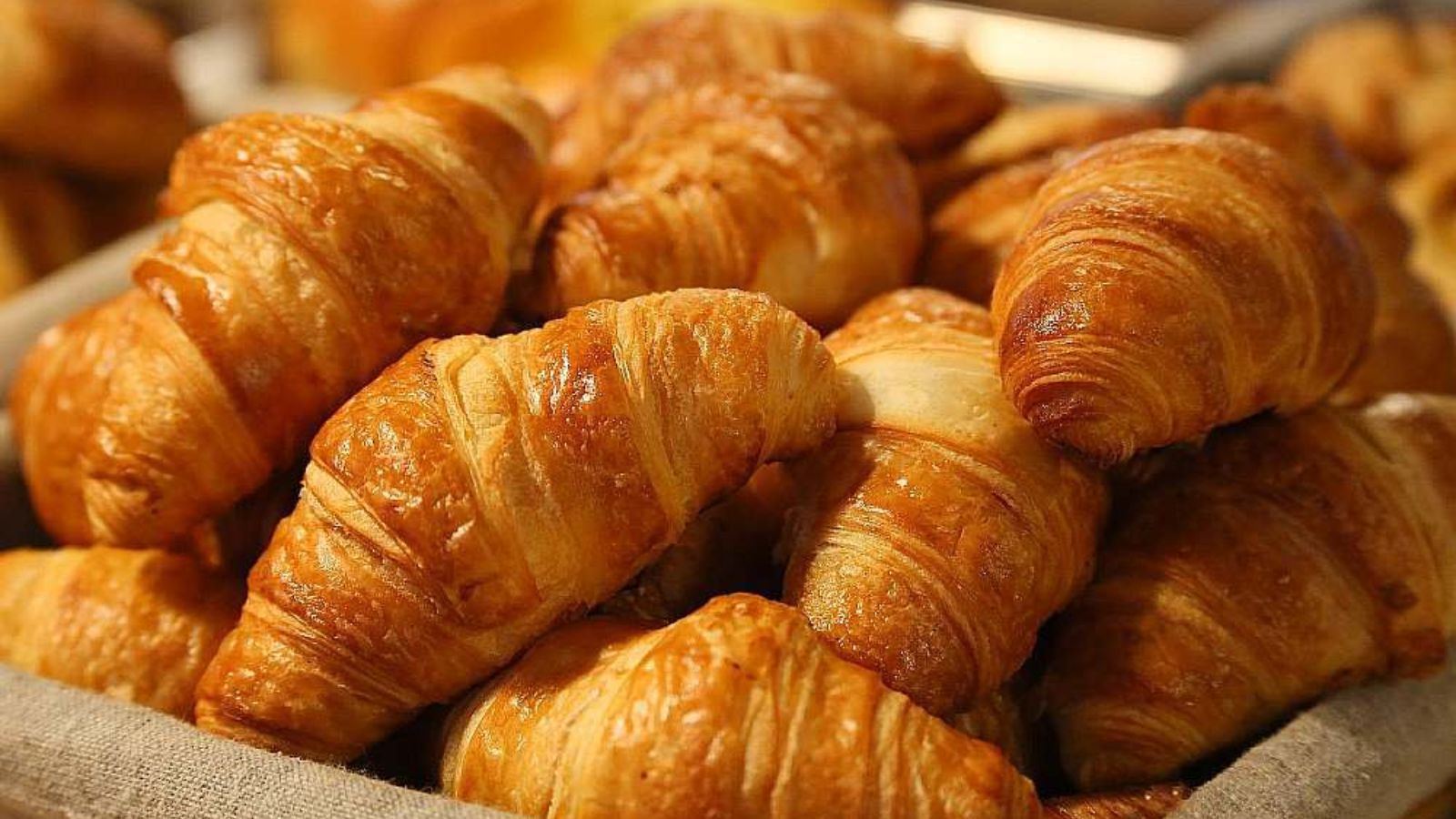
The croissant is one of those foods that seems to walk into the room wearing a Parisian perfume. Even so, historians generally agree that it was inspired by the Austrian kipferl, a crescent shaped pastry that predates the modern French version by centuries.
France appears to have taken that older form, laminated it with butter, sharpened its texture, and turned it into the flaky symbol we know now, which makes the croissant feel less like a pure invention and more like a brilliant reinvention.
Caesar Salad

Caesar salad somehow manages to sound Roman, American, and vaguely upscale all at once. Yet the strongest historical consensus places its birth in Tijuana, Mexico, where restaurateur Caesar Cardini is widely credited with creating it in 1924.
That detail gives the salad a borderland identity that feels fitting somehow, Italian by name, Mexican by birthplace, and later embraced by American dining culture with enormous enthusiasm.
Frog Legs
Frog legs are so heavily coded as French that challenging the idea almost feels impolite. Even so, archaeological finds near Stonehenge uncovered charred amphibian bones dating back thousands of years, which researchers described as the earliest known evidence of cooked frog or toad legs.
That does not erase France’s role in making the dish famous, but it does suggest the earliest chapter may have been written on British soil rather than in a French kitchen.
Fortune Cookies
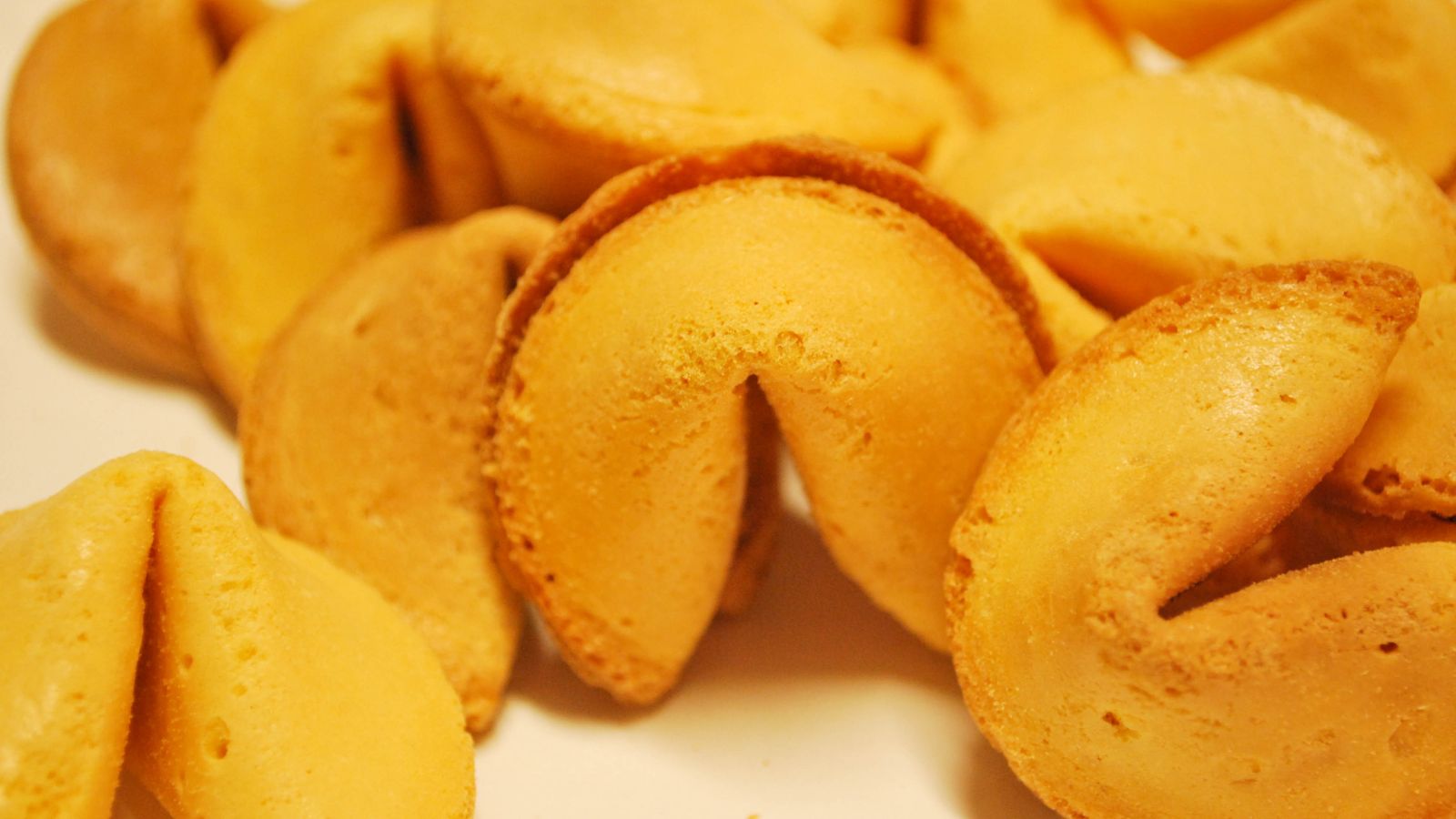
photo by Javid Hashimov via pexelsFortune cookies may be one of the neatest examples of culinary confusion dressed up as certainty. History.com reports that the cookie likely reached the United States through Japanese immigrants, while research highlighted by YaleGlobal points to Japanese precedents that appeared before fortune cookies became common in American Chinese restaurants.
The result is a dessert that many people still call Chinese, even though its story seems to run through Japan and then bloom inside Chinese American restaurant culture.
Cheesecake
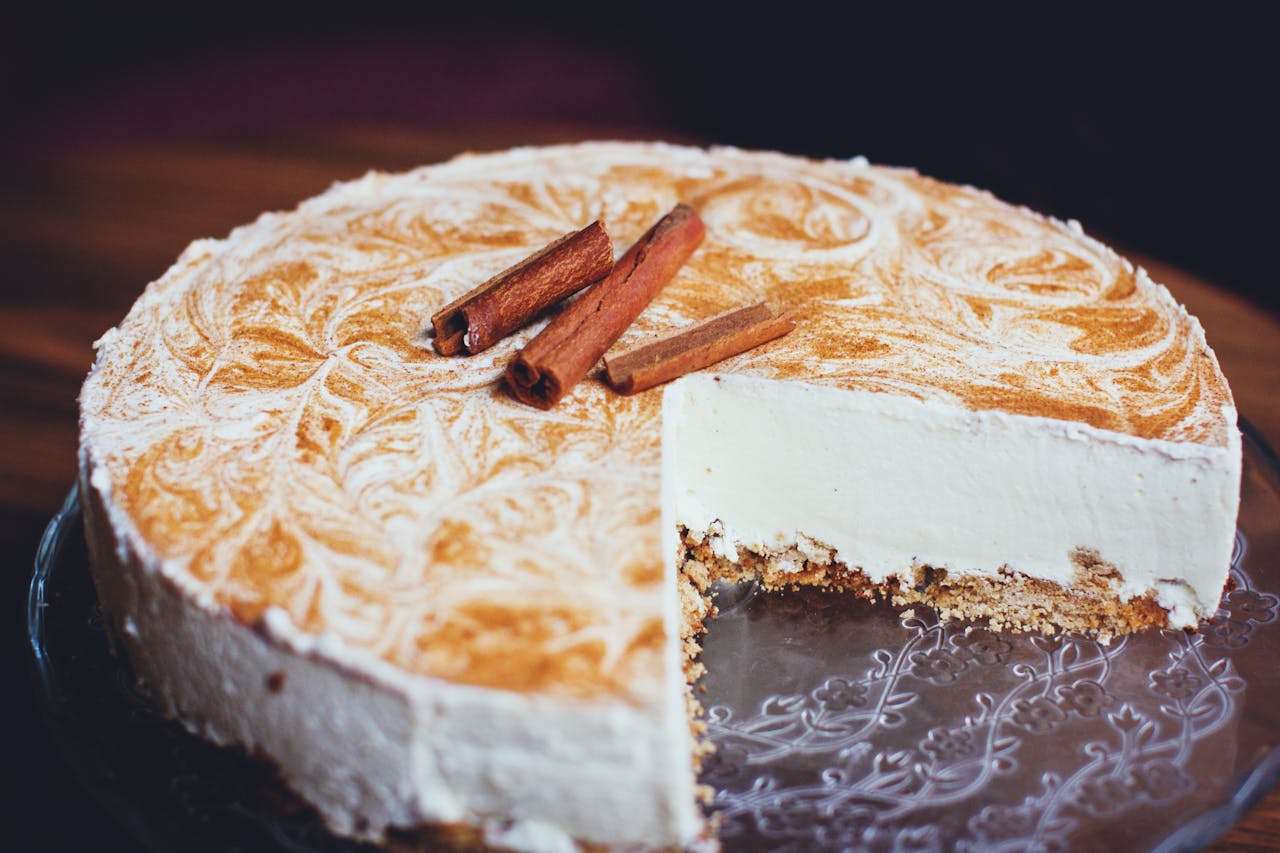
New York cheesecake has such a powerful identity that it can make the whole dessert feel American by default. Yet food historians trace cheesecake like desserts back to ancient Greece, where early versions were made from simple ingredients such as cheese, honey, and grain.
New York did not invent the idea so much as give it one of its richest and most famous modern personalities.
Conclusion
Perhaps that is the real charm of food history. The dishes we treat as fixed national symbols often turn out to be travelers, translators, immigrants, and shape shifters, changed by trade routes, war, religion, migration, and plain old appetite.
If anything, these origin stories do not make the foods less meaningful, they may make them richer, because they remind us that what lands on a plate is rarely from just one place.


