

Food is not just a necessity; it’s a journey through time. The foods we eat today have stories, sometimes ancient, sometimes unexpected, that shape the way we think about ingredients and meals. Have you ever stopped to wonder about the origin of your favorite dishes? The history of food is filled with tales of ingenuity, trade, and cultural exchange, each dish carrying a legacy that tells us not just about the people who created it, but the world they inhabited.
Read on to discover how the intriguing histories behind some of the world’s most popular and beloved foods. From ancient meals to modern culinary delights, these foods didn’t just appear out of nowhere—they evolved through centuries of tradition, innovation, and sometimes, serendipity.
Caviar

While many think of caviar as an exclusive luxury enjoyed by the elite, its history dates back over 6,000 years. Archaeological findings from a Mesolithic settlement near Berlin reveal that ancient humans were already indulging in a sophisticated form of caviar. This caviar was not served on crackers at a lavish dinner party, but instead cooked in a fish broth, adding a rich depth of flavor to a soup that would easily fit in a Michelin-star restaurant today.
The use of freshwater carp roe, combined with herbs and leaves, highlights the complex culinary techniques of early societies. This 4,300 BC caviar soup wasn’t just a meal—it was a reflection of the refined palate and cooking techniques of Mesolithic people. In fact, this discovery suggests that the people of this period were far more advanced in their food preparation than we might expect, opting for delicate, flavor-packed dishes instead of basic, rough-hewn meats.
Their culinary practices laid the groundwork for the complex dishes we enjoy today.
Vanilla
Vanilla, a modern-day culinary staple, has a surprisingly royal and spiritual history. While many associate vanilla with Mexico and its rich cultural history, evidence points to an even older origin in the ancient world. In the 14th century BC, vanilla was already in use in the Levant.
Archaeologists uncovered vanillin compounds in a Bronze Age tomb in Israel, suggesting that vanilla had long been a prized spice in the Mediterranean world. These remnants were discovered in vessels found alongside royal Canaanite burials, indicating that the spice was valued not just for its flavor but also as a sacred offering to the gods.
This discovery challenges the idea that vanilla was exclusively a product of the Americas, shedding light on the complex trade routes of the ancient world and the value placed on exotic spices. In a way, vanilla was not just a flavor but a symbol of wealth, power, and reverence.
The Noodle
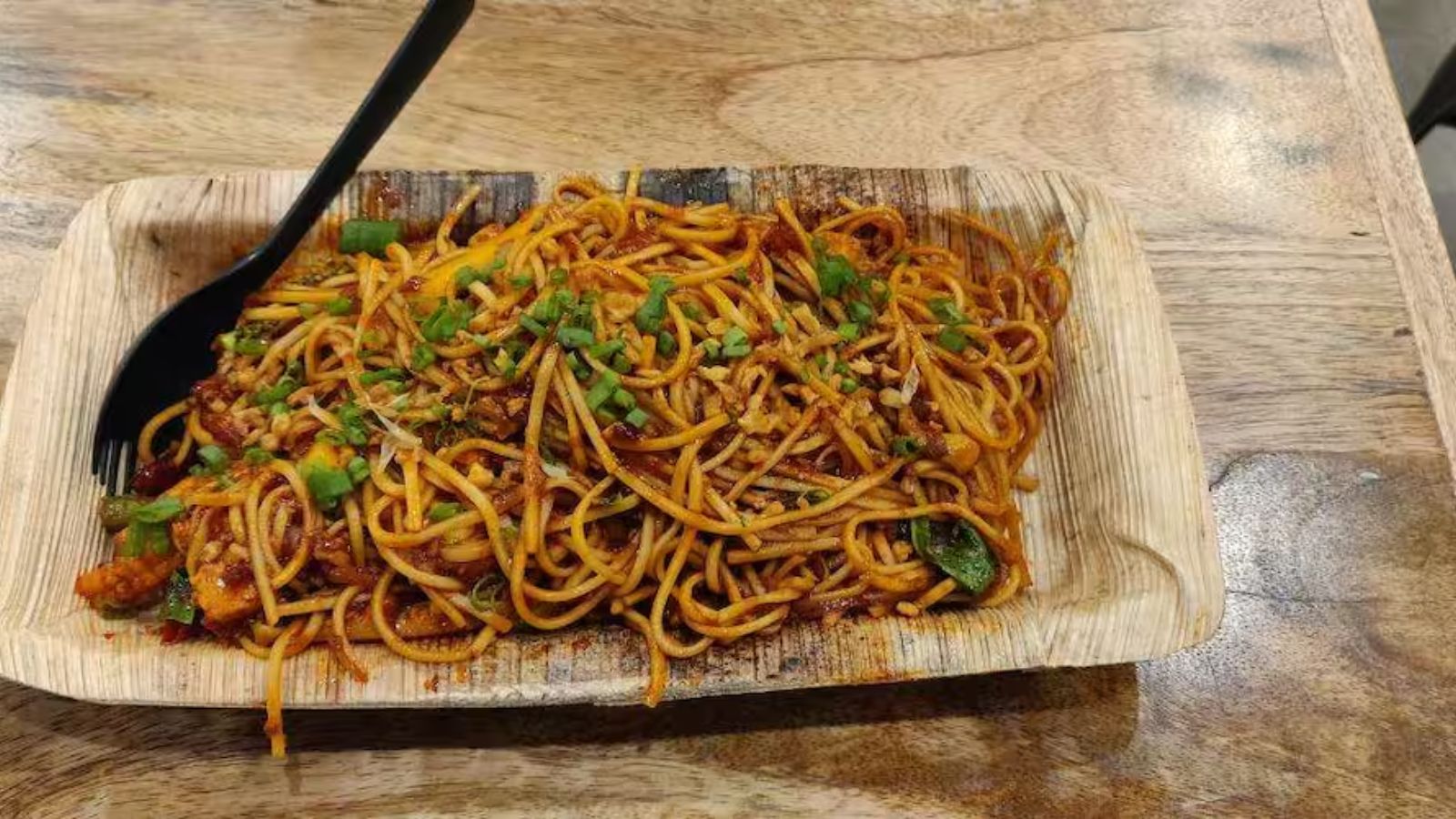
For centuries, food historians have debated the origin of noodles. Was it Italy or China that first laid the foundation for this iconic food? Thanks to a remarkable discovery, we now know that the answer lies in China, thousands of years before the famous Italian pasta. In 2005, archaeologists uncovered a bowl of noodles in the Lajia site, near the Yellow River, which had been preserved in a catastrophic flood over 4,000 years ago.
These ancient noodles were made from millet grass, rather than the flour-based noodles we’re familiar with today. This discovery not only confirmed the Chinese origin of noodles but also introduced a new layer of complexity to our understanding of ancient diets. Noodles, it seems, have been enjoyed for millennia, and the debate over their origins has finally come to a delicious conclusion.
The Origins of Wine
When you think of wine, Italy or France likely come to mind. But, as it turns out, the true birthplace of wine lies in Georgia, a country nestled between Europe and Asia. Evidence suggests t