

The post Why Slow-Blinking at Your Cat Actually Works, According to Science first appeared on Crafting Your Home.
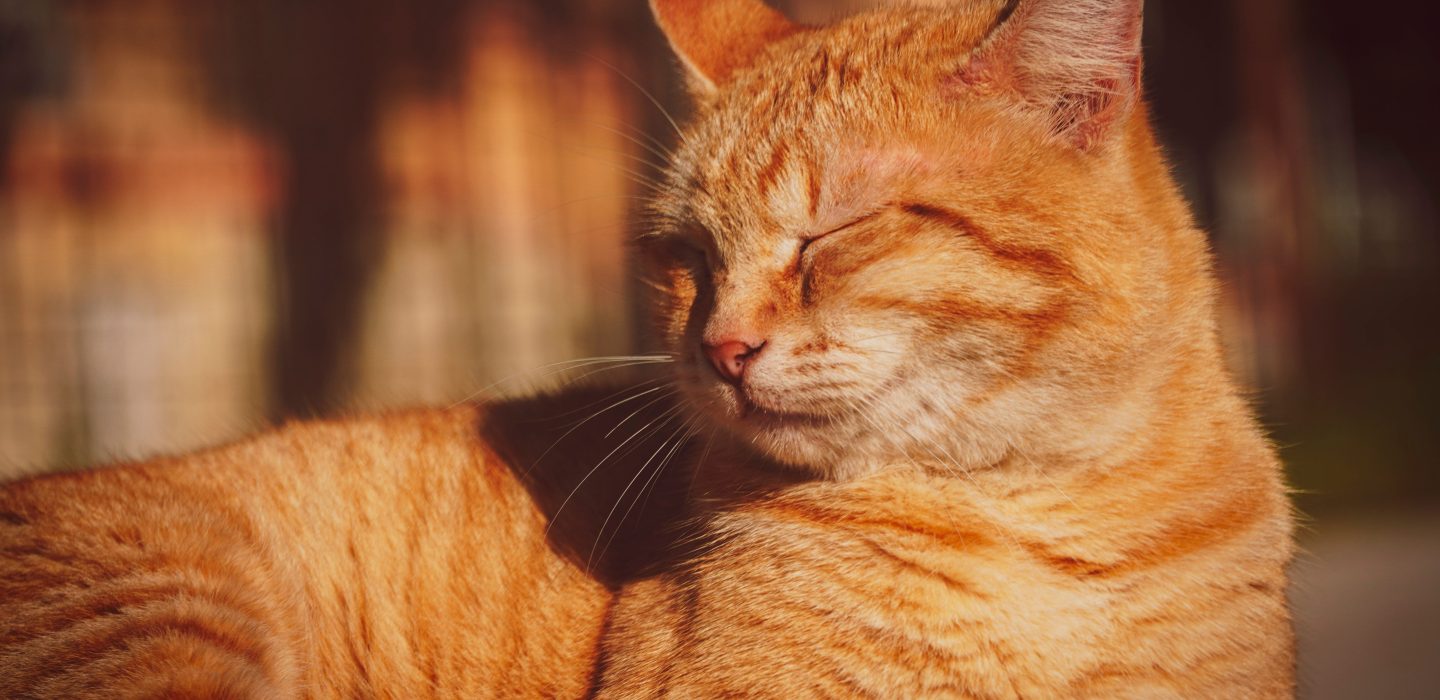
If you have ever noticed your cat staring at you from across the room before slowly closing and opening their eyes, you may have wondered what the gesture means. Many cat owners describe it as a feline smile or a sign of affection, but scientists suggest the truth is more interesting. Cats aren’t smiling in the human sense, yet research shows slow blinking may be one way they communicate comfort, trust, and calmness.
Cats rely heavily on body language to interact with both other cats and humans. Unlike dogs, who often use obvious signals such as wagging tails and excited greetings, cats communicate through subtle movements. Their ears, whiskers, posture, tail position, and facial expressions all signal how they feel.
A relaxed cat with soft eyes, a loose body, and gently positioned ears sends very different signals than a frightened or defensive cat with wide pupils, flattened ears, and a tense posture. Within that range of feline communication, slow blinking appears to signal a more positive, relaxed state.
Scientific research has found that when humans slow-blink at cats, the cats may respond more positively. A 2020 study published in Scientific Reports found that cats were more likely to approach people after receiving slow-blink signals, suggesting the gesture can function as a form of friendly communication between cats and humans.
The discovery does not mean a slow blink translates directly into “I love you” in the way humans express affection. Instead, it suggests something more subtle: a slow blink may communicate that a person is calm, non-threatening, and willing to interact in a way that respects a cat’s boundaries.
The Science Behind the Cat Slow Blink
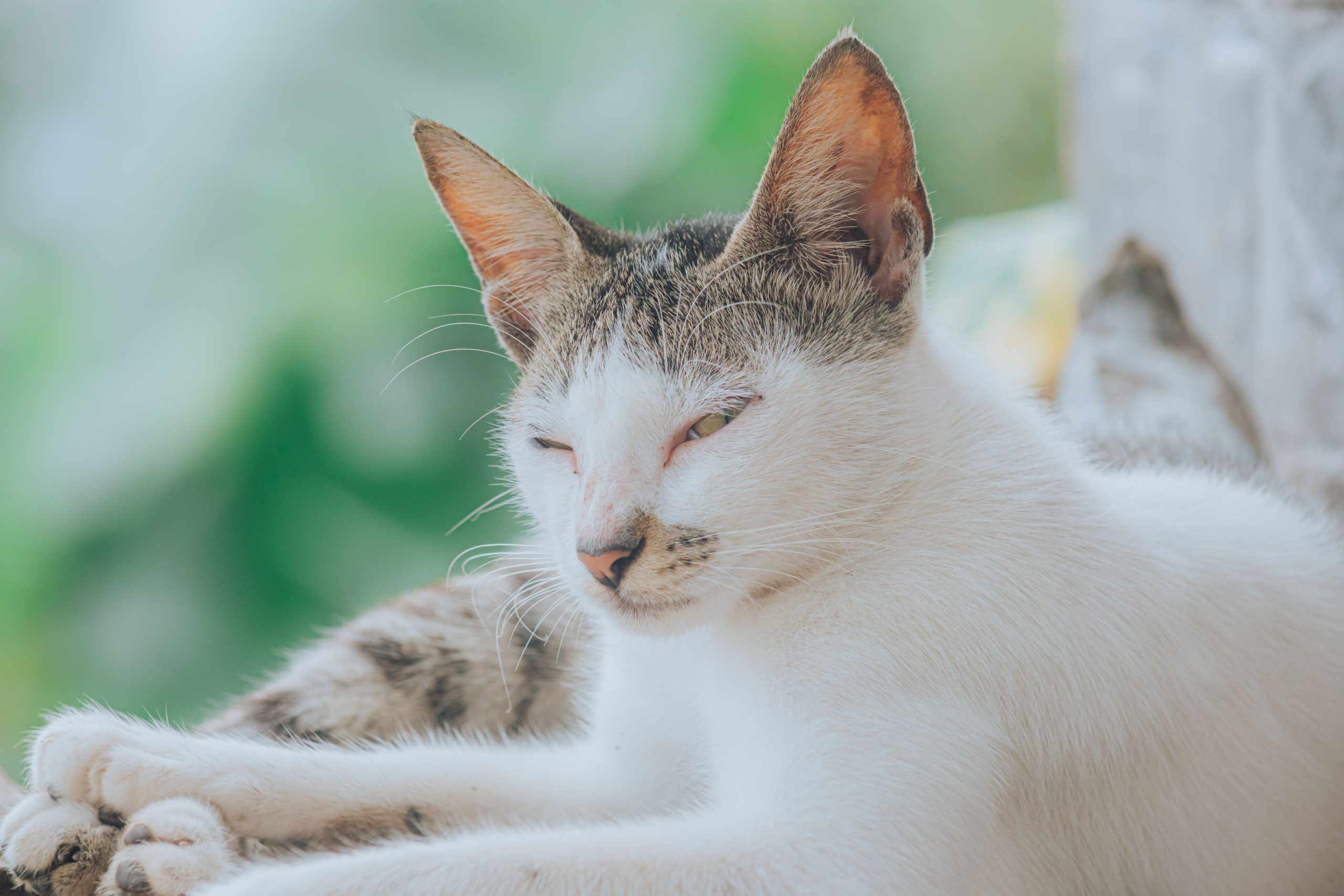
A 2020 study by researchers at the University of Sussex and the University of Portsmouth explored how cats respond to slow blinking from both familiar people and strangers. Scientists wanted to see whether this common behavior many cat owners observe had a measurable effect.
In the first experiment, researchers studied 21 cats from 14 different households. Owners were instructed on how to perform a slow blink before interacting with their cats. The humans sat about one meter away and used a sequence that involved narrowing their eyes, closing them slowly, and reopening them. Researchers compared the cats’ reactions with situations in which the owners remained nearby without giving the slow-blink signal.
The researchers recorded the interactions and analyzed feline facial movements using CatFACS, an objective system for studying cat facial expressions. They found that cats were more likely to show similar eye-narrowing behaviors after their owners slow-blinked at them.
The second experiment tested whether the response worked only between cats and their owners or could also occur with unfamiliar people. Researchers observed cats interacting with strangers who either slow-blinked or maintained a neutral expression.
The results showed that cats were more likely to respond with slow-blink behavior when the unfamiliar person used the gesture. They were also more likely to approach an offered hand after the slow-blink interaction compared with the neutral condition.
These findings suggest that slow blinking is not just a personal habit between a cat and a favorite owner. It may be a broader social signal that helps cats and humans communicate. However, scientists also note that the study involved a limited number of cats, so it does not mean every cat will react in exactly the same way.
Why Cats Respond to Soft Eye Contact
To understand why slow blinking may work, it helps to look at how cats interpret eye contact. In many animal species, prolonged staring can signal aggression or a challenge. Cats are predators, but they are also cautious animals that pay close attention to potential threats.
A person staring directly at a cat with wide-open eyes may unintentionally appear intimidating, especially to a nervous or unfamiliar cat. A slow blink changes the message. Instead of a fixed stare, the person is offering a relaxed expression that reduces pressure.
Animal welfare organizations have also highlighted the importance of understanding feline body language. Cats Protection, a UK-based cat welfare organization, advises avoiding prolonged staring and suggests using slow blinking as a gentle way to interact when a cat seems comfortable.
The slow blink may work because it resembles the relaxed facial signals cats use with each other. When cats are comfortable, they often narrow their eyes and avoid intense staring. By copying this behavior, humans may be communicating in a way that feels more natural to cats.
However, context matters. A cat closing its eyes does not always mean it is communicating affection. Cats also close their eyes when they are tired, resting, grooming, or avoiding bright light. Always interpret a slow blink alongside other body language cues.
A cat with relaxed eyes, forward-facing ears, loose whiskers, and a calm posture is likely comfortable. A cat with flattened ears, a stiff body, a rapidly moving tail, or wide pupils may be stressed, even if their eyes briefly close.
How to Try Slow Blinking With Your Cat
Trying the slow-blink technique is simple, but the goal is not to force a reaction. It sends a calm social signal and lets the cat decide whether to engage. Choose a moment when your cat is already relaxed.
Avoid trying when your cat is eating, playing intensely, hiding, or focused on something that makes them alert. A comfortable cat resting on a couch, bed, or favorite spot is usually more receptive. Look toward your cat without staring intensely.
Relax your face, soften your eyes, and slowly close your eyelids. Hold the closed position briefly before opening your eyes again. Some people also turn their head slightly away afterward, which can make the interaction feel even less threatening. After you give the signal, allow your cat to choose what happens next.
They may blink back, approach you, continue resting, or simply look away. Each response is normal. The goal isn’t to create a specific behavior, but to communicate that you are calm and respectful.
For shy cats, slow blinking can be especially helpful because it does not require physical contact. Many nervous cats feel more comfortable when humans move slowly, speak softly, keep routines predictable, and let them approach on their own terms.
Building trust with a cat takes more than a single gesture. Food, play, patience, veterinary care, and respecting boundaries all contribute to a strong relationship. The slow blink is simply one small tool in understanding a much larger language.
While scientists are still learning about feline communication, research suggests cats pay attention to how humans interact with them. A gentle expression, relaxed posture, and willingness to give a cat space can help create a stronger bond.
The slow blink may only last a few seconds, but it represents something important: a quiet conversation between two different species. By learning to communicate in a way cats understand, humans can make their feline companions feel safer, more comfortable, and more connected.
Other Posts You Might Like
- why-do-cats-purr-scientists-are-still-figuring-it-out
- the-maine-coon-is-americas-favorite-cat-breed-again-see-the-full-top
- from-grain-stores-to-sofas-the-surprisingly-wild-story-of-how-cats-became-our-roommates
If you like what you just read, then subscribe to our newsletter and follow us on social media.


