

The post Elephants, Crows and Orcas: What Scientists Have Seen When Animals Grieve first appeared on Crafting Your Home.
When an elephant touches the bones of another elephant, a crow gathers around a dead companion, or an orca mother carries her lifeless calf through the ocean, humans naturally describe these moments as grief. These powerful scenes appear to show animals reacting emotionally to death. However, scientists approach the subject with caution because they can observe behavior but cannot directly measure an animal’s private emotional experience.
The scientific study of animal responses to death, known as animal-thanatology, examines a difficult question: are these behaviors signs of mourning, attempts to help, reactions to danger, expressions of attachment, or a combination of several factors? Understanding these behaviors matters because it shapes how humans protect social species, respond to human-caused losses, and think about animal intelligence and emotional lives.
Understanding Whether Animals Really Grieve
Many factors shape human grief, including memory, language, culture, rituals, and an understanding of mortality. Scientists cannot assume that animals experience death in exactly the same way humans do. Instead, researchers often use the term “grief-like behavior” to describe observable actions that happen after the death or disappearance of an important social partner.
These behaviors may include staying close to a body, touching or guarding remains, carrying a dead animal, making unusual vocalizations, changing feeding patterns, withdrawing socially, or repeatedly returning to a place associated with death. Such observations provide evidence that animals respond to death, but they do not automatically prove that the animal is experiencing grief in the human sense.
The difference between behavior and emotion is central to scientific research. For example, when an orca mother carries a dead calf, scientists can confirm the behavior. They can suggest that grief-like distress may be involved because of the strong bond between mother and calf, but the emotional explanation remains an interpretation rather than something that can be directly proven.
Researchers also emphasize that the same behavior may have different meanings. A crow gathering around a dead crow may be investigating danger rather than mourning. An orca may carry a dead calf because it is attempting to revive it or because it cannot immediately separate from a deeply connected offspring. An elephant touching bones may involve recognition, curiosity, memory, social attachment, or several motivations at once.
This uncertainty does not make these behaviors less important. Instead, careful observation helps scientists understand how social relationships influence survival and how animals respond when those relationships are disrupted.
Elephants and Their Responses to Death
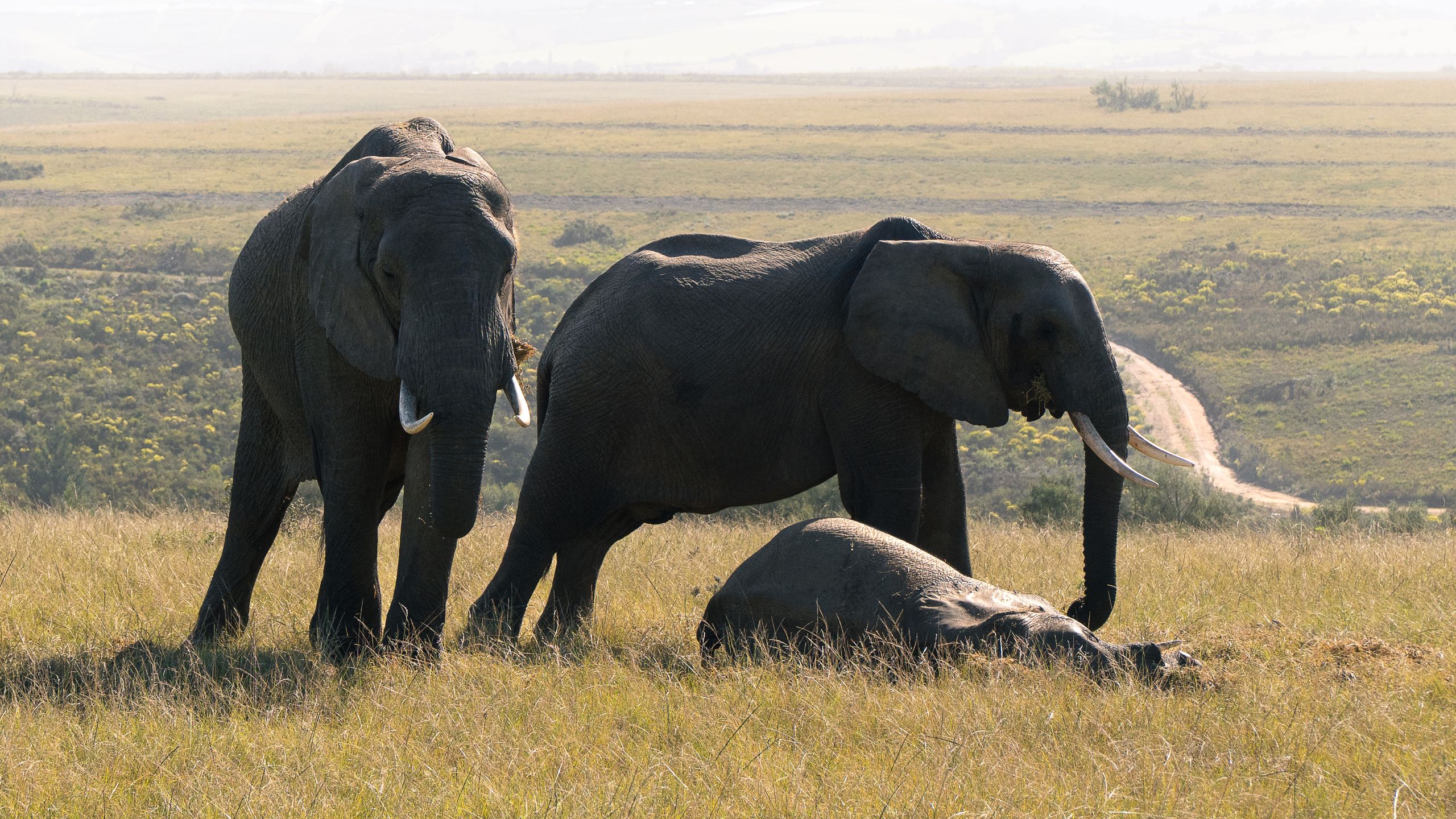
Elephants are among the animals most strongly associated with death-related behaviors. Researchers and observers have recorded elephants approaching bodies, examining skulls and tusks with their trunks, standing near remains, attempting to lift dead companions, and returning to places where other elephants have died.
Research conducted in Samburu National Reserve in northern Kenya examined how elephants responded to dead elephants and their remains. Scientists found that elephants commonly approached, touched, and investigated bodies, whether fresh, decomposed, or reduced to scattered bones. The elephants observed also showed behaviors such as periods of stillness, self-directed actions, and increased social interaction around remains.
However, researchers caution against immediately interpreting these actions as mourning for a particular individual. Elephants sometimes investigate remains of elephants that may not have been close relatives or herd members. This suggests that their reactions may involve a broader awareness of elephant remains, social information, recognition, or curiosity rather than only personal grief.
At the same time, individual cases show how important social bonds are in elephant societies. Elephants live in complex family groups where experienced matriarchs provide knowledge about food, water sources, and safer travel routes. Losing an older female can affect the group’s decisions, stability, and ability to survive.
Scientists agree that elephants respond differently to elephant remains than they do to ordinary objects. They use their trunks and feet to investigate bodies and bones and may return repeatedly to these locations. What remains uncertain is whether elephants understand death in the same way humans do or whether these actions represent another form of social awareness.
Crows, Orcas and the Mystery of Animal Loss
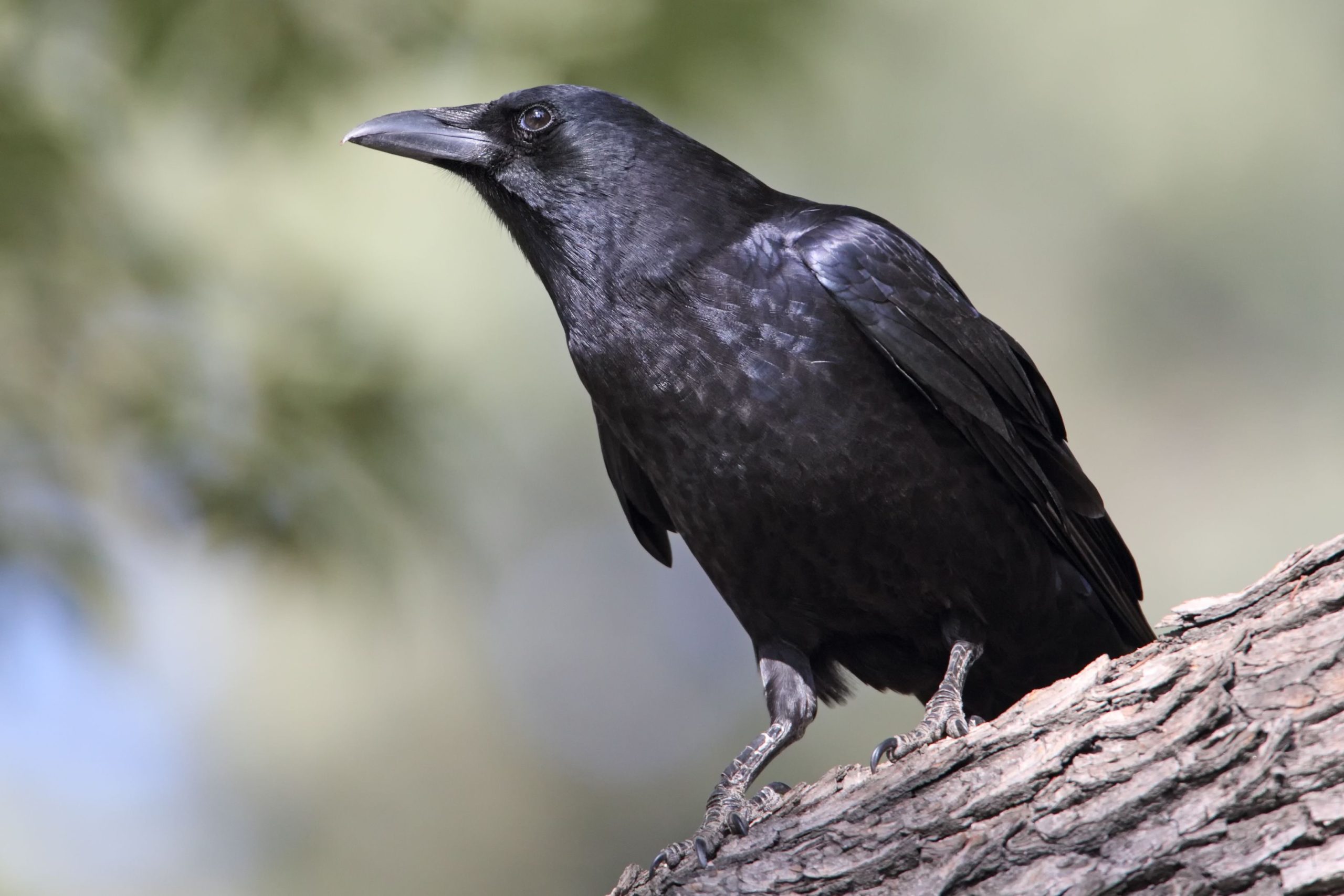
Crows provide a fascinating example because their gatherings around dead birds can appear like funerals. When one crow dies, others may arrive, call loudly, and create a dramatic scene that resembles a vigil. However, research suggests that these gatherings may serve a practical purpose related to survival.
Studies of American crows found that these “funeral-like” gatherings help birds learn about possible dangers. When crows saw people near dead crows, they responded with alarm calls and later recognized those people as threats. The dead bird may therefore provide important information about predators, dangerous locations, or harmful situations.
This does not mean crows cannot experience emotions. Instead, it shows that death-related behavior can have multiple purposes. A gathering around a dead crow may function less like a human funeral and more like a social warning system where birds share information about danger.
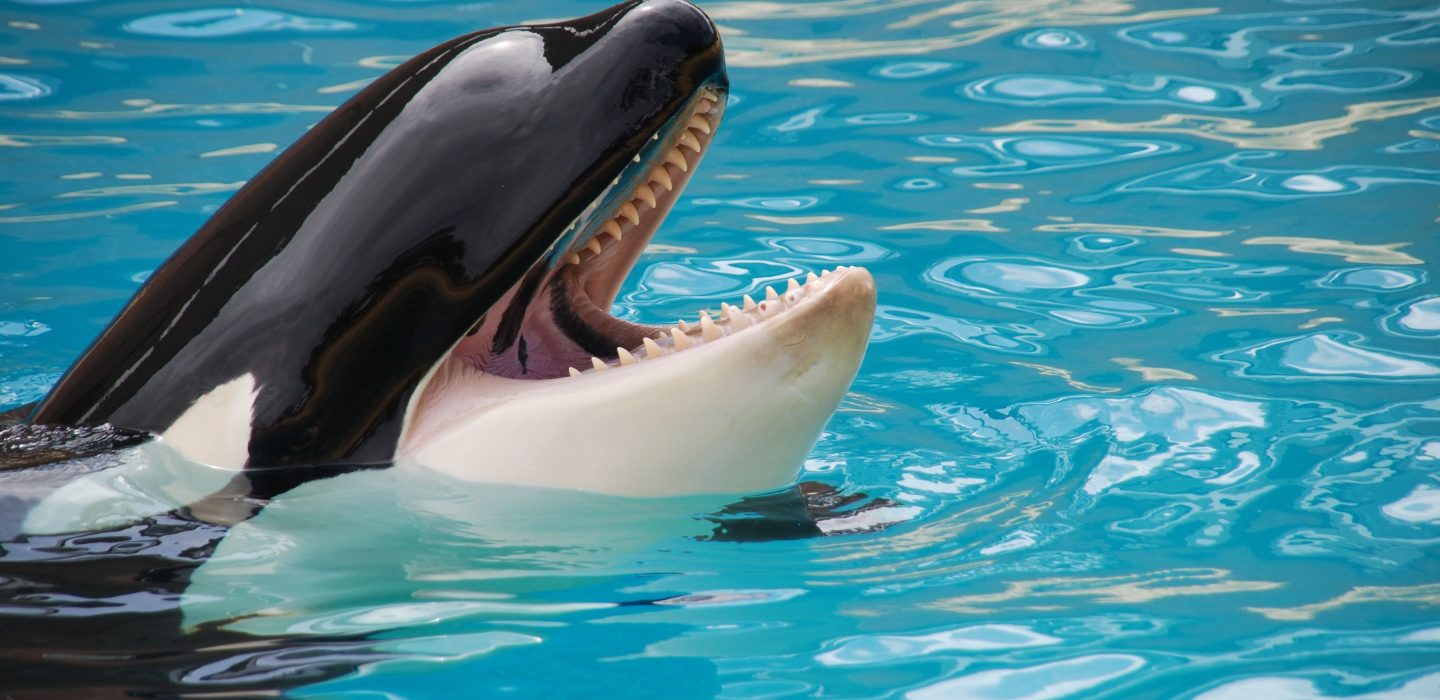
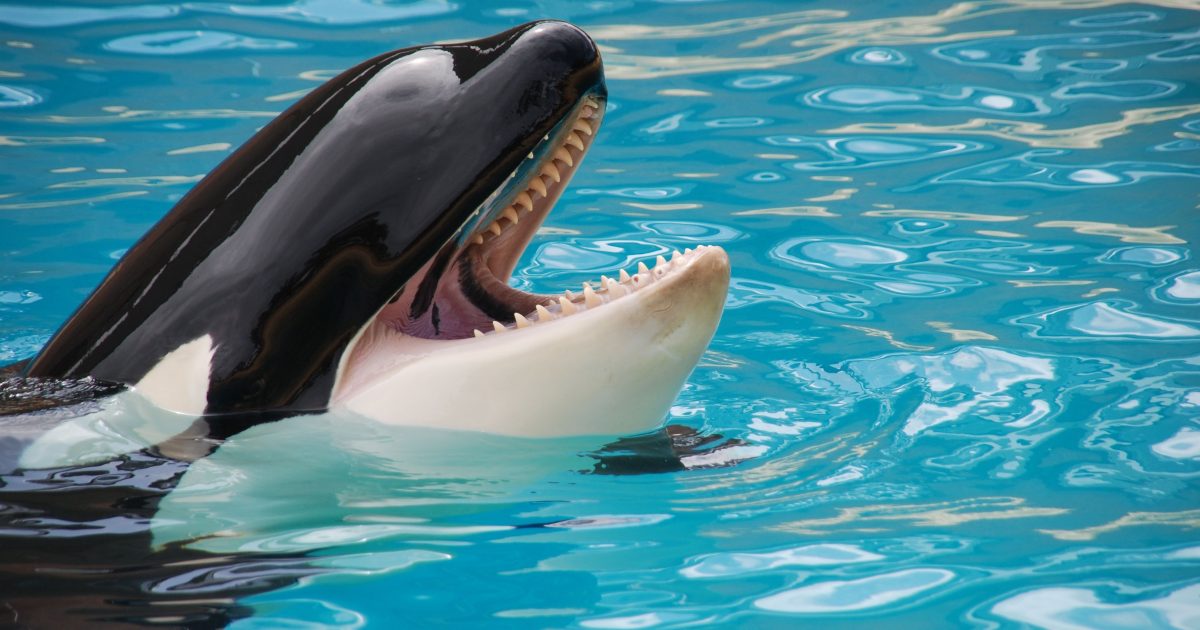
Orcas offer another striking example of responses to death. The case of Tahlequah, a Southern Resident killer whale also known as J35, received worldwide attention when she carried her dead calf through the ocean in 2018. Researchers confirmed that she carried the calf for at least 17 days and around 1,000 miles before finally leaving it behind.
Observers saw Tahlequah balance and push the calf at the surface, then dive to retrieve it when it slipped away. The behavior was widely described as maternal grief, but scientists also consider other explanations, including attempts to revive the calf or difficulty separating from an offspring because of their strong bond.
Researchers describe behaviors like this as epimeletic behavior, meaning caregiving or attentive actions directed toward injured, dying, or dead animals. The term describes what happens without claiming certainty about the animal’s internal emotional state.
What Animal Death Responses Teach Us
Studying animal grief requires humility. Scientists can measure how long animals stay near remains, how their movements or social behavior change, and how relatives respond after a loss. However, they cannot directly ask an animal whether it understands that another individual has died or whether it feels sorrow in a human way.
Many questions remain unanswered. Scientists continue to investigate whether animals understand death as permanent, whether responses are strongest toward relatives or close companions, and whether these behaviors provide emotional comfort, social benefits, survival information, or all of these at once.
The uncertainty does not mean animals lack emotions. It simply means we must understand their experiences on their own terms rather than measuring them only against human behavior. The evidence suggests that many social animals notice death, respond to loss, and experience changes when important relationships disappear.
For conservationists, these findings matter because losing one animal can affect entire families and populations. For animal welfare, they highlight the importance of reducing avoidable suffering among species with strong social bonds. Ultimately, elephants touching bones, crows gathering around fallen companions, and orcas carrying dead calves reveal that relationships play a powerful role in animal lives.
Scientists may never know exactly what emotions animals experience after death. But research increasingly shows that many animals do not simply ignore loss. They respond, adapt, and sometimes carry the effects of that loss within their social worlds.
Other Posts You Might Like:
- 10-most-fascinating-odd-animals-on-earth-natures-unbelievable-creatures
- 10-extraordinary-ways-animals-have-mastered-the-art-of-surviving-below-freezing-temperatures
- 10-fascinating-animals-with-surprisingly-human-like-behaviors
If you like what you just read, then subscribe to our newsletter and follow us on social media.


