


Choosing the perfect gift for grandparents can feel like walking a tightrope. While they often greet presents with gratitude, not every gift lands as well as intended.
We explore the nine gifts that often create more stress than joy, revealing the subtle pitfalls behind seemingly thoughtful presents.
Clothing with Fiddly Fastenings
Stylish clothing may look appealing, but fine buttons, zippers, and tight fabrics can be challenging. Joint stiffness or arthritis makes intricate closures frustrating. Even well-intentioned apparel often ends up unworn, defeating the purpose of the gift.
Gifts that balance style with functionality, such as easy-slip tops, elastic waistbands, or front-opening garments, offer both style and convenience. Wearability and comfort rank higher than trendiness in elder wardrobes.
Complicated Technology That Overwhelms

Smartphones, tablets, smartwatches, and voice assistants may seem helpful, but they can create frustration. Older adults often struggle with new tech interfaces, settings, and updates, leading to stress instead of convenience.
Gifts requiring frequent troubleshooting risk dependence on others for simple adjustments. Even with instructions, the learning curve can outweigh the utility, turning a potentially exciting gadget into a source of irritation. User-friendly or pre-configured devices with minimal setup are far better received.
Heavy Coffee Table Books That Are Impractical
Large, glossy books might appeal visually, but they are often cumbersome. Arthritic hands or reduced vision make flipping heavy pages challenging. While intended to provide entertainment or décor value, oversized tomes frequently remain unread and collect dust.
Lightweight books, audio versions, or smaller collections accommodate physical limitations while still offering enrichment. Accessibility and enjoyment take precedence over aesthetic impact for grandparents who want comfort alongside leisure.
Strongly Scented Lotions and Soaps
Perfumed body products often overwhelm sensitive olfactory senses. Aging can heighten sensitivity to strong scents, triggering headaches or nausea. While lavender or rose aromas might seem luxurious, they often end up unused, tucked away in cabinets, despite polite thanks.
Unscented or mildly scented products show thoughtfulness without creating discomfort. Skin care that prioritizes comfort, ease of use, and gentle formulas consistently outperforms extravagant fragrance-focused gifts.
High-Maintenance Plants
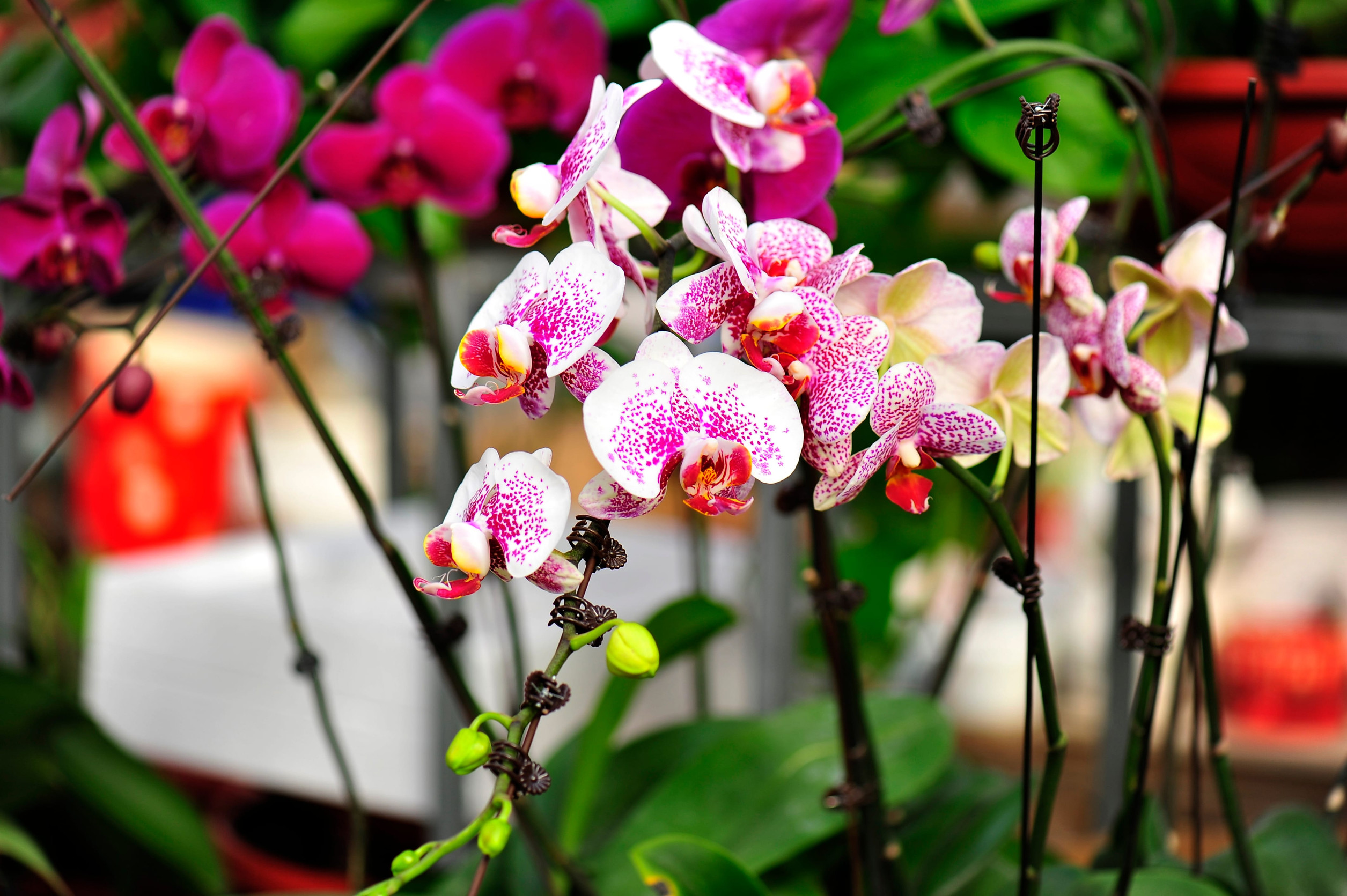
Orchids, bonsai trees, or exotic flowers can require frequent attention. For grandparents who travel, have limited sunlight, or lack time for meticulous care, these plants become burdensome. Stress can replace joy when plants need constant watering, trimming, or climate control.
Low-maintenance plants such as succulents, air plants, or potted herbs provide visual pleasure without ongoing labor. Gifts that bring beauty without obligation are always better received.
Oversized Home Decor That Clashes With Their Space
Grandparents typically cherish the comfort of familiar surroundings. Large paintings, extravagant sculptures, or modern décor pieces can feel intrusive rather than decorative. Aging research highlights that environmental stability and predictability support emotional well-being, making oversized or trendy items a poor fit for cozy homes.
Beyond the aesthetic clash, these pieces often require rearranging furniture or creating new space, which can be physically demanding. Even if displayed, they rarely become treasured centerpieces, instead gathering dust or being relocated. Practicality and harmony often outweigh flashy design when it comes to gifts.
Foods That Don’t Match Their Dietary Needs
Gift baskets and gourmet treats can easily backfire if they ignore dietary restrictions. Many grandparents manage conditions such as diabetes, hypertension, or food allergies, making indulgent snacks impractical.
Even thoughtfully chosen treats might go untouched, leading to guilt for both the giver and receiver. Safe, health-conscious options like herbal teas, low-sugar snacks, or simple fresh produce are far more appreciated. Catering to health needs demonstrates attentiveness more than extravagance ever could.
Gift Cards to Trendy Retailers

Modern or niche store gift cards often sit unused. Grandparents may find the stores inaccessible, unfamiliar, or incompatible with their tastes. Bankrate reports that nearly half of Americans rarely use gift cards, with older adults showing the highest likelihood of non-redemption.
Simple, universally accessible gift cards or prepaid accounts for essentials like groceries or local restaurants are more practical. Flexibility and convenience matter more than the perceived cool factor.
Kitchen Appliances They Won’t Use
Novelty appliances such as popcorn machines, waffle makers, or espresso makers often go unused. Most older adults already have essential kitchen tools, and extra items can clutter a limited space. Downsizing and simplifying are common priorities, so gifts that demand storage or complex operation become burdensome.
Appliances requiring maintenance or frequent use add pressure rather than convenience. They are often regifted, stored indefinitely, or ignored, leaving the gift’s intention unfulfilled. Practicality, familiar utility, and simplicity consistently win over novelty.
Key Takeaways

Grandparents appreciate gifts that show thought and consideration. Items that respect their space, health, and lifestyle provide genuine delight, while overly complicated, heavy, or impractical presents often fall flat.
Focusing on ease of use, comfort, and meaningful engagement ensures your gift will be cherished and used, making the thought behind it truly shine.


