
Laundry might be one of those household tasks that never seems to go away, no matter how hard we try to avoid it. Yet, it’s often made more frustrating by simple mistakes that many of us overlook. Whether you’re washing a load of clothes or folding the last of the towels, small slip-ups in the laundry room can turn an otherwise simple chore into a tedious battle.
From underestimating the power of laundry products to ignoring small organizational tweaks, these mistakes can add extra steps and stress to your already busy day.
Let’s break down eight common laundry room mistakes that make chores more annoying, and how to fix them.
Overloading the Washer

It’s tempting to cram as much laundry as possible into the washing machine to save time, but overloading your washer is one of the biggest mistakes you can make. When you stuff too many clothes into the drum, it prevents proper agitation, leaving some items dirty or less clean than you’d like. Additionally, overloading strains the washer, leading to unnecessary wear and tear and potentially shortening its lifespan.
Using Too Much Detergent
It might seem like more detergent equals cleaner clothes, but that’s actually a common misconception. Using too much detergent can lead to soapy buildup on your clothes, leaving them feeling stiff or even attracting more dirt. Plus, excess detergent doesn’t rinse out properly, which can cause a film to build up in your washing machine, leading to odors and mold growth over time.
Ignoring Maintenance and Cleaning of the Washing Machine
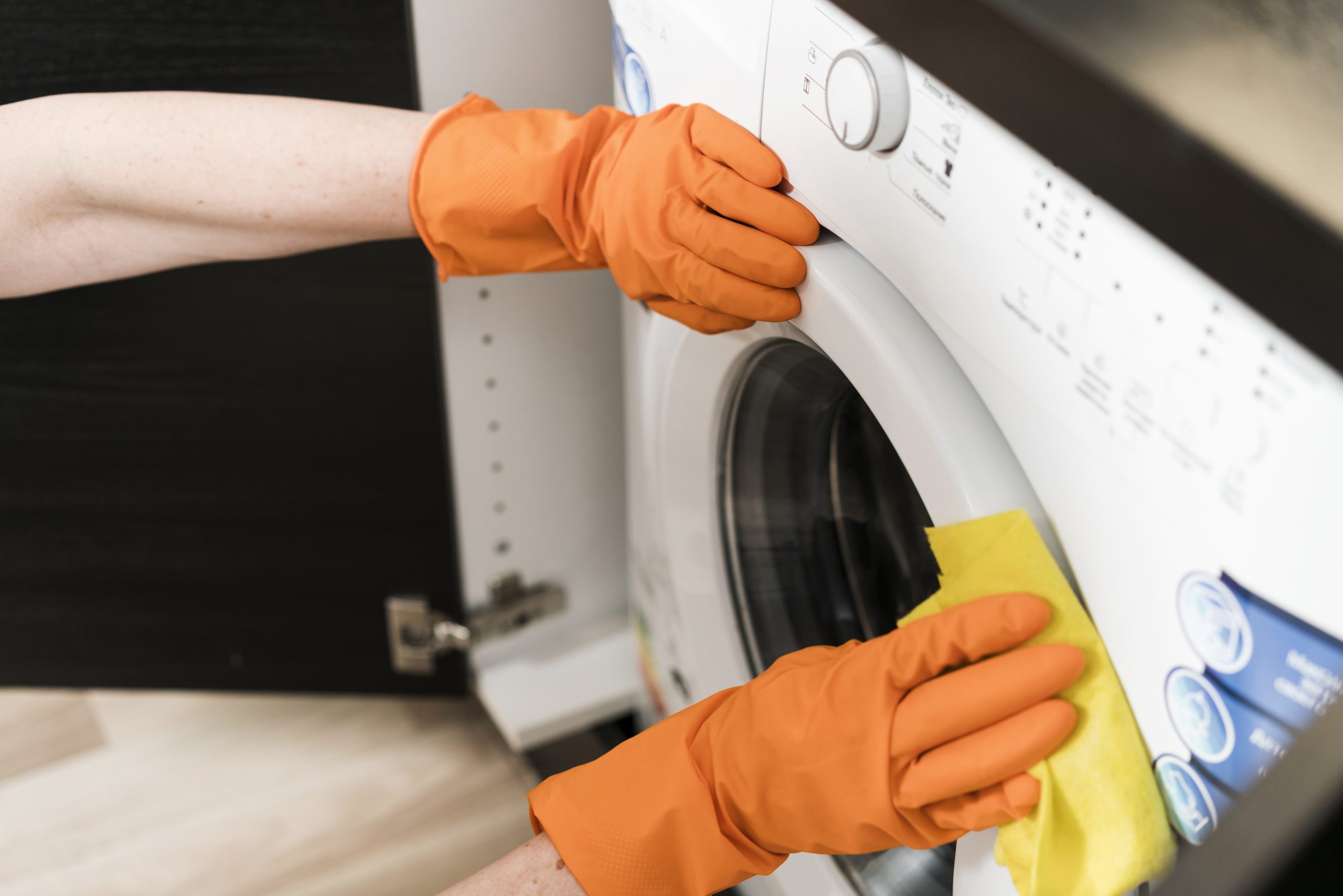
Your washing machine may seem like it’s self-cleaning, but that couldn’t be further from the truth. If you’re not regularly cleaning your washer, it can accumulate detergent residue, mildew, or even soap scum. This can cause your clothes to smell musty or less than fresh. Worse, it can create a breeding ground for bacteria, potentially transferring unpleasant odors onto your laundry.
Leaving Wet Clothes in the Washer Too Long
One of the most annoying laundry mistakes is leaving wet clothes in the washer for hours, or even overnight. Wet laundry left sitting in a damp washing machine can develop mildew, leading to a musty smell that’s hard to get rid of. The longer you leave your laundry sitting, the worse the smell gets. Worse yet, the longer you leave it, the more likely you are to have to rewash it, wasting both water and time.
Not Sorting Laundry Properly
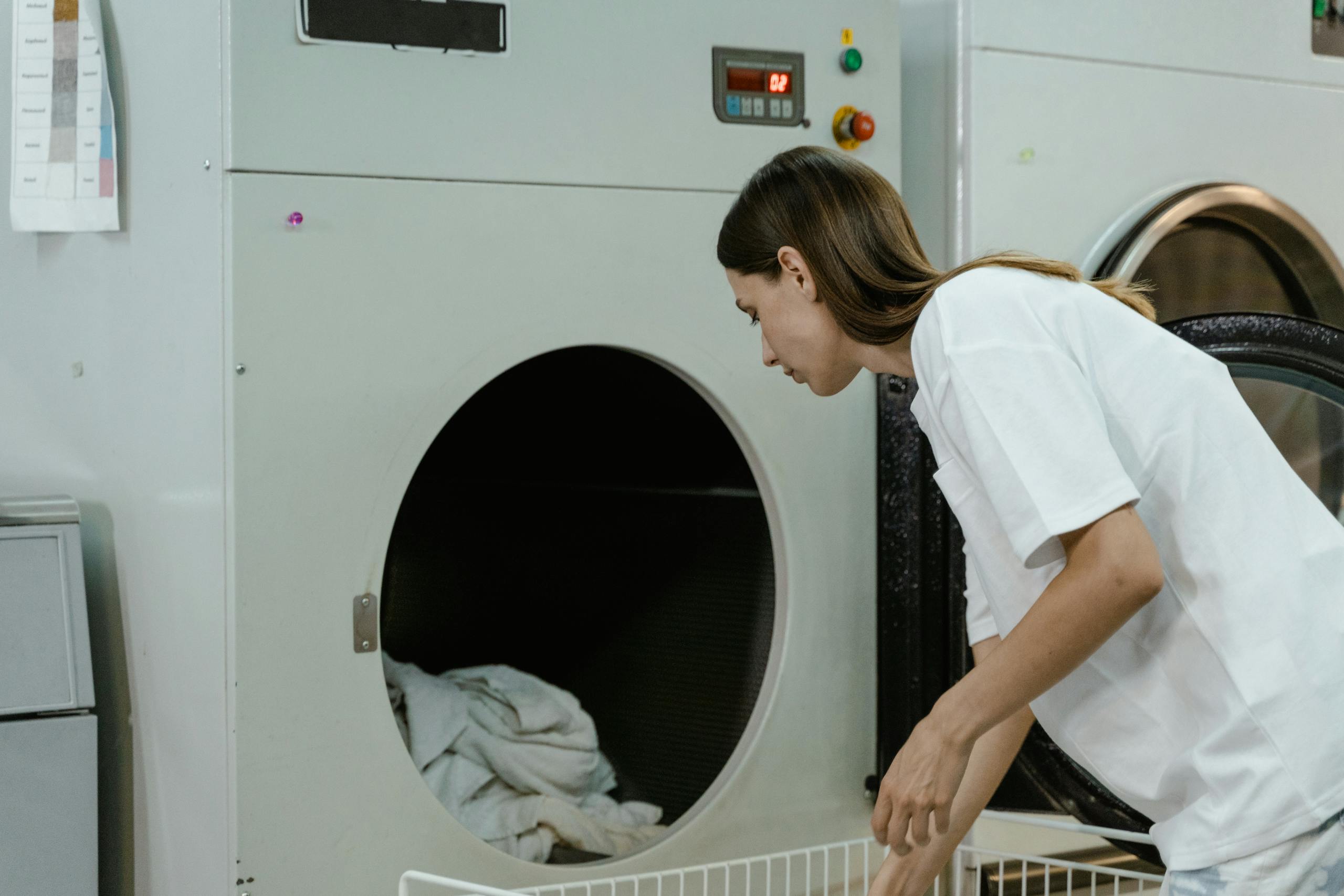
Sorting laundry might seem like an extra step that you can skip to save time, but improperly sorted laundry can cause a variety of issues. For instance, washing bright reds with whites can result in dingy, pink-tinged clothes. Or, mixing delicate fabrics with heavier items can cause snags or damage. Not to mention, washing items with the wrong water temperature or cycle can also lead to shrinkage, fading, or fabric deterioration.
Skipping the Dryer Lint Trap
The dryer lint trap is a small, simple part of your laundry process, but if neglected, it can lead to big problems. A clogged lint trap reduces your dryer’s efficiency, meaning clothes take longer to dry, wasting energy and time. Plus, excess lint buildup is a major fire hazard, as it increases the risk of a dryer fire, something nobody wants in their home.
Not Using the Right Drying Cycle
We’ve all had that frustrating moment when we pull a load of laundry from the dryer, only to find that half of it is still damp. This often happens when you don’t select the correct drying cycle for the fabric type. Many people just hit “auto-dry” or “regular” for everything, but that’s not always ideal. Delicates or synthetic fabrics require a gentler cycle, while heavy items like towels need more drying time.
Not Taking Advantage of Laundry Room Organization

Clutter in the laundry room can make the entire chore process more annoying than it needs to be. A messy room with bottles of detergent, fabric softener, and piles of clothes everywhere makes it harder to stay efficient. When you can’t find your detergent, or there’s no space to fold clothes, the task feels more overwhelming and time-consuming.
Conclusion
Laundry doesn’t have to be a frustrating chore if you avoid these common mistakes. By properly sorting your laundry, maintaining your washer, and using the correct dryer settings, you can streamline the process and make it much more efficient. A little organization and the right laundry habits can make all the difference.
The next time you head into your laundry room, keep these tips in mind to save time, reduce stress, and keep your clothes looking their best.
Read the original Crafting Your Home.