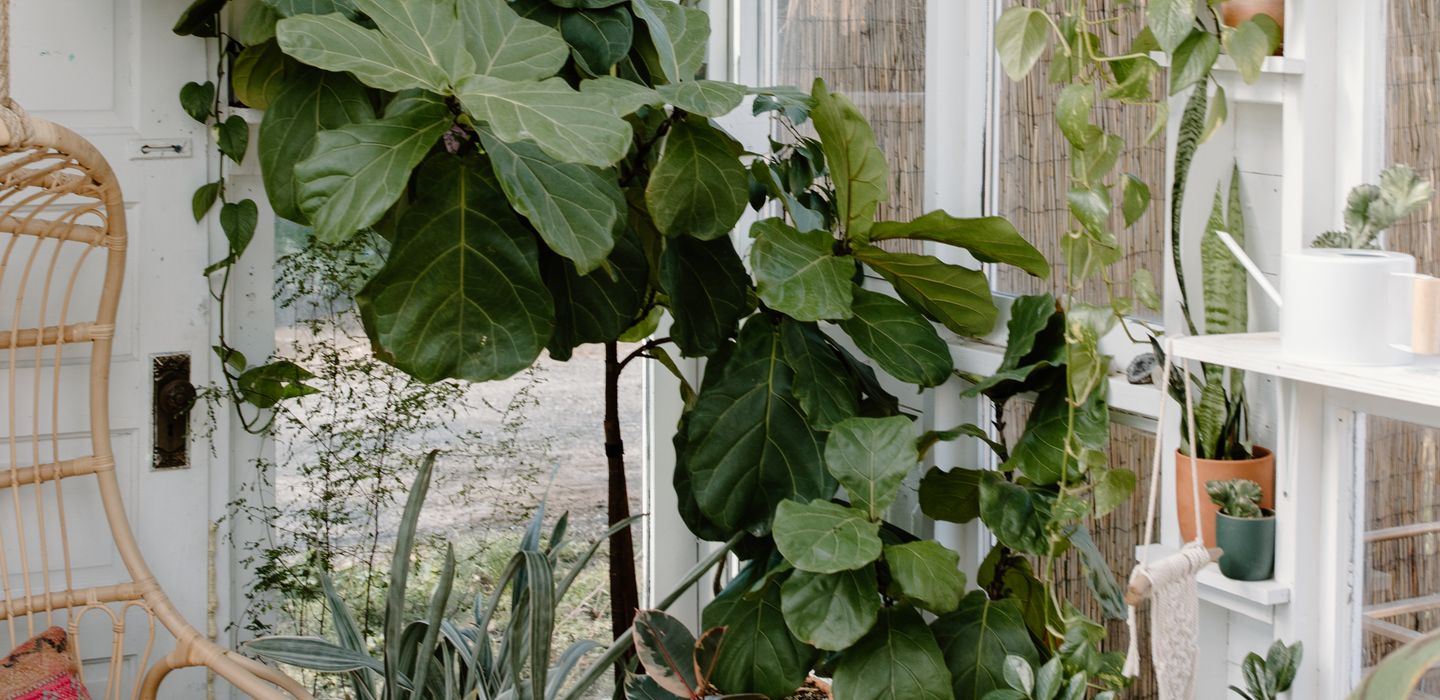
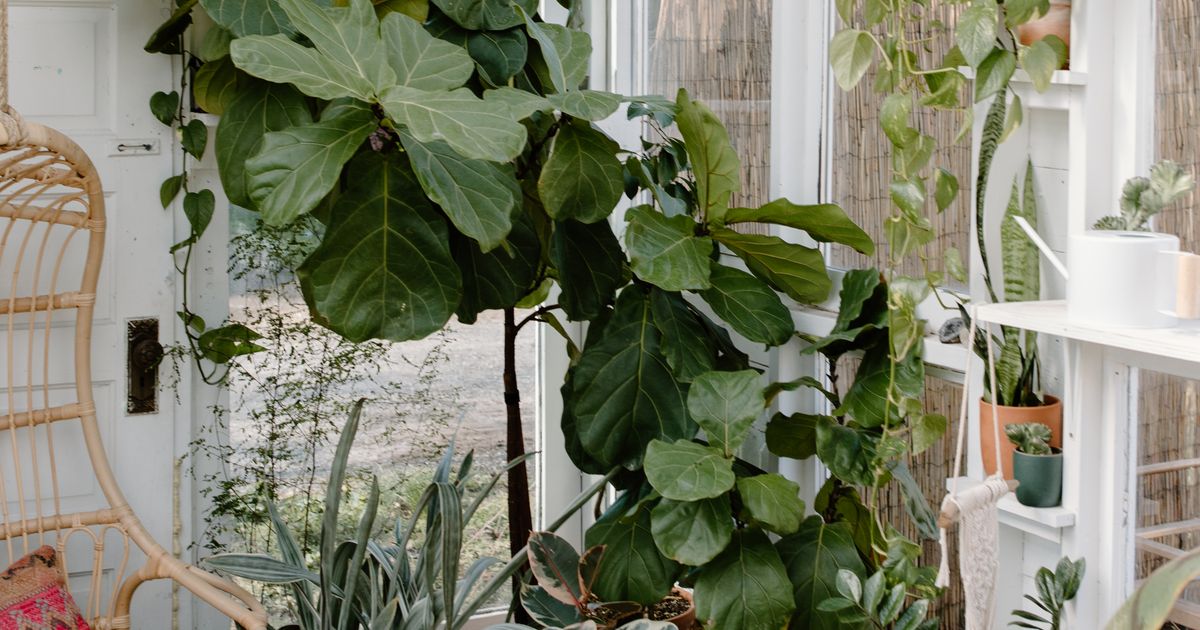
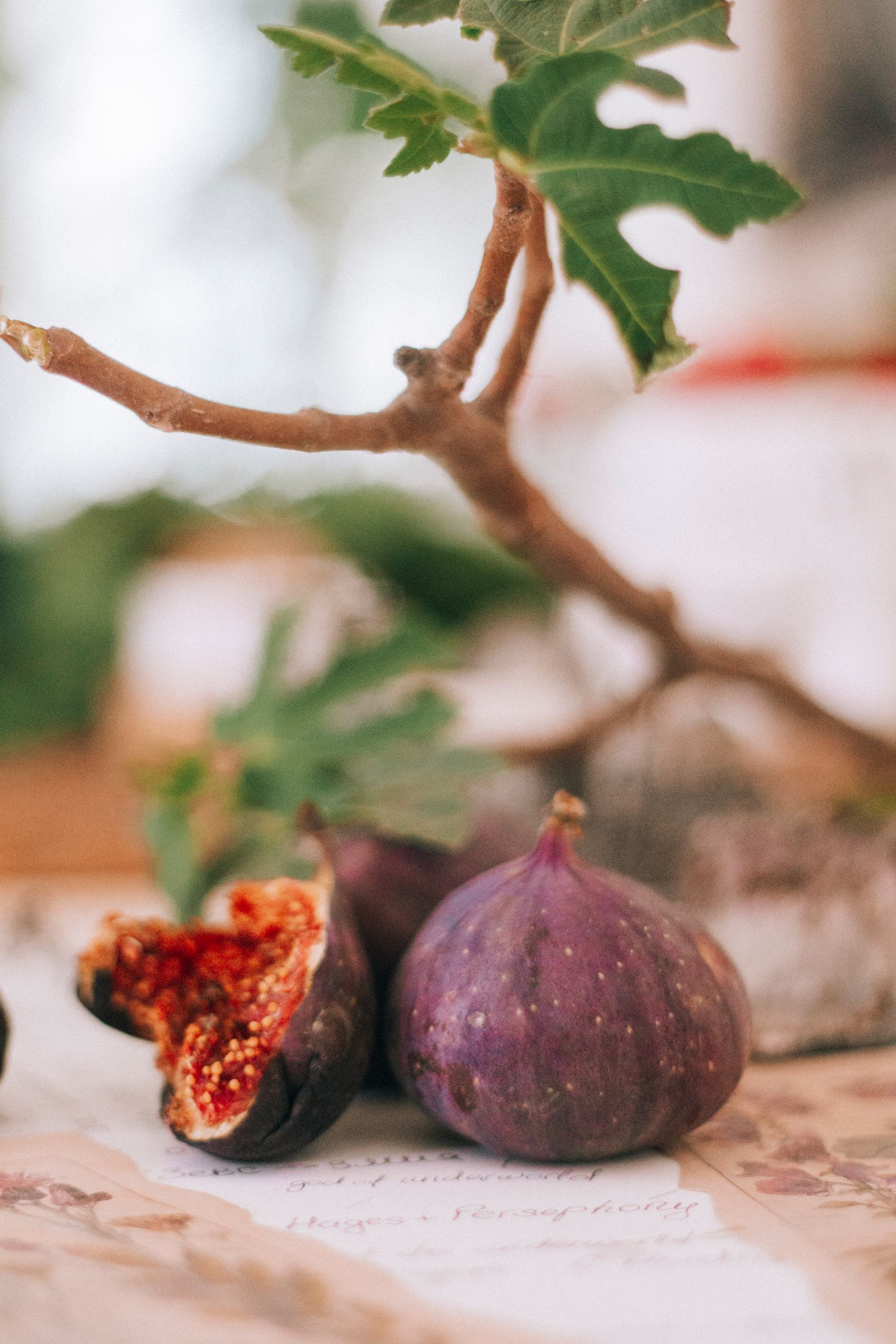
A fresh fig harvest can start with something as simple as a container and the right growing conditions. Home gardeners without large outdoor spaces can grow fig trees indoors or in pots by focusing on sunlight, soil, watering, and seasonal care.
Fig trees are often associated with spacious gardens, but growing one at home does not always require a traditional backyard. With the right setup, a container-grown fig tree can become part of a home garden, balcony space, or indoor growing area.
For people looking to add more greenery to their homes, fig trees offer a practical gardening project that combines beauty with the possibility of fresh fruit. The process requires attention, but understanding the basics can make growing a fig tree more manageable for beginners.
A sunny location and the right variety can set the foundation.
Image credit: by DươngNhân/pexel
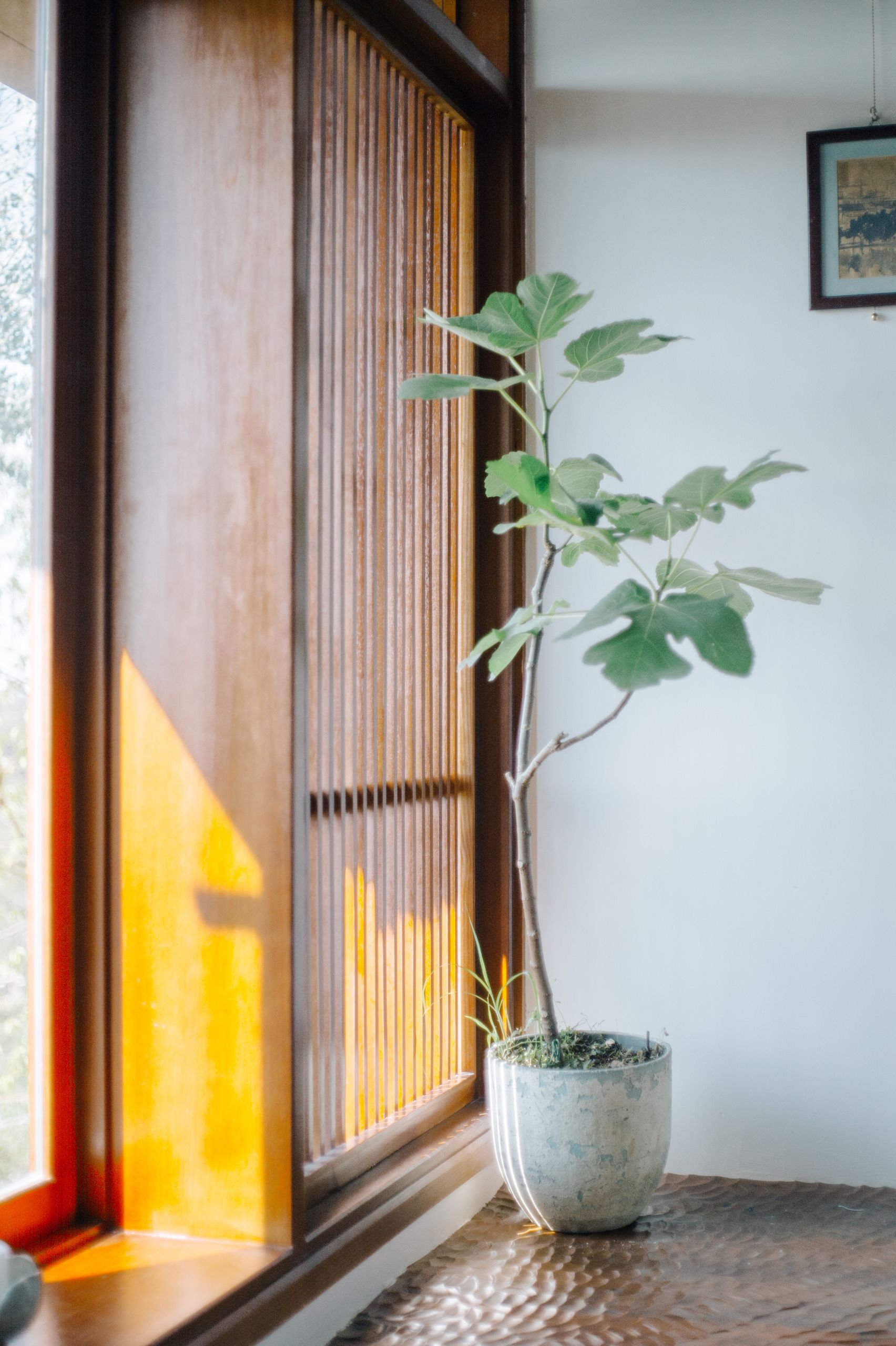
The first step in growing a fig tree at home is choosing a location where the plant can receive plenty of sunlight. A sunny spot helps create the conditions a fig tree needs to grow successfully, making placement one of the most important decisions for home gardeners.
For those growing figs in containers, choosing the right variety also matters. Different fig varieties have different growing needs, so choosing a suitable option is an important part of the process.
A container-grown fig tree gives homeowners more flexibility because the plant can be positioned where conditions are most favorable. Instead of being limited to a permanent garden location, gardeners can adjust placement to provide the best possible environment.
Growing a fig tree also requires thinking about the space available. A pot can make fig growing possible for people who do not have large outdoor areas, allowing more homes to take part in fruit gardening.
The right soil, pot, and watering routine help support growth.
image credit: by Albina White/pexels
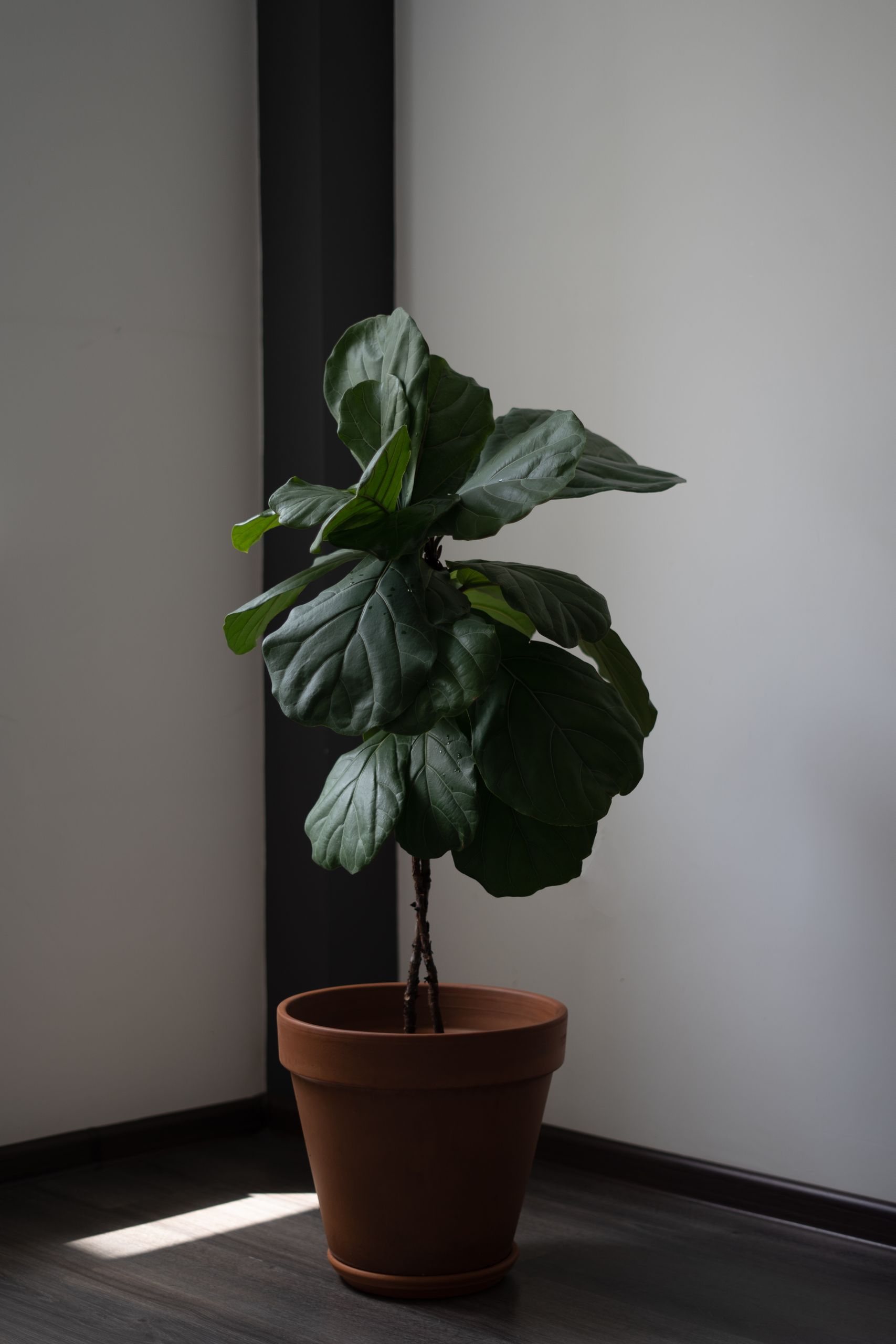
A fig tree grown in a container depends heavily on the foundation beneath it. Planting it in rich, fast-draining soil helps create an environment where the tree can grow properly.
The container itself is another important factor. A large pot with drainage is recommended because it gives the tree room and lets excess water drain away. Proper drainage helps create a more suitable growing environment for a container fig tree.
Watering is also key to keeping a fig tree healthy. The recommended approach is to water deeply but consistently, giving the plant regular care rather than letting soil conditions change dramatically.
Home gardeners may find that container plants require closer attention because they depend on the care provided by the person growing them. Keeping up with watering and observing the plant’s needs can help maintain steady growth.
The goal is to create a balanced routine. A fig tree should have enough water, suitable soil, and a container that supports its development without creating unnecessary challenges.
Seasonal care keeps a fig tree ready for future growth.
Image credit: by Alina Vilchenko/pexels
Growing figs at home also means paying attention to seasonal changes. Cold weather can challenge fig trees, so protecting the plant from colder conditions is an important part of care.
For container-grown trees, protection from cold weather can be especially important because the plant is not naturally protected by being planted in the ground. Gardeners should consider how they will care for their fig tree when temperatures drop.
Pruning is another key part of fig tree care. The best time to prune is during dormancy, when the tree is not actively growing. This seasonal approach helps gardeners manage the plant while following its natural growth cycle.
Regular care does not have to be complicated. By paying attention to sunlight, soil, water, and seasonal needs, homeowners can create a consistent routine for their fig tree.
For many gardeners, growing a fig tree is a chance to learn more about plant care while adding something unique to their home space. A container fig tree can fit into a variety of living situations, making fruit growing more accessible.
The process begins with simple choices: selecting a suitable variety, finding a sunny location, choosing the right pot, and providing the proper soil and water. With those steps in place, a fig tree can become a rewarding addition to a home garden.
As more people explore ways to grow plants in smaller spaces, container gardening continues to open new possibilities. A fig tree does not require a large backyard to become part of a home’s landscape. It simply requires thoughtful care and the right growing conditions.