Your plumber wishes you would stop putting these 8 things down the drain

You might think your kitchen sink is a magical portal that whisks waste away to another dimension, but your plumbing actually has strict dietary restrictions. I learned this the hard way after a $400 emergency visit from a plumber who looked at my clogged sink with pure disappointment. You definitely don’t want to join the millions of Americans fueling a $132 billion global plumbing fixture market just because you treated your disposal like a trash can.
According to New York City’s State of the Sewers report, grease alone causes 71% of all sewer backups, proving that our collective habits are literally wrecking infrastructure. Here is the lowdown on the 8 worst offenders your plumber wishes you would stop putting down the drain right now.
Stop believing the “flushable” wipes hype

Manufacturers slap “flushable” on the package, but they really mean “it goes down the toilet hole,” not “it breaks down.” Unlike toilet paper, which disintegrates in seconds, wipes stay intact. A study showed that many popular brands retain over 93% of their mass even after 48 hours in water. These wipes snag on pumps, creating massive tangles that municipalities call “ragging.”
Cities are fighting back against this marketing deception. The Charleston Water System recently settled a major lawsuit with wipe manufacturers to force clearer labeling standards, while Costco paid out $2 million in a similar settlement. Save yourself a backup and toss these in the trash.
Grease and oil feed the fatbergs
Pouring hot bacon grease down the sink feels harmless because it’s liquid, but it cools into a hard, wax-like solid the second it hits your cold pipes. This congealed mess traps other debris, forming “fatbergs.” In 2018, The Detroit News reports that Macomb County, Michigan, removed a 100-foot-long, 19-ton fatberg that cost taxpayers $100,000 to extract.
Even small amounts of oil coat your pipes like cholesterol in an artery. Professional hydro jetting to scrub this sludge from your home’s lines costs between $300 and $600. Do you really want to pay that much just to avoid using a grease jar?
Coffee grounds turn into cement
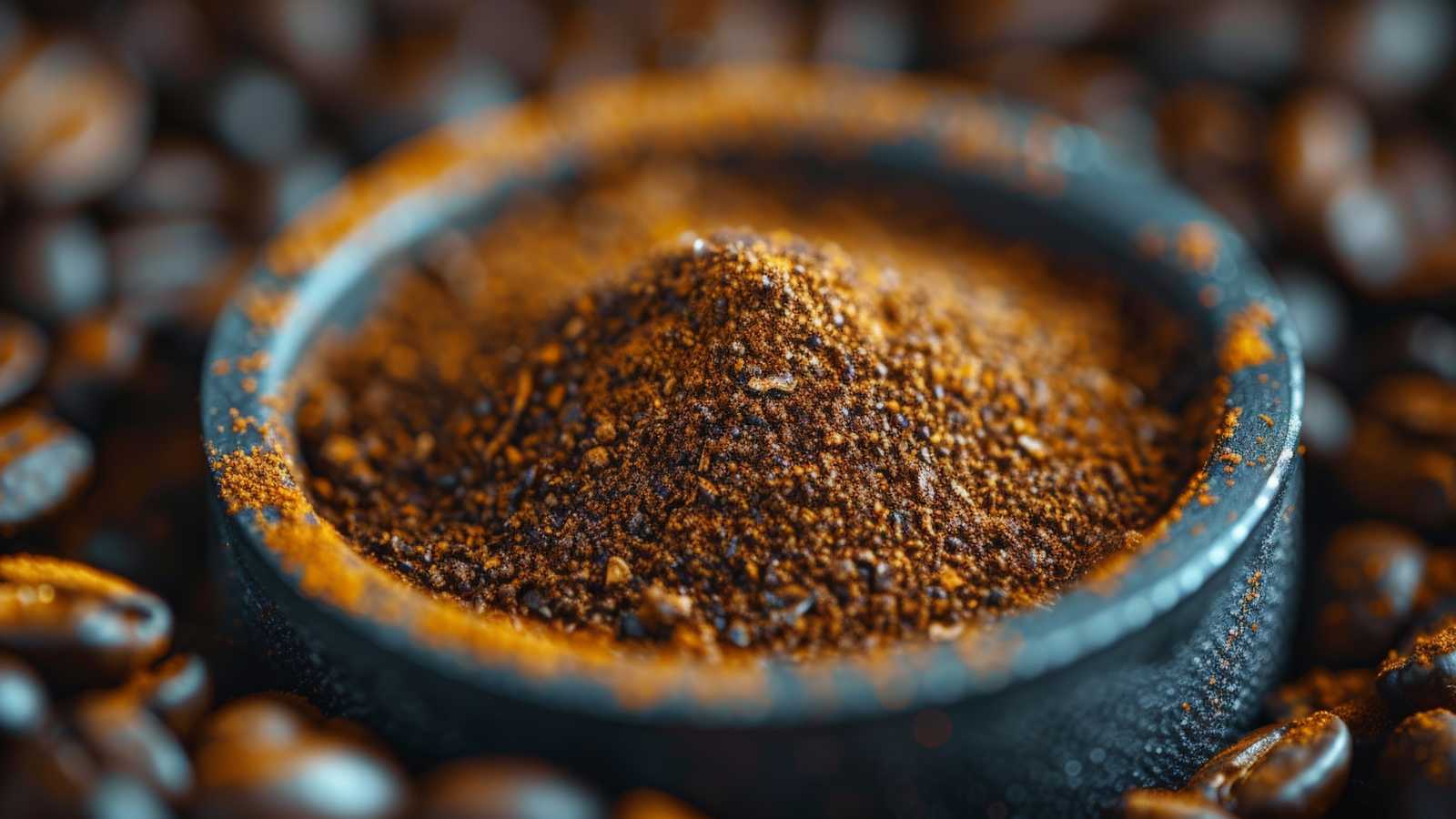
I know the internet says coffee grounds scour your pipes clean, but Ryan Meagher, a plumbing expert, explicitly warns against this. He explains that grounds are dense and heavy, so they settle in the low points of your P-trap rather than washing away.
Over time, these grounds mix with grease to form a thick, concrete-like sludge. Plumbers frequently find these gritty blockages causing slow drains that snaking alone often can’t fix. Put them in your compost; your garden will thank you.
Pasta and rice keep growing
Starchy foods like rice and pasta are water-loving nightmares. They continue to absorb water and expand long after you rinse them down. A small cup of leftover rice can swell and block your entire pipe.
As these starches break down, they turn into a sticky paste, think of the papier-mache glue you made in grade school. This goo creates a perfect trap for other solids, quickly turning a minor annoyance into a full-blown clog.
Fibrous vegetables strangle your disposal
Celery, corn husks, and onion skins are the mortal enemies of your garbage disposal. These veggies contain long, tough strings that don’t snap under pressure. Instead, they fray and wrap around the disposal’s impeller blades like fishing line.
This tangling jams the motor or allows it to pass through, creating a “bird’s nest” obstruction further down the line. Trust me, untangling slimy celery strings from a disposal blade is an experience you want to skip.
Eggshells are grit, not sharpeners
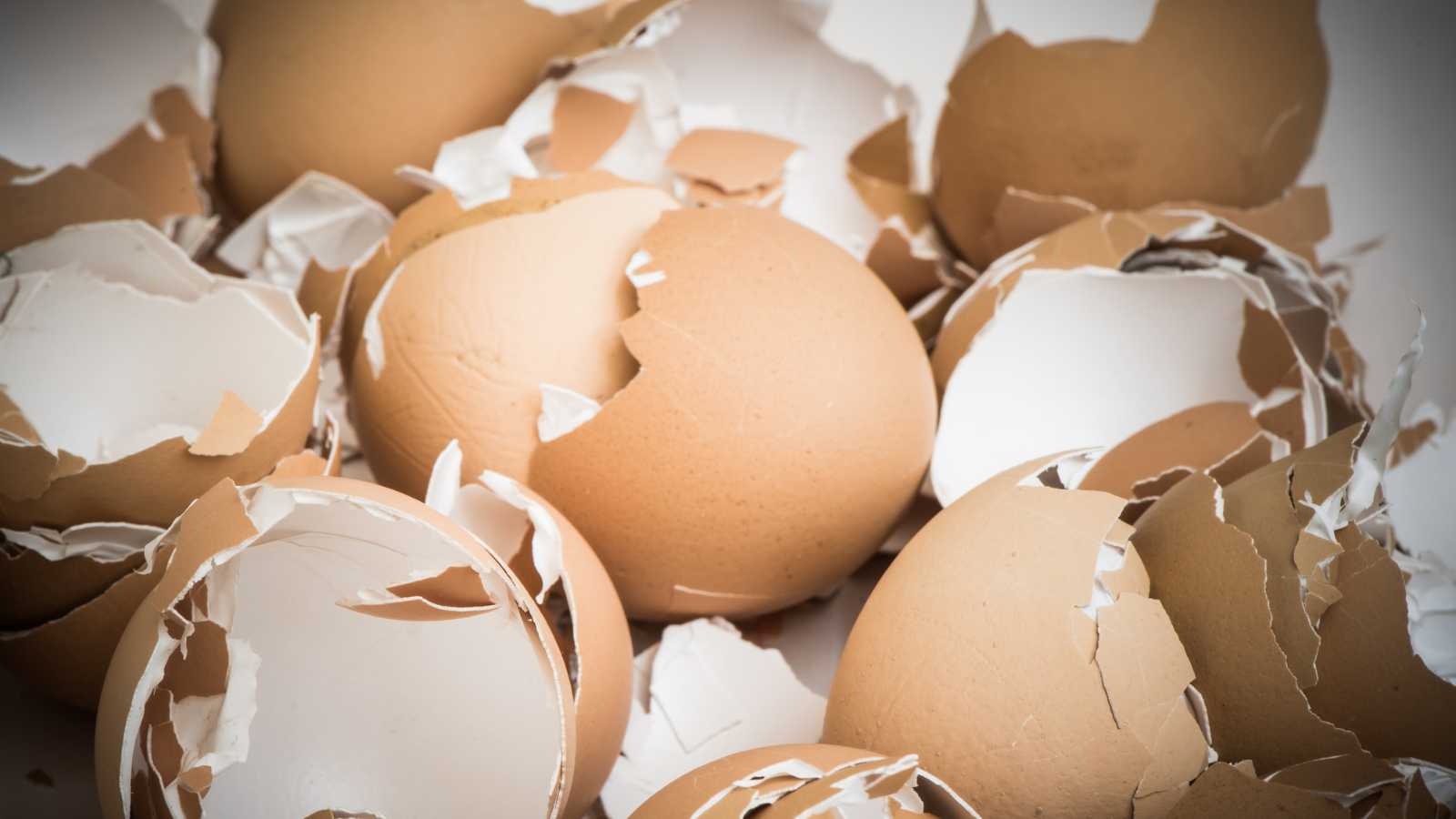
There is a persistent myth that eggshells sharpen disposal blades, but your disposal actually uses blunt impellers, not knives, to crush food. The shells just crumble into a heavy, sand-like grit that flushes poorly and clogs your pipes.
Furthermore, the sticky inner membrane of the shell adheres to the shredder ring, reducing its efficiency. Just trash them.
Chemical drain cleaners melt pipes
When you have a clog, reaching for the Drano seems easy, but professionals hate these products. The chemical reaction that clears the clog generates intense heat, an exothermic reaction that can actually warp or melt modern PVC piping.
If you have older metal pipes, the caustic chemicals accelerate corrosion, leading to pinhole leaks. Plus, if the chemical fails to clear the clog, you leave a hazardous pool of acid for the plumber to deal with later.
Paint and medication poison the water
Your drain connects to the local watershed, and treatment plants cannot filter out everything. The U.S. Geological Survey found pharmaceutical contaminants in 80% of the sampled U.S. streams, harming aquatic life and contaminating our drinking water.
Latex paint is another villain; it cures into a plastic film that coats pipes and permanently narrows them. Taking old meds and paint to a proper disposal facility is a small price to pay for clean water.
Key Takeaway

Your plumbing system is a marvel of engineering designed for water and human waste, not a trash compactor. Ignoring this reality costs homeowners billions annually in avoidable repairs. The rule is simple: if it’s not a liquid (and not oil or poison), put it in the bin. Treat your pipes with respect, and they won’t ruin your weekend with a sewage backup.
Read the Original Article on Crafting Your Home.