

This post, Wolves Don’t Howl at the Moon — Here’s What Scientists Say They’re Doing, first appeared on Crafting Your Home.
Few wildlife images are more familiar than a wolf standing on a ridge, lifting its head toward a glowing moon and releasing a long howl.
It looks dramatic, mysterious, and almost magical. But scientists say wolves are not actually howling at the moon. The moon is simply part of the scenery.
Wolves howl for practical reasons. Their calls help them communicate across long distances, locate pack members, defend territory, and maintain social bonds.
Wolves Use Howls as Long-Distance Calls
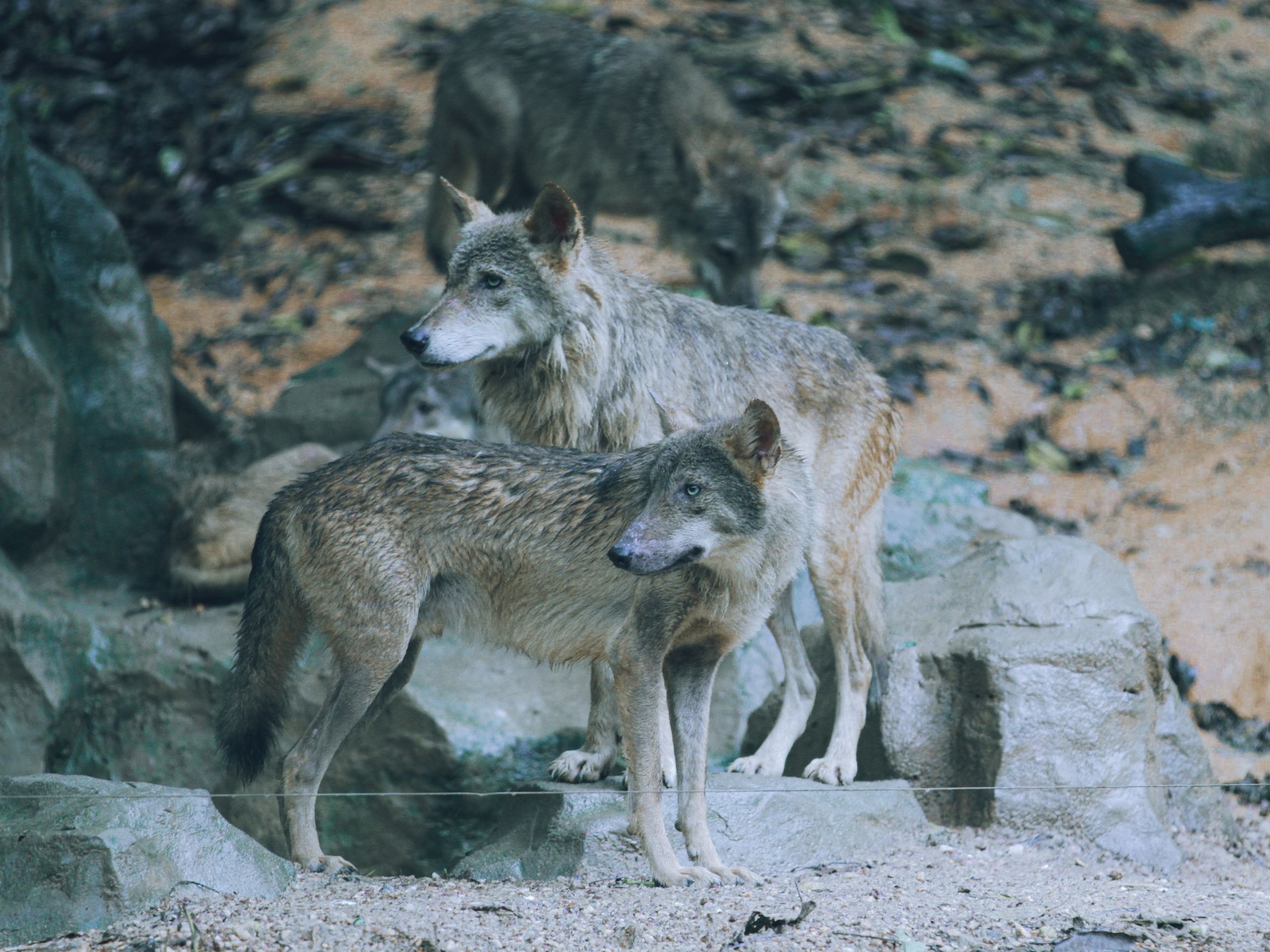
Wolves are highly social animals that usually live in packs. Because pack members can become separated while hunting or moving through large territories, they need a reliable way to communicate.
Howling does that job extremely well.
A howl can travel much farther than ordinary barking or other short vocal sounds. A lone wolf may howl to locate its pack, while a pack may answer so the separated wolf can find its way back.
Researchers have also observed wolves howling together. These group howls can help pack members coordinate and may also announce their presence to nearby wolves.
In simple terms, a howl works like a long-distance message sent across the landscape.
Sometimes a Howl Means “Stay Away”
Not every wolf howl is friendly.
Wolves are territorial animals, and packs often defend areas where they hunt, travel, and raise their young.
A howl can warn another pack that a territory is already occupied. This communication may help wolves avoid unnecessary encounters with rivals.
Instead of immediately confronting another pack, wolves can announce their presence from a distance.
Group howling can make that message even stronger because it tells outsiders that several wolves are nearby.
So when people hear wolves howling together, they may actually be listening to something similar to a territorial announcement.