


This article was originally published on Crafting Your Home. A human contributor also wrote and edited the post.
For centuries, wolves were among the most misunderstood animals in North America. Once roaming across much of the continent, these powerful predators were pushed close to extinction in many regions due to hunting, habitat loss, and government eradication programs. But nature has a remarkable way of reclaiming lost ground.
Today, wolves are once again moving through some of America’s most remote landscapes, rebuilding packs, restoring ecosystems, and reminding us that true wilderness still exists. From the frozen expanses of Alaska to the forests of the Midwest and the mountain ranges of the West, these states remain some of the last places where wolves continue to thrive.
While wolf populations remain carefully managed in many areas, their return represents one of the most significant wildlife recovery stories in American history. These animals are not simply survivors. They are ecosystem engineers whose presence influences prey populations, plant growth, and the balance of entire habitats.
The following states represent some of the strongest wolf territories in the United States, where these elusive predators continue to roam.
Minnesota
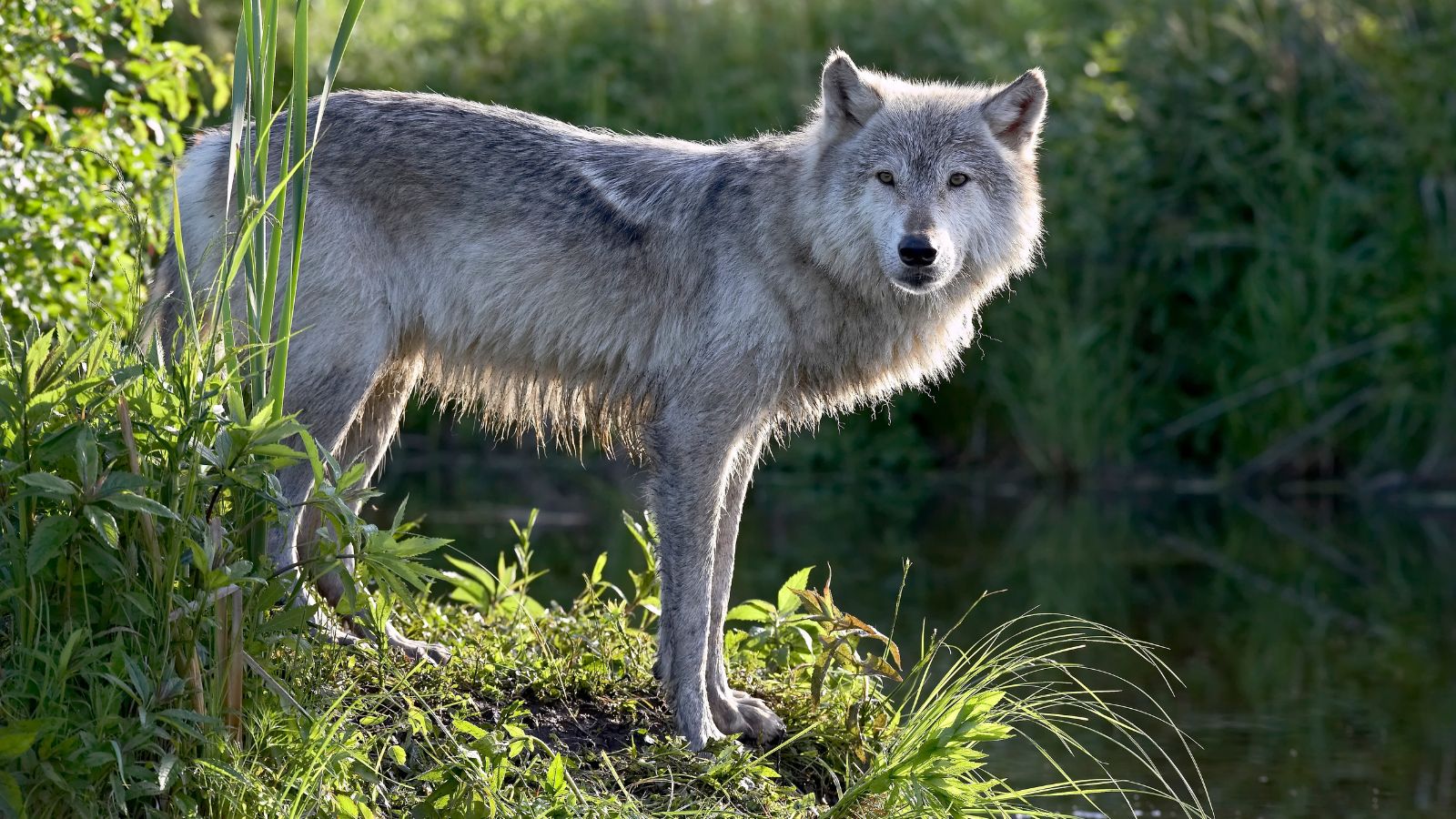
Minnesota is one of the few American states where wolves survived continuously despite decades of pressure elsewhere.
Unlike many western populations that disappeared and later required reintroduction, Minnesota’s wolves managed to persist in the northern forests near the Canadian border. Today, the state supports an estimated population of around 2,900 wolves, making it one of the largest wolf populations in the lower 48 states.
The state’s dense forests, countless lakes, and abundant prey provide ideal conditions for wolf packs. White-tailed deer remain an important food source, while smaller animals also contribute to their diet.
Northern Minnesota’s wilderness areas allow wolves to establish territories that can cover dozens of square miles. These packs often operate quietly, rarely seen by humans despite their presence.
The gray wolf has become an important symbol of Minnesota’s wild character. From wildlife research programs to local culture and sports imagery, wolves remain deeply connected to the identity of the region.
New Mexico
New Mexico is home to one of America’s most unique wolf recovery efforts.
Unlike the larger northern gray wolves found across much of the country, Mexican gray wolves are smaller, more specialized predators adapted to the Southwest.
Reintroduction programs during the late 1990s helped establish a population in the forests of New Mexico and Arizona. Today, around 160 Mexican gray wolves survive in the wild.
Each wolf is carefully monitored through identification systems, tracking programs, and conservation research. Their recovery has faced challenges involving habitat limitations, legal disputes, and conflicts with human activities.
Despite those obstacles, the Mexican gray wolf remains one of the most important endangered species recovery efforts in the United States.
Montana
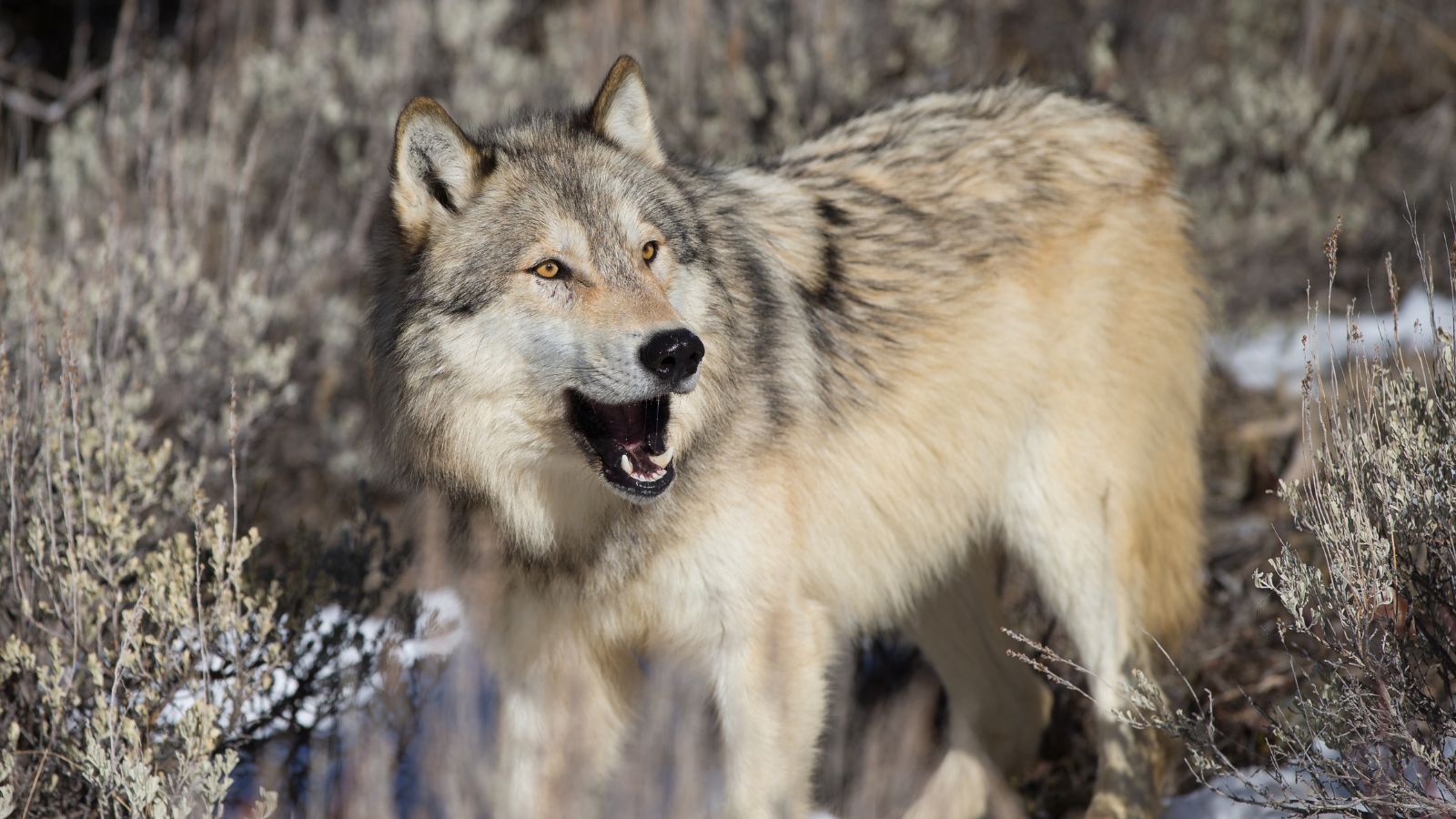
Montana’s wolves represent one of the most famous wildlife restoration stories in the world.
When wolves returned to the Greater Yellowstone ecosystem in the mid-1990s, scientists watched closely to see how their presence would affect the environment. The results became a landmark example of how predators can reshape entire ecosystems.
Montana now supports more than wolves, particularly in areas connected to Yellowstone National Park and surrounding wilderness regions. Some wolves have traveled hundreds of miles while searching for new territories or forming new packs.
Their impact extends far beyond controlling elk numbers. As elk populations changed, vegetation such as willow and aspen recovered in certain areas. Those changes affected other species, including birds, beavers, and smaller mammals.
The story of Montana’s wolves demonstrates that predators influence much more than their immediate prey. They help shape the entire natural world around them.
Michigan
Michigan’s Upper Peninsula has become a powerful example of natural wolf recovery.
After disappearing from much of the state, wolves returned naturally during the late 20th century, moving across the Great Lakes region from nearby populations. Today, approximately 750 wolves live in Michigan, primarily in the Upper Peninsula.
The region’s remote forests and abundant deer populations create favorable conditions for wolf packs. These animals have established stable territories and successfully reproduced for decades.
Michigan’s wolves have also been involved in unique ecological situations, including movements across frozen sections of Lake Superior. Some wolves have reached Isle Royale, an isolated island ecosystem famous for studying predator and prey relationships.
The return of wolves to Michigan highlights how wildlife can recover when suitable habitat remains available.
Alaska
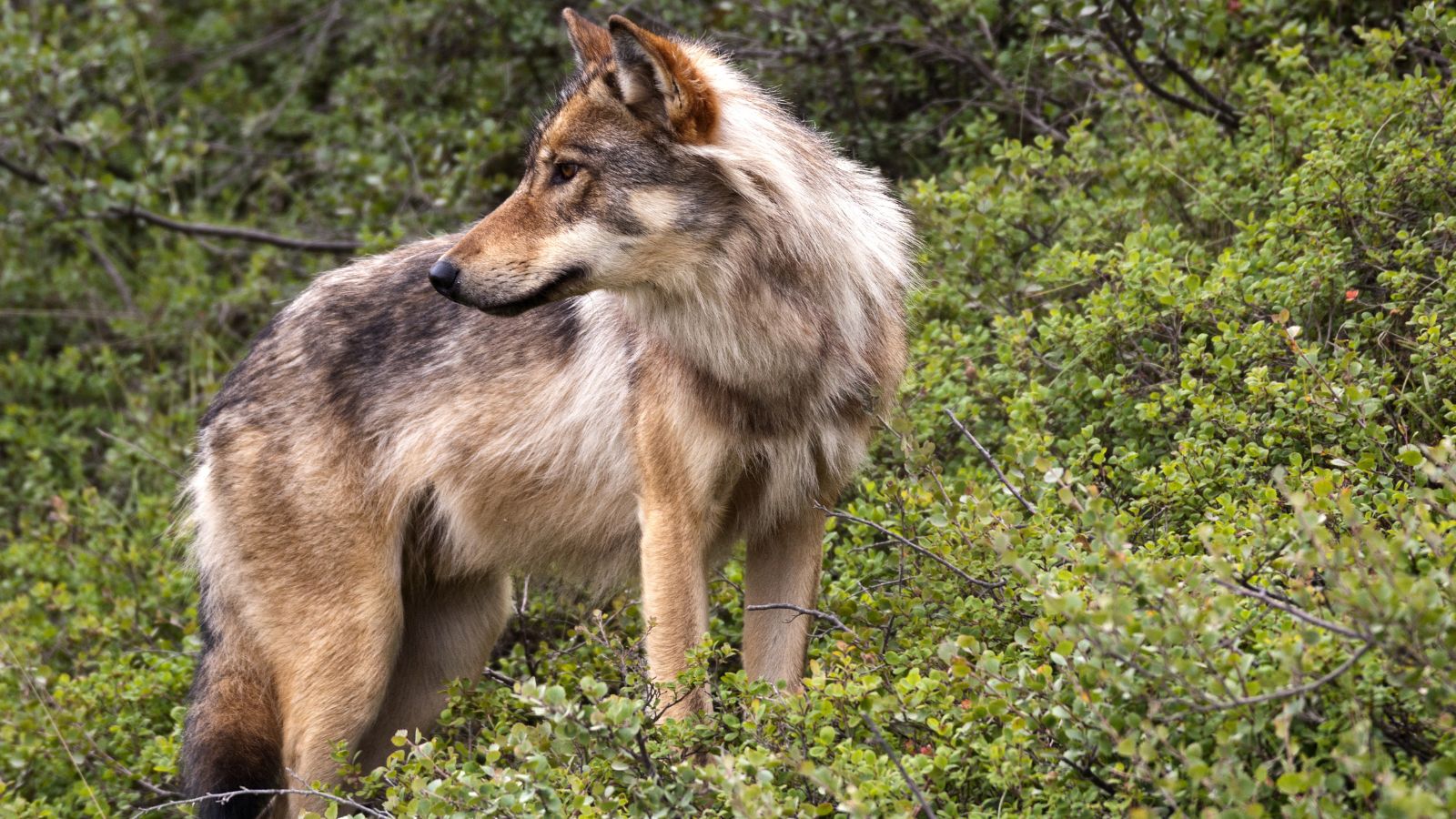
No state in America matches Alaska when it comes to the sheer scale of wolf habitat and population size.
Alaska remains the ultimate wolf country, with thousands of wolves spread across forests, tundra, mountains, and remote wilderness areas that stretch for millions of acres. Estimates place the state’s wolf population somewhere between 7,000 and 11,000 animals, making it home to the largest concentration of wild wolves in the nation.
The vastness of Alaska allows wolves to live with minimal human interference compared with populations in more densely populated states. Packs travel enormous distances in search of prey, following seasonal movements of moose, caribou, deer, and smaller animals.
Wolves play a major role in maintaining Alaska’s ecological balance. By controlling large herbivore populations, they prevent overgrazing and help maintain healthier landscapes. Their presence also creates opportunities for scavengers such as ravens, eagles, and bears that rely on remains from wolf kills.
In Alaska, wolves are not rare visitors. They are a permanent part of the wilderness.
Idaho
Idaho transformed from a state with no established wolf population into one of America’s most important wolf territories.
Wolves returned to Idaho during the 1990s after being reintroduced as part of a broader effort to restore populations in the Northern Rockies. Since then, their numbers have grown significantly, with roughly 1,500 wolves now occupying large portions of the state.
The state’s rugged mountains, forests, and protected wilderness areas provide excellent wolf habitat. Idaho’s wolves frequently move across borders, traveling between Montana, Oregon, Washington, and other nearby regions.
Many Idaho wolves have been studied through tracking programs, including animals fitted with GPS collars that reveal their movements, hunting patterns, and social behavior. These studies have helped scientists understand how wolves adapt to modern landscapes.
Their return has also created debate among ranchers, hunters, conservationists, and wildlife managers. Balancing wolf conservation with human concerns remains one of the biggest wildlife management challenges in the American West.
Oregon
Oregon’s wolves have captured public attention because of one remarkable animal that crossed the state’s history books.
Wolves began returning to Oregon after dispersing from neighboring Idaho during the late 1990s and early 2000s. Today, more than 200 wolves live primarily in northeastern parts of the state.
One wolf, known as OR-7, became famous after traveling more than 1,000 miles and becoming the first confirmed wolf in western Oregon in nearly a century.
His journey demonstrated wolves’ incredible mobility and proved they could reclaim territories where they had been absent for generations.
Oregon continues to monitor its growing wolf population while developing strategies to balance conservation goals with agricultural concerns.
Conclusion
The return of wolves across America proves that wildlife recovery is possible when conservation, science, and habitat protection work together.
From Alaska’s enormous wilderness to the forests of Wisconsin and the mountains of Idaho, wolves continue to reclaim their place in the natural landscape.
Their future will depend on careful management, public understanding, and continued efforts to balance ecological needs with human interests. Wolves are not simply symbols of the wild. They actively help maintain healthy ecosystems.
As these remarkable predators continue to expand into historic territories, they remind us that even species pushed to the edge can find a path back. The howl of the wolf remains one of the most powerful sounds of America’s remaining wilderness.
If you like what you just read, then subscribe to our newsletter and follow us on social media.


