


This article was originally published on Crafting Your Home. A human contributor also wrote and edited the post.
Trees can look strong and healthy from the ground, but hidden problems inside branches, roots, or trunks can turn a beautiful tree into a serious safety risk. That is where arborists come in.
Many homeowners think tree care is simply about trimming branches or removing dead limbs. While pruning is part of the job, professional arborists do much more. They study tree health, diagnose problems, prevent damage, and help trees survive for decades.
A healthy tree can increase property value, improve outdoor spaces, provide shade, and support local ecosystems. But like any living thing, trees need proper care.
Knowing when to call an arborist can make the difference between saving a tree and dealing with costly damage later.
What an Arborist Actually Does
An arborist is a trained professional who specializes in the care, maintenance, and management of trees and woody plants.
Unlike general landscapers, arborists focus specifically on tree biology, safety, and long-term health.
Their work can include inspecting trees for diseases, identifying pests, recommending treatments, pruning branches correctly, and evaluating whether a tree has become dangerous.
One of the biggest parts of an arborist’s job is tree assessment.
A tree may appear healthy on the outside while experiencing problems internally. Cracks, root damage, fungal growth, or structural weaknesses can develop without obvious warning signs.
Professional arborists use their knowledge of tree structure and growth patterns to identify risks before they become emergencies.
The International Society of Arboriculture (ISA), one of the leading organizations for tree care professionals, emphasizes that proper tree care requires specialized knowledge and training rather than simple cutting techniques.
Arborists also help homeowners understand what their trees need throughout different stages of growth.
A young tree may need proper shaping to develop a strong structure. An older tree may require careful maintenance to reduce hazards while preserving its health.
Signs Your Trees May Need an Arborist
Dead or falling branches
One of the clearest warning signs is dead wood in the canopy.
Dead branches can fall unexpectedly, especially during storms or strong winds. They can damage property, vehicles, or injure people nearby.
An arborist can determine whether pruning is enough or whether deeper problems are affecting the tree.
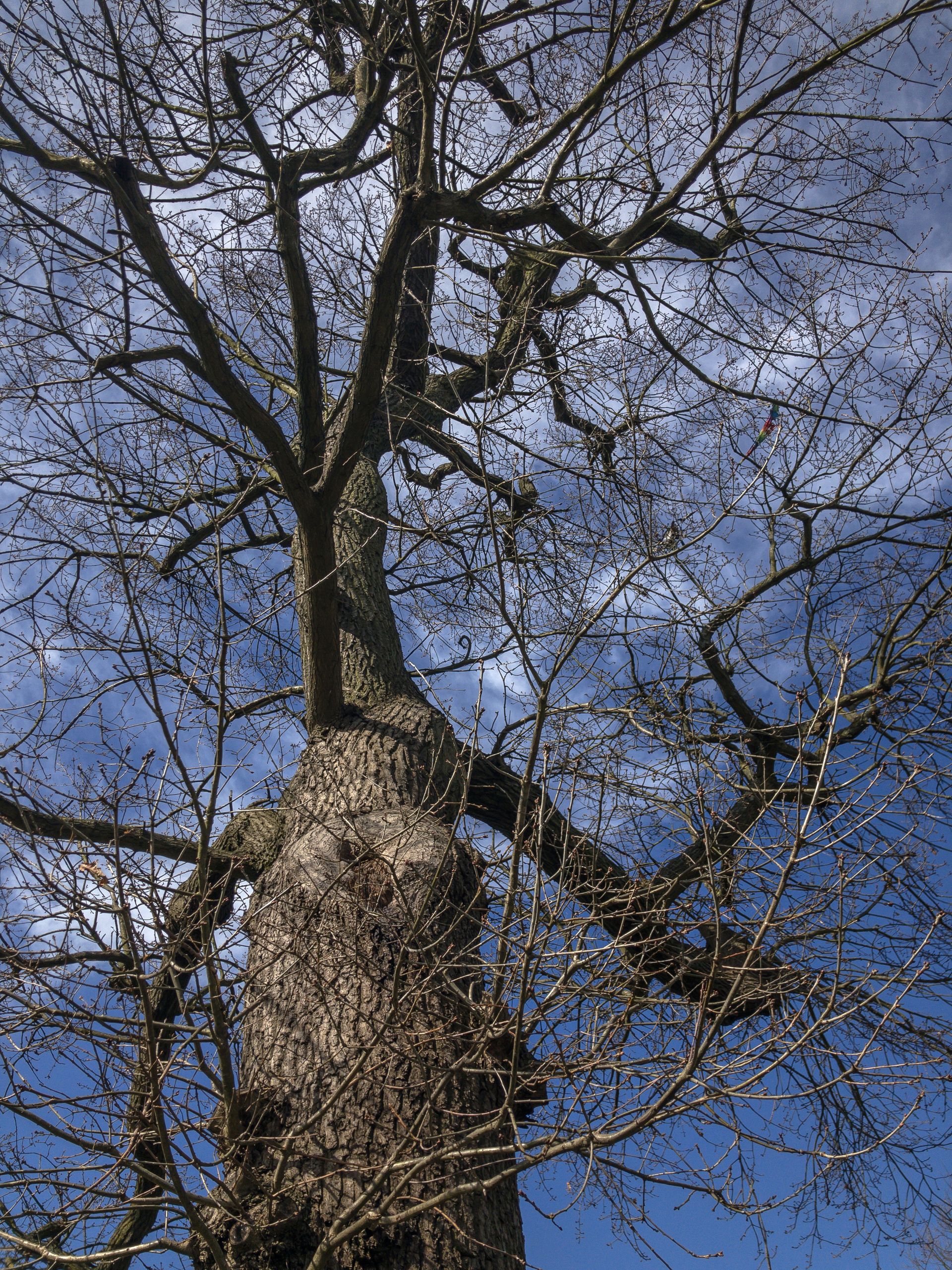
Cracks in the trunk or major branches
Large cracks are not just cosmetic problems.
They may indicate structural weakness that could cause a branch or entire tree section to fail.
A professional inspection can help determine whether the tree can be stabilized or whether removal may be necessary.
Leaning trees
A tree that suddenly begins learning deserves attention.
While some trees naturally grow at an angle, a new lean can signal problems with roots, soil stability, or storm damage.
Trees with compromised root systems may become dangerous because they can fall without much warning.
Unusual growth or fungal activity
Mushrooms growing around the base of a tree or unusual growth on the trunk can indicate decay.
Not every fungus means a tree is unhealthy, but certain fungal infections can weaken wood and affect stability.
An arborist can identify whether the growth is harmless or a sign of a larger issue.
Changes in leaves and branches
Healthy trees usually have consistent patterns of growth.
Warning signs include:
- Leaves turning color outside of normal seasonal changes
- Early leaf drop
- Thin or weak growth
- Large areas of dead branches
- Unusual spots or discoloration
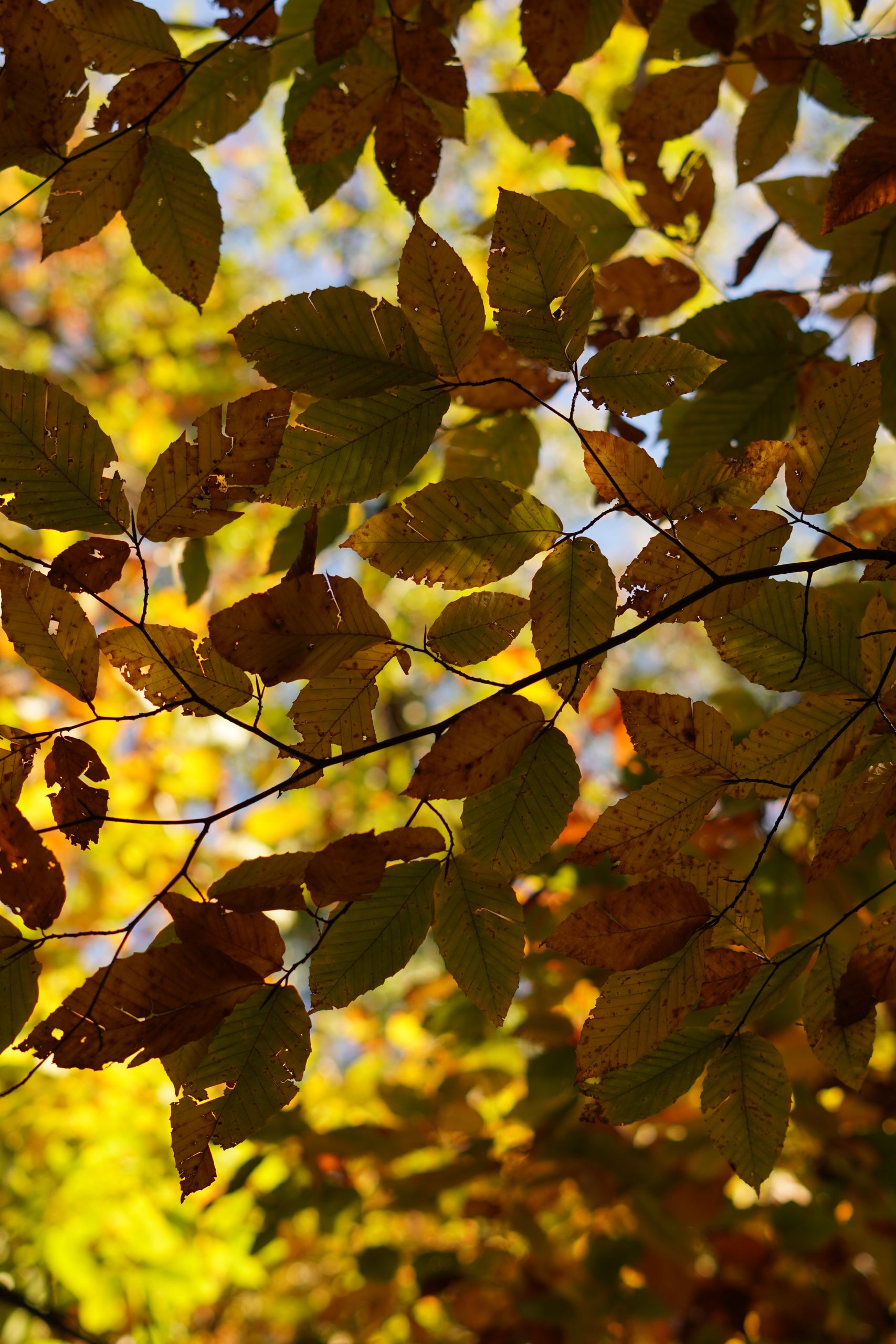
These symptoms may point to disease, insects, environmental stress, or nutrient problems.
Roots showing damage
Roots are the foundation of a tree’s health.
Construction work, soil compaction, flooding, or landscaping changes can damage root systems.
Because roots are mostly hidden underground, homeowners may not notice problems until the tree begins showing stress.
An arborist can evaluate whether the root system is affecting the tree’s stability.
Why Professional Tree Care Matters
Many homeowners attempt DIY tree trimming, especially after watching online tutorials.
However, improper pruning can create long-term problems.
Cutting branches incorrectly can weaken trees, encourage disease, and damage natural growth patterns.
Tree removal and large pruning projects can also be dangerous without proper equipment and training.
According to the Occupational Safety and Health Administration (OSHA), tree care work involves significant hazards, including falls, electrical risks, and equipment-related injuries.
Professional arborists are trained to manage those risks.
Hiring an arborist is not only about fixing problems. It is also about prevention.
Regular inspections can help identify issues before they become expensive emergencies.
A tree that receives proper care may live longer, remain safer, and continue providing benefits for years.
Choosing the Right Arborist
Not every person offering three services has the same level of training.
Homeowners should look for professionals with recognized credentials, such as ISA Certified Arborist status.
A qualified arborist should be able to explain:
- What condition the tree is in
- Why a specific treatment is recommended
- Whether pruning, treatment, or removal is necessary
- How the recommended work will improve tree health
A good arborist focuses on preserving trees, when possible, rather than immediately recommending removal.
The best tree care decisions consider both safety and the long-term health of the landscape.
Healthy Trees Start with Attention
Trees often become part of a home’s identity.
They provide shade during hot days, create beautiful views, and can remain in a yard for generations.
But trees cannot communicate when something is wrong.
Learning the warning signs and knowing when to call an arborist helps homeowners protect their property and their landscape.
A professional evaluation is often a small investment compared with the cost of repairing damage from a neglected tree.
The strongest trees are not always the ones left alone.
They are the ones cared for properly.
If you like what you just read, then subscribe to our newsletter and follow us on social media.


