

The post Airport Security Rules That Have Changed Since You Last Flew first appeared on Crafting Your Home.
If you haven’t flown in a while, airport security may feel like it’s entered a completely new era. You may walk into a checkpoint expecting the old routine, take out your laptop, remove your liquids bag, empty your pockets, and maybe take off your shoes, only to discover that the rules have changed.
But here is the tricky part: airport security hasn’t changed with one big worldwide switch. Instead, it has evolved through a mix of new technology, updated identity systems, automated lanes, and airport-specific procedures. The biggest surprise for many returning travelers is that the same item can be treated differently at two different airports, or even at two different security lanes in the same airport.
So, what should modern travelers expect? Think less “memorize one perfect checklist” and more “know the basics, then check your departure airport.”
The biggest change: smarter security technology
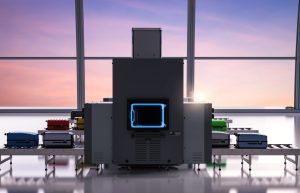
One of the biggest upgrades happening worldwide is the introduction of CT scanners for carry-on bags. These scanners create a three-dimensional image of your bag, allowing security officers to examine items layer by layer instead of relying only on traditional two-dimensional X-ray images.
For travelers, this can mean less unpacking. At some CT-equipped lanes, you can leave laptops, tablets, and approved liquids in your bag. However, don’t assume this means every airport has abandoned old rules. A CT scanner may change how you pack your bag, but it does not automatically remove national liquid restrictions.
That means the famous 100 mL liquid rule is still alive in many places. The difference is that some airports with newer equipment may allow you to keep those small containers packed away instead of placing them separately in a tray.
Why your airport matters more than ever
Travelers often search for “the latest airport security rules,” but the better question is: “What are the rules at my departure airport, terminal, and checkpoint?”
For example, the United States still follows the TSA 3-1-1 liquids rule: containers must be 3.4 ounces (100 mL) or smaller, placed in one clear quart-size bag. CT technology may reduce the need to remove that bag, but it does not change the container-size limit.
The United Kingdom is a perfect example of why travelers need to pay attention. Some upgraded airports have introduced larger liquid allowances, while others still follow traditional limits. Heathrow’s newer screening process allows containers up to two liters, but that does not mean every UK airport follows the same system.
The same pattern appears in Europe. The European Union’s general guidance still uses the 100 mL container rule, although selected airports with approved technology may operate differently.
Your laptop might stay packed, but don’t celebrate too soon

Remember the old airport dance: open your bag, pull out the laptop, remove the liquids, find a tray, and hope nothing falls out?
That routine is changing.
At CT-equipped checkpoints, you may leave electronics in your carry-on. However, traditional screening lanes may still require you to remove large electronics. Canada, for example, distinguishes between normal screening lines and CT-equipped lanes when giving travelers instructions.
The smartest strategy? Keep electronics easy to reach until you know what your lane requires. Don’t bury your laptop under clothes and toiletries just because your last airport let you leave it packed.
Identity checks are becoming more digital
Another major shift is happening with travel identity. In the United States, REAL ID enforcement began on May 7, 2025. Travelers using a state-issued driver’s license or ID for domestic flights need either a REAL ID-compliant card or another TSA-accepted identification document.
Digital identity tools are also expanding. TSA’s Touchless ID program allows eligible travelers at participating airports to verify identity using facial matching instead of showing a physical ID in certain situations. However, it is optional, limited, and not a replacement for normal travel documents.
The lesson? Seeing cameras at security does not mean every traveler must use facial recognition. Travelers still have choices and should understand what program they are actually using.
Don’t forget the rules that still cause problems
While technology gets the attention, many travel mistakes come from everyday packing choices.
Power banks and spare lithium batteries remain a common trouble spot. Spare batteries and power banks generally belong in carry-on baggage, not checked luggage. Battery size also matters, and higher-capacity batteries often require airline approval or are prohibited.
Food can also be confusing. A sandwich is usually easy. A jar of peanut butter, yogurt, sauce, soup, or spread may be treated like a liquid or gel.
And remember: a half-empty bottle is still a large bottle. Security rules often focus on the container size, not how much is left inside.
The easiest way to make security less stressful
The best airport security trick is simple: prepare for uncertainty.
Check your departure airport’s official security guidance before flying. Keep liquids and electronics accessible. Pack batteries correctly. Carry important medication in an easy-to-reach place. And avoid assuming that a rule from one airport automatically applies everywhere else.
Modern airport security is faster and more technology-driven than before, but it is also more varied. The traveler who adapts moves through the checkpoint with the least stress.
In other words: pack smart, check the rules, and let the machines do the complicated work.
Other Posts You Might Also Like
- If You’re Over 60, Flight Attendants Say Never Fly Without Asking for These 5Things
- 13 Travel Mistakes That Can Turn Your Dream Trip Into a Stressful Mess
If you like what you just read, then subscribe to our newsletter and follow us on social media.


