Tensions between the United States and Iran have escalated sharply after Washington launched military strikes on Iranian targets in response to an attack on a commercial cargo ship in the Strait of Hormuz.
The exchange marks one of the most dangerous breakdowns yet in the already fragile ceasefire framework meant to prevent a wider regional war.
U.S. Central Command confirmed that American forces carried out targeted airstrikes on Iranian missile and drone storage facilities as well as coastal radar installations.
The operation was described by U.S. officials as a “limited response” designed to deter further attacks on commercial shipping in one of the world’s most critical energy corridors.
A Cargo Ship Attack That Triggered Immediate Retaliation
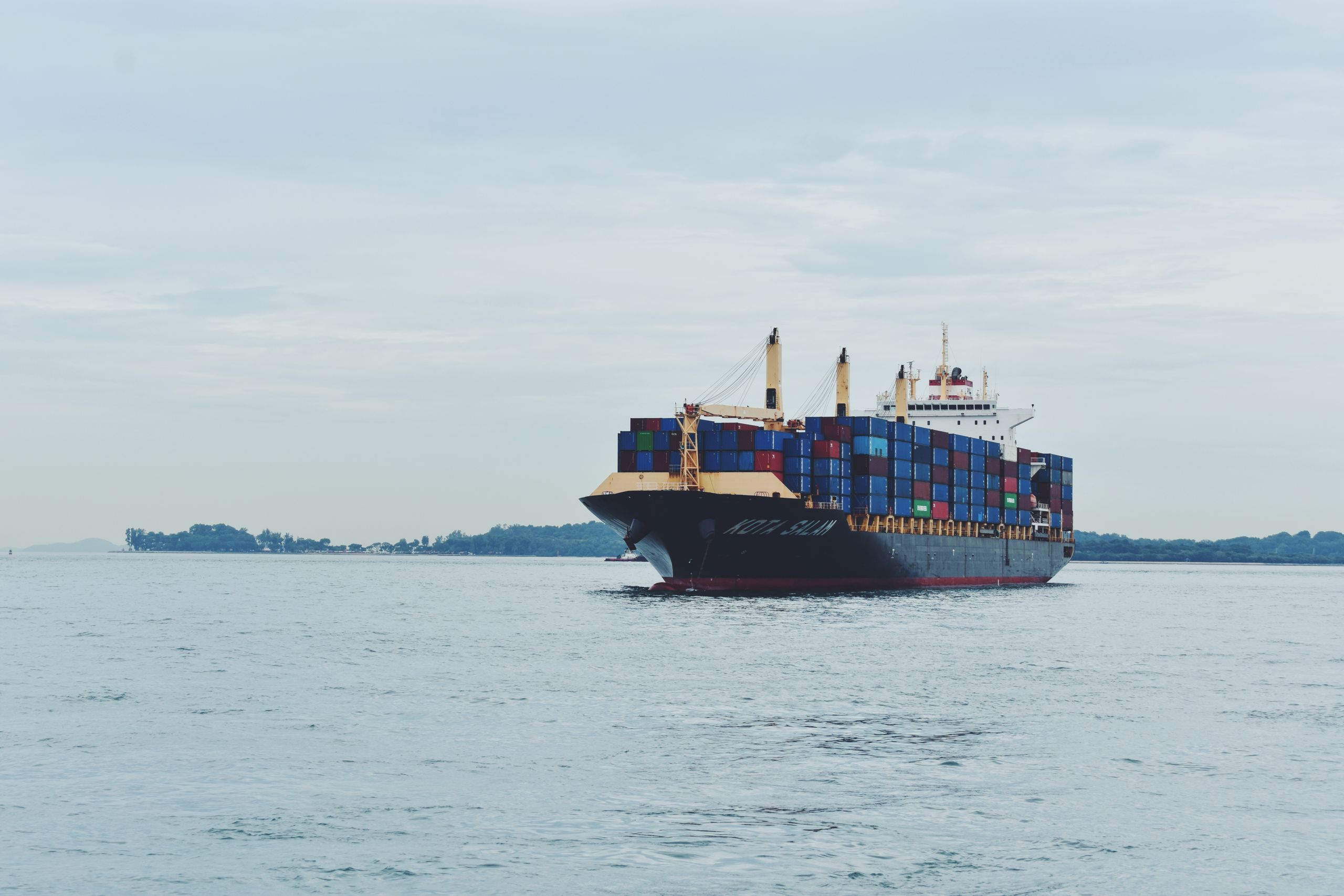
The escalation began after an Iranian drone strike reportedly hit a commercial cargo vessel traveling through the Strait of Hormuz, a strategic chokepoint through which a significant portion of global oil shipments pass.
Washington accused Tehran of violating the ceasefire agreement and endangering international maritime traffic.
In response, the U.S. military launched strikes on what it described as operational military infrastructure used to support drone and missile capabilities along Iran’s coastline.
Iran, however, rejected the U.S. justification and framed the American strikes as an act of aggression that undermines ongoing de-escalation efforts.
Iranian officials also claimed that their forces responded by targeting U.S. military-linked sites in the region, though details of the alleged retaliation remain unclear.
Competing Claims and Rising Uncertainty
Both sides are now presenting conflicting accounts of what triggered the latest escalation and how far the confrontation has spread.
The United States insists its actions were defensive and proportionate, aimed strictly at deterring attacks on civilian shipping.
Iran, meanwhile, argues that it is enforcing what it considers its maritime security rights in the Strait of Hormuz and has warned that continued U.S. military presence in the region will be treated as hostile.
The lack of independent verification of battlefield claims has added to uncertainty, with neither side releasing detailed evidence about the extent of damage or casualties.
Strait of Hormuz Becomes Flashpoint Again
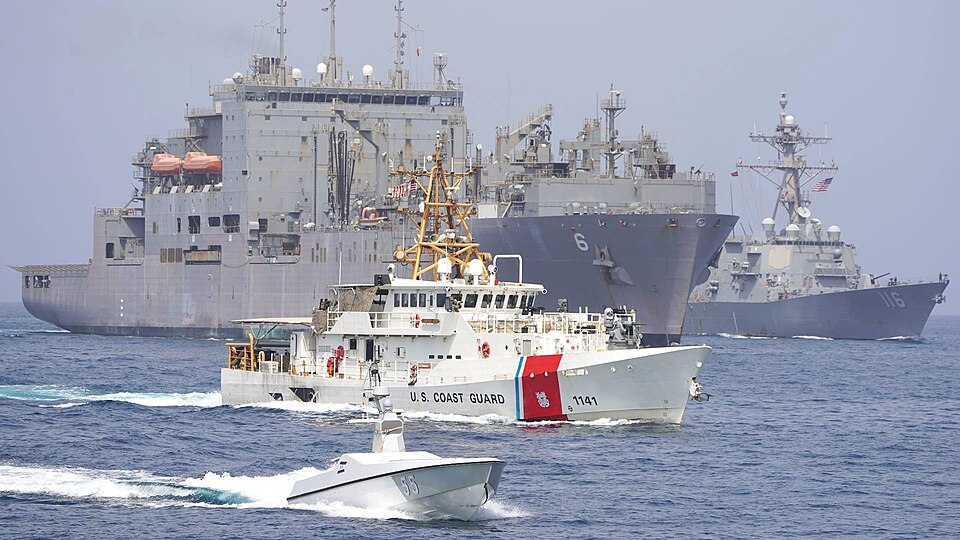
At the center of the crisis is the Strait of Hormuz, a narrow but vital shipping lane connecting the Persian Gulf to global markets.
Any disruption in the area immediately impacts global oil prices, shipping insurance costs, and international supply chains.
The latest round of strikes raises fears that commercial shipping could once again come under sustained threat, potentially forcing tankers to reroute and increasing volatility in global energy markets.
Risk of Escalation Grows With Every Strike
Security analysts warn that the situation is becoming increasingly unstable as both Washington and Tehran continue to respond in kind.
Even limited strikes risk triggering a cycle of retaliation that could quickly expand beyond controlled military targets.
The United States faces pressure to maintain deterrence without escalating into full-scale conflict, while Iran is signaling it will not back down from what it sees as violations of its sovereignty.
With both sides now claiming defensive justification for offensive actions, diplomatic space for de-escalation appears to be narrowing.
A Fragile Ceasefire in Freefall
The current ceasefire framework, already under strain for weeks, now appears to be on the verge of collapse. Each new strike undermines trust between the two sides and increases the likelihood of miscalculation.
As military operations continue and rhetoric hardens, the risk of a broader regional conflict involving allied forces and neighboring states grows significantly.
For now, the Strait of Hormuz remains open, but the political stability surrounding it is increasingly uncertain, and the next escalation may depend on a single ship, drone, or missile misint