


Two explosions in central Damascus have turned a high-profile diplomatic visit into a public safety test for Syria’s new government, leaving 18 people injured and raising fresh questions about how secure the capital really is as international leaders, business delegations, aid workers, and residents move through the city.
Syrian authorities said the blasts happened Tuesday near the Ministry of Tourism in Damascus, close to the Four Seasons Hotel area, while French President Emmanuel Macron was in the capital for talks with Syrian President Ahmad al-Sharaa. The Syrian Interior Ministry said 18 people were injured, including four police officers, and that the incident did not threaten Macron’s official visit, which continued as scheduled.
The attack was not only a diplomatic scare. It was the kind of public safety incident that exposes the tension at the heart of Syria’s current moment: a government trying to sell stability to the world while ordinary streets remain vulnerable to hidden explosives, emergency cordons, and unanswered questions.
Two Devices, One Busy Capital Street, and a Fast-Moving Investigation
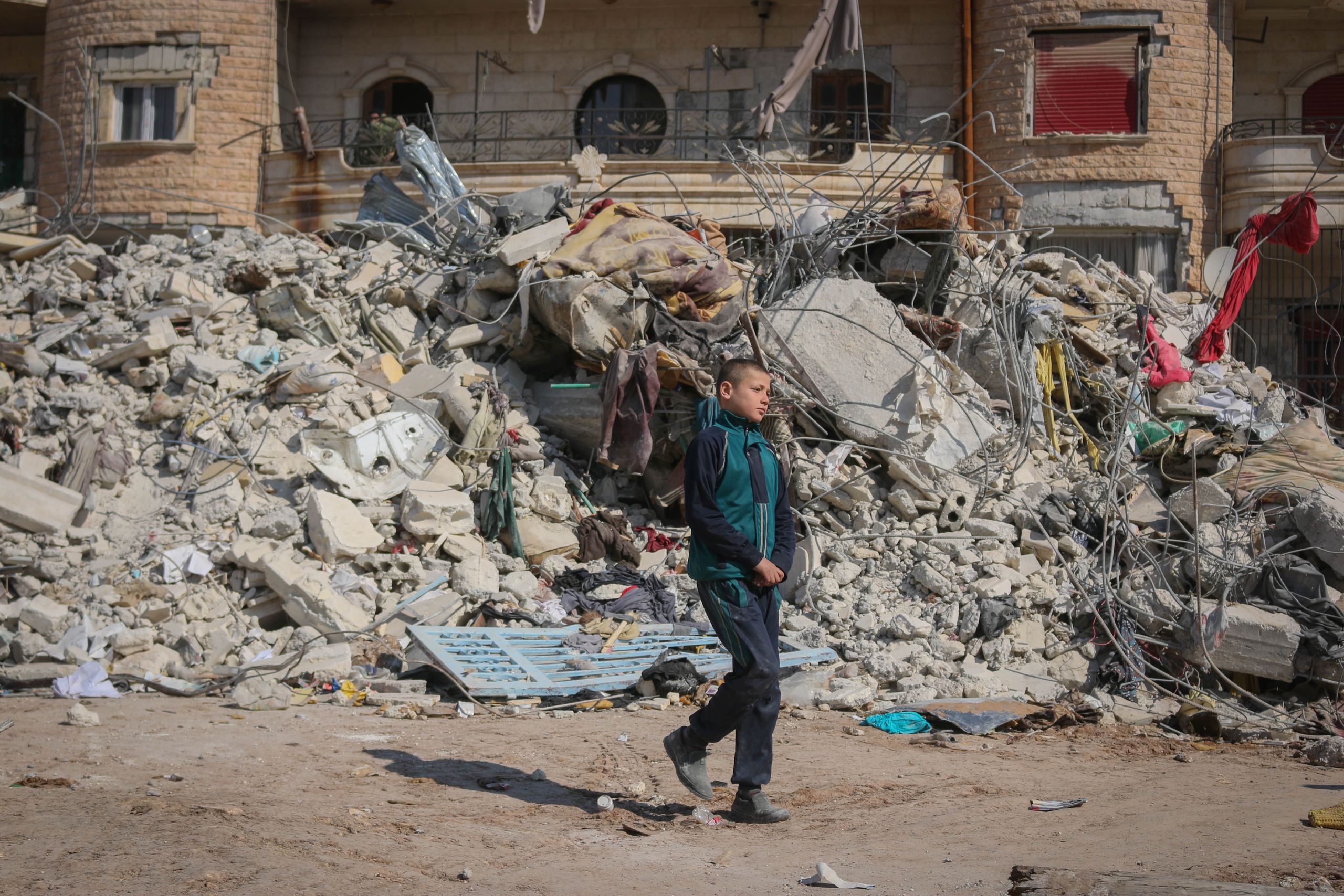
Authorities said Internal Security Forces detected two explosive devices during field operations and that specialized units had begun procedures to defuse them when the devices exploded. Preliminary findings indicated that both were improvised, with one placed inside a roadside vehicle and the other hidden in a trash container, the Interior Ministry said.
The location mattered. The blasts struck a sensitive area between the Tourism Ministry and the National Museum, across from the Four Seasons Hotel, a part of Damascus connected to official movement, foreign delegations, and government-facing activity. Reuters reported that Macron’s motorcade had left the hotel shortly before the blasts, and his office said he did not hear the explosions.
No group immediately claimed responsibility, and Syrian officials said an investigation was underway to identify those responsible. That distinction matters. Until investigators announce suspects, evidence, or arrests, the blasts remain an alleged attack under investigation, not a solved case.
For Damascus residents, however, the practical concern is immediate: if two devices can be planted in a high-security area during a presidential visit, what does that say about daily movement in crowded streets, public offices, hotels, cafes, and transport corridors?
Macron Was Safe, but the Message Was Hard to Miss
Macron was at the presidential palace when the explosions happened, and an Elysee Palace official said he was safe and that his meeting with al-Sharaa continued. The visit itself was historic, marking the first visit to Syria by a European Union head of state since Bashar al-Assad was toppled.
That timing gives the blasts a deeper public safety meaning. This was not just an explosion in a random side street. It happened as Syria’s new leadership was trying to stage a carefully controlled image of diplomatic return, economic reopening, and security confidence.
The suspected attackers, whoever they are, did not need to reach Macron to make a point. By detonating devices near a hotel linked to his visit, they forced the story away from handshakes and reconstruction deals and back toward the unresolved question of whether the capital can protect symbolic targets and ordinary civilians at the same time.
Why This Fits a Public Safety Pattern, Not Just a Diplomatic Incident
The Damascus explosions came only days after another deadly blast in the Syrian capital. On July 2, an explosive device detonated in a popular cafe near the main courthouse complex, killing at least nine people and wounding 20 others, Syria’s Health Ministry said. No group immediately claimed responsibility in that case either.
That earlier cafe attack is important because it shifts Tuesday’s blasts from an isolated scare into part of a wider concern: improvised explosive devices appearing in civilian or semi-civilian spaces in the capital.
The cafe targeted places tied to daily routines, such as lawyers’ offices and courthouses. The Macron-area blasts struck near a hotel and government sites. Different settings, same public safety anxiety: hidden devices in places people do not expect to become crime scenes.
Syrian authorities said investigators in the cafe case were reviewing security camera footage, collecting forensic evidence, and interviewing witnesses. Those same tools will likely be central to the new investigation: CCTV trails, vehicle checks, eyewitness statements, blast residue analysis, and the question of whether the two devices were meant to injure responders after the first alert.
The Second Blast Raises a Common Emergency Response Concern
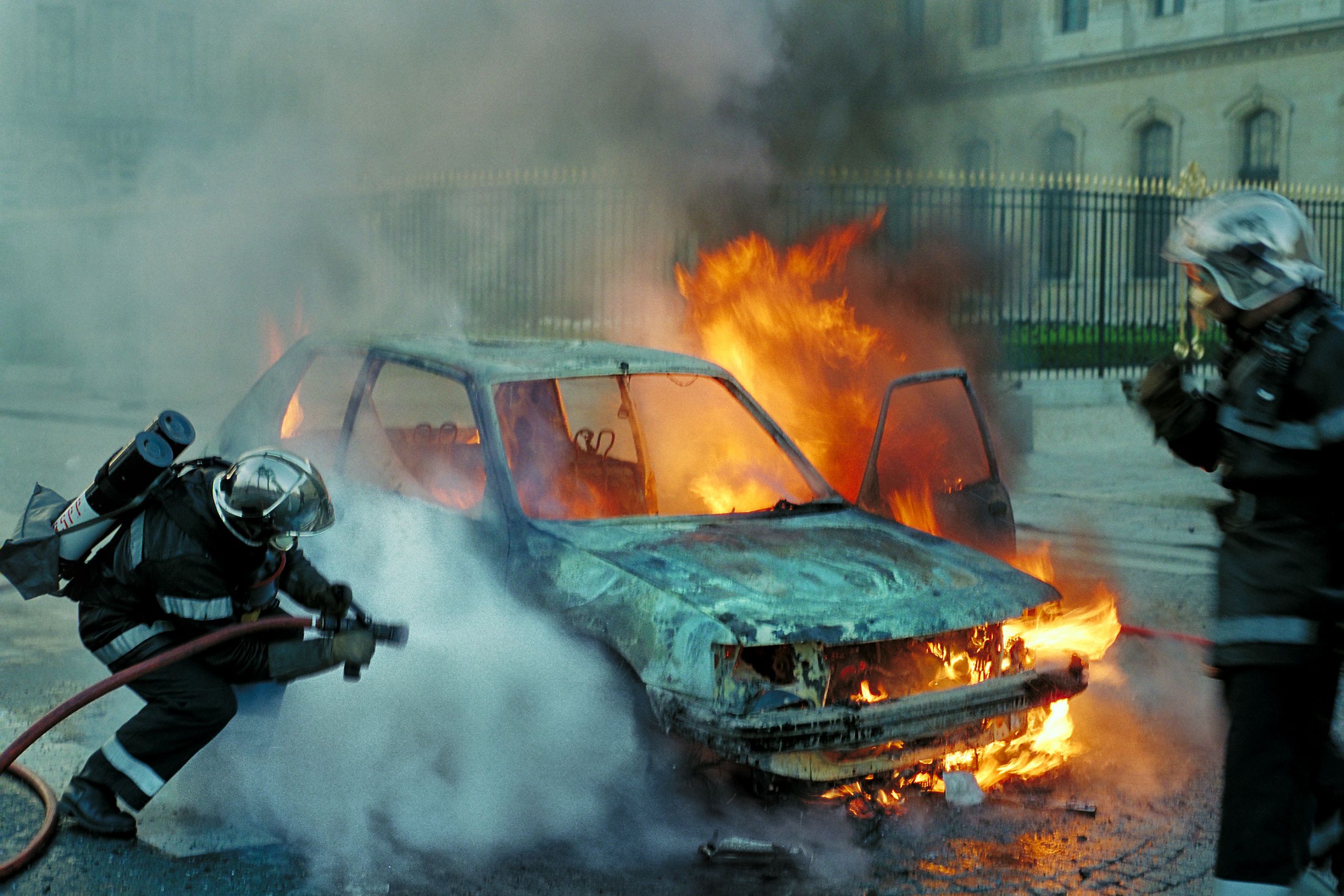
Reuters reported that the first blast occurred soon after Macron’s motorcade left for the presidential palace, and that a second explosion was captured on camera a few meters away. The second blast went off next to an ambulance parked at the scene, where about two dozen people had gathered.
That detail is especially important for public safety readers. In many bombing investigations, authorities examine whether a second device was intended to harm first responders, police, bystanders, or people drawn toward the first scene. Syrian officials have not publi