
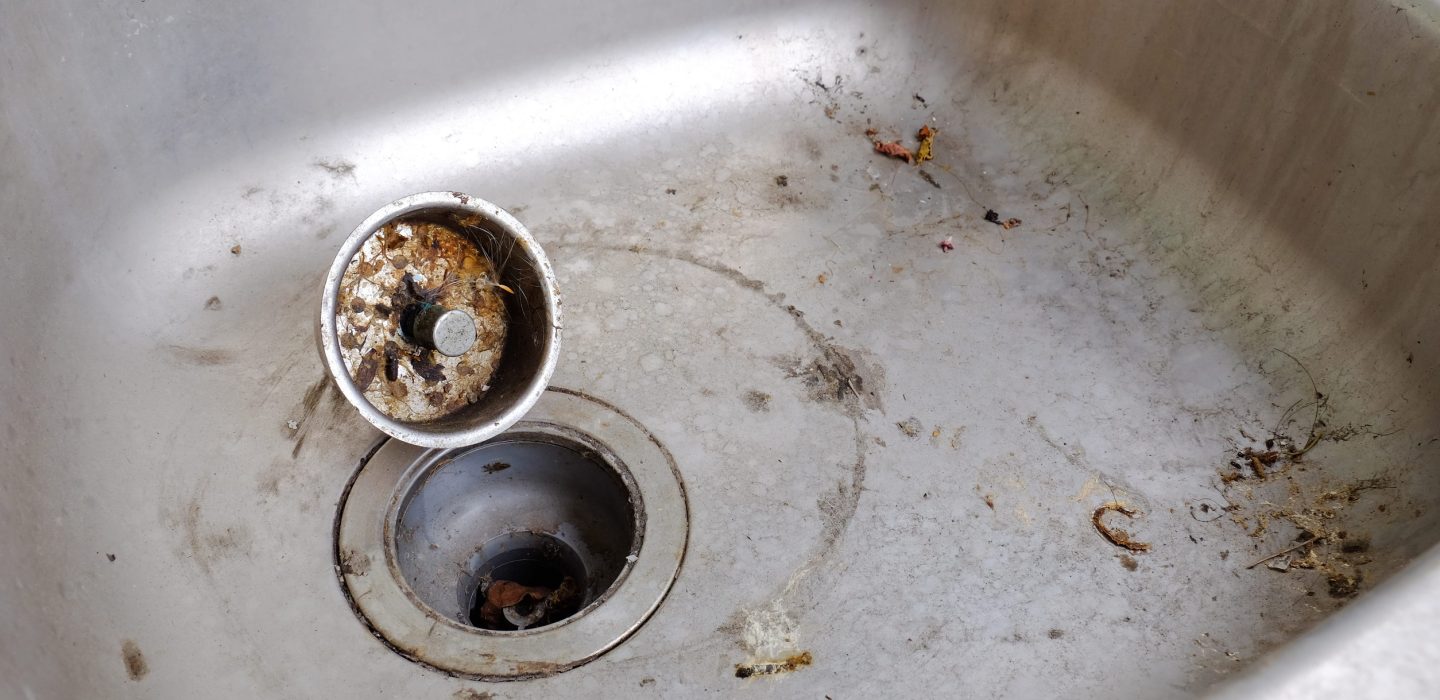

The post 8 Things You Should Never Put Down the Drain: What to Do Instead first appeared on Crafting Your Home.
It is easy to think of a kitchen or bathroom drain as a simple exit route: pour something in, turn on the water, and it disappears. But a drain is connected to a much larger system of pipes, sewers, septic tanks, pumps, and wastewater treatment facilities. What leaves your sink doesn’t necessarily stop mattering once it disappears from view.
Some materials can build up in plumbing, interfere with wastewater treatment, or enter the environment. For example, the U.S. Environmental Protection Agency (EPA) advises homeowners with septic systems not to put grease, coffee grounds, pharmaceuticals, household chemicals, paint, or other unsuitable materials down drains.
The good news is that preventing these problems is usually simple. Here are eight common things to keep out of your drains, and what to do with them instead.
Grease and Cooking Oil
Cooking oil, animal fat, butter, and other greasy substances are among the most important materials to keep out of drains. The problem is not simply that grease is thick. Fats, oils, and grease, often grouped as FOG, can build up in sewer pipes and contribute to blockages. A peer-reviewed review explains that FOG deposits can contribute to blockages in sewer lines, pumps, and wastewater treatment operations.
The EPA has similarly identified fats, oils, and grease as a cause of sewer blockages and sanitary sewer overflows. That means pouring a pan of used cooking oil down the sink isn’t a harmless shortcut. Even if it initially flows away with hot water, it can later contribute to deposits farther down the plumbing system.
A better approach is to let small amounts of grease cool and solidify, then place them in the appropriate household waste container according to local disposal rules. Larger quantities of used cooking oil may be accepted through local recycling or collection programs.
Coffee Grounds
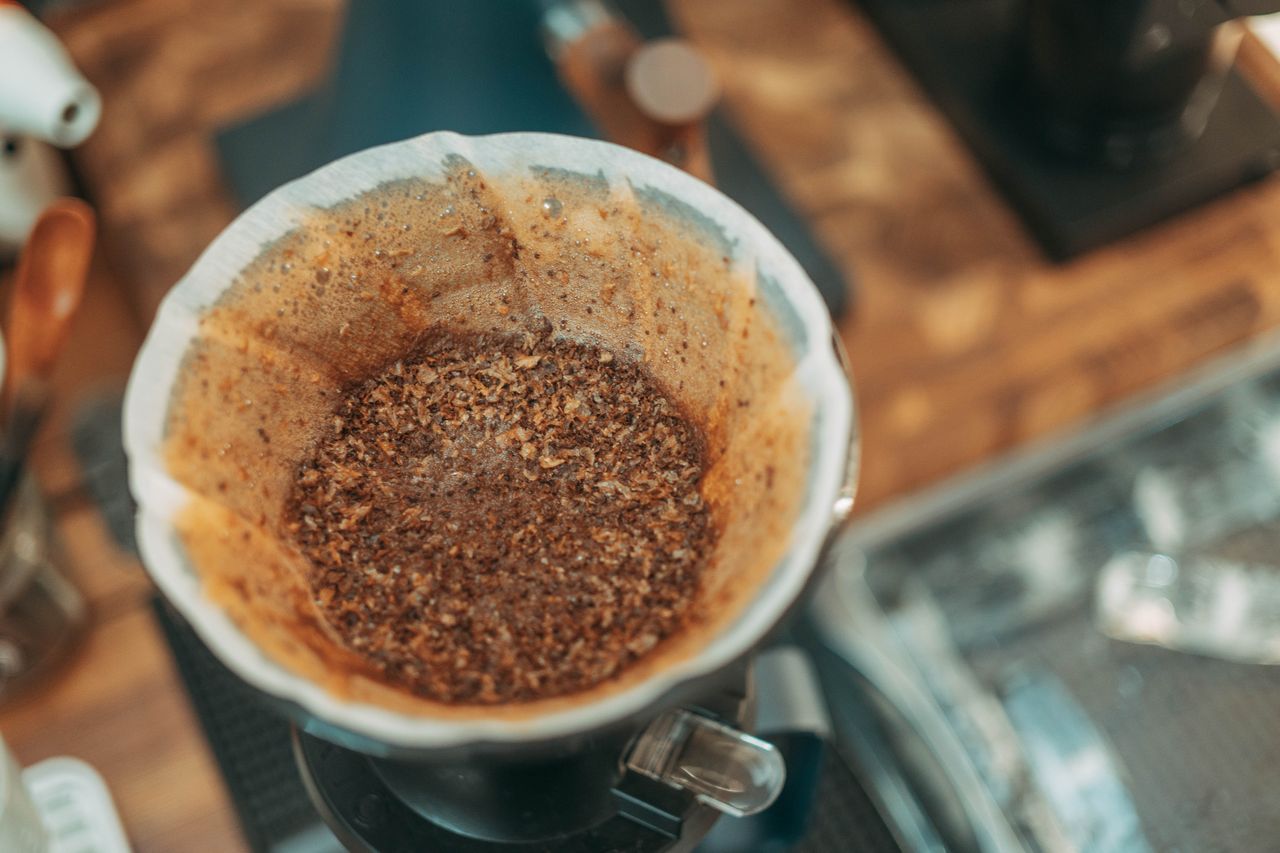
Coffee grounds are another everyday material that should not go down the drain. Ground coffee does not dissolve simply because water passes over it. EPA guidance specifically lists coffee grounds among materials that should not be put down drains or toilets, particularly in homes with septic systems. The concern is the addition of solid material to a system that is designed primarily to transport and treat wastewater. EPA notes that food waste and other solids can accumulate in septic systems and contribute to tank and drainfield problems.
There is no need to throw those grounds away, either. Coffee grounds can be added to compost, and research-based guidance from Oregon State University Extension describes ways to incorporate them into compost and soil. The simplest rule is to scrape the grounds into the trash or compost rather than washing them down the sink.
Related: Why Your Daily Coffee Could Be the Secret to Better Wellness
Flour, Batter, and Dough
Flour can look harmless because it is a dry powder, but mixing it with water changes how it behaves. Flour-based mixtures can become sticky and form a dense material instead of simply disappearing down the drain. This matters especially for septic systems, where hard-to-break-down solids can add extra load. Local wastewater guidance on septic-system management specifically warns against putting flour down drains because it breaks down slowly in the system.
The safest habit is therefore simple: scrape excess flour, batter, or dough into the trash or an appropriate food-waste or composting stream instead of washing it into the sink. This also applies to flour-containing mixtures. Pancake batter, dough, and similar kitchen waste are better handled as solid food waste than treated as something that belongs in the plumbing.
Paint
Paint is a different kind of drain problem because the main concern isn’t just a potential clog. Certain paints and paint-related products can contain substances that require controlled disposal. The EPA classifies certain leftover paints, solvents, and related products as household hazardous waste depending on their characteristics and local regulations. It specifically warns that household hazardous waste should not be poured down drains because it can be dangerous to people and harmful to the environment.
The appropriate disposal method depends on the product and local rules. Some communities have household hazardous-waste collection centers, while others have paint-recycling or collection programs. If you have leftover paint, check the label and your local waste-management authority rather than assuming that running plenty of water afterward makes it safe to pour away.
Harsh Chemicals and Household Cleaners
Household chemicals deserve extra caution because wastewater systems aren’t designed to make every chemical harmless. Examples can include solvents, pesticides, some strong cleaning products, automotive fluids, and certain drain or pool chemicals. EPA guidance identifies products such as paints, solvents, pesticides, and other corrosive, reactive, or toxic household materials as potential household hazardous waste.
Another important safety issue: never mix household chemicals just because you want to dispose of them. EPA warns that mixing chemicals can cause dangerous reactions. If you have an unwanted chemical product, keep it in its original container when possible and follow the manufacturer’s disposal instructions. For hazardous products, consult the local waste authority about collection options.
The same principle applies to drain cleaners. Using more chemicals is not automatically a better way to deal with a slow drain. If a drain is repeatedly blocked, identifying and removing the underlying obstruction may be safer than repeatedly adding chemical products.
Related: 7 Simple Ways to Go Green with Your Cleaning Routine
Medicines and Pharmaceuticals

Unused medicines pose a less visible problem because wastewater systems may not completely remove them. A peer-reviewed review in Science of the Total Environment describes pharmaceuticals as emerging contaminants that can enter aquatic environments through wastewater and notes that removal varies according to the substance and treatment process.
Medicine disposal requires an important qualification: not every medicine should simply be thrown in the trash, and not every medicine should be flushed. The U.S. Food and Drug Administration recommends take-back programs as the preferred option for most unused or expired medicines. For a limited group of medicines on its official flush list, flushing may be appropriate when a take-back option is not readily available. So, instead of following a blanket “never flush medicine” rule, check the specific medicine and follow your country’s official disposal instructions.
Food Scraps
Food scraps may seem like an obvious candidate for the garbage disposal, particularly when the pieces are small. But a garbage disposal does not make food waste disappear from the wastewater system. EPA advises homeowners with septic systems to limit garbage-disposal use because food waste adds solid material to the septic tank. It notes that increased solids can build up and potentially affect the drainfield.
This does not mean every food particle is guaranteed to clog a household drain. Plumbing type, wastewater system, disposal equipment, and materials all matter. The more useful rule is to avoid treating the sink as a food-waste bin.
Large quantities of food scraps are better handled through household trash, composting, or a local organics collection service where available. Particularly problematic materials include large quantities of fibrous or solid food waste. For people using septic systems, the argument is even stronger: reducing the amount of food waste entering the system can reduce the amount of solids that need to be managed.
Cat Litter
Don’t treat cat litter as flushable just because it absorbs liquid. EPA specifically lists cat litter among materials not to be flushed because it can clog and potentially damage septic-system components.
The safest disposal method is to follow the instructions on the litter packaging and local waste rules. In general, used litter belongs in an appropriate waste container rather than a sink or toilet. The same caution applies to products marketed as “flushable.” Marketing language does not necessarily mean that a product is appropriate for every plumbing or wastewater system.
Key Takeaways

Your drain is part of a larger wastewater system, not a household trash chute.
Keep cooking oil and grease, coffee grounds, flour and batter, paint, harsh chemicals, medicines, excessive food waste, and cat litter out of the drain unless official local guidance specifically says otherwise. The correct disposal method depends on the material and, in some cases, the type of wastewater system serving your home.
A few seconds spent putting waste in the right place can help prevent clogged plumbing, unnecessary maintenance, and avoidable contamination of wastewater and the environment.
Other Posts You Might Like
- 6 Places in Your Home You Should Never Use for Storage
- 8 Items You Should Never Store in Your Oven Drawer
- How to Get Rid of Moles in Your Yard (and Keep Them Away)
If you like what you just read, then subscribe to our newsletter and follow us on social media.


