



The post 8 Things Experienced Travelers Never Do at the Airport first appeared on Crafting Your Home.
Airports have a funny way of turning small mistakes into expensive problems. You arrive early, grab a coffee, check your boarding pass, and suddenly discover your gate has changed or your suitcase costs more than expected.
Experienced travelers know that getting through an airport smoothly isn’t just about showing up on time. It’s about understanding the little rules and deadlines that can catch anyone off guard. From baggage fees to security checkpoints, here are eight airport mistakes worth avoiding before your next flight.
They Never Assume Arriving Before Departure Is Early Enough
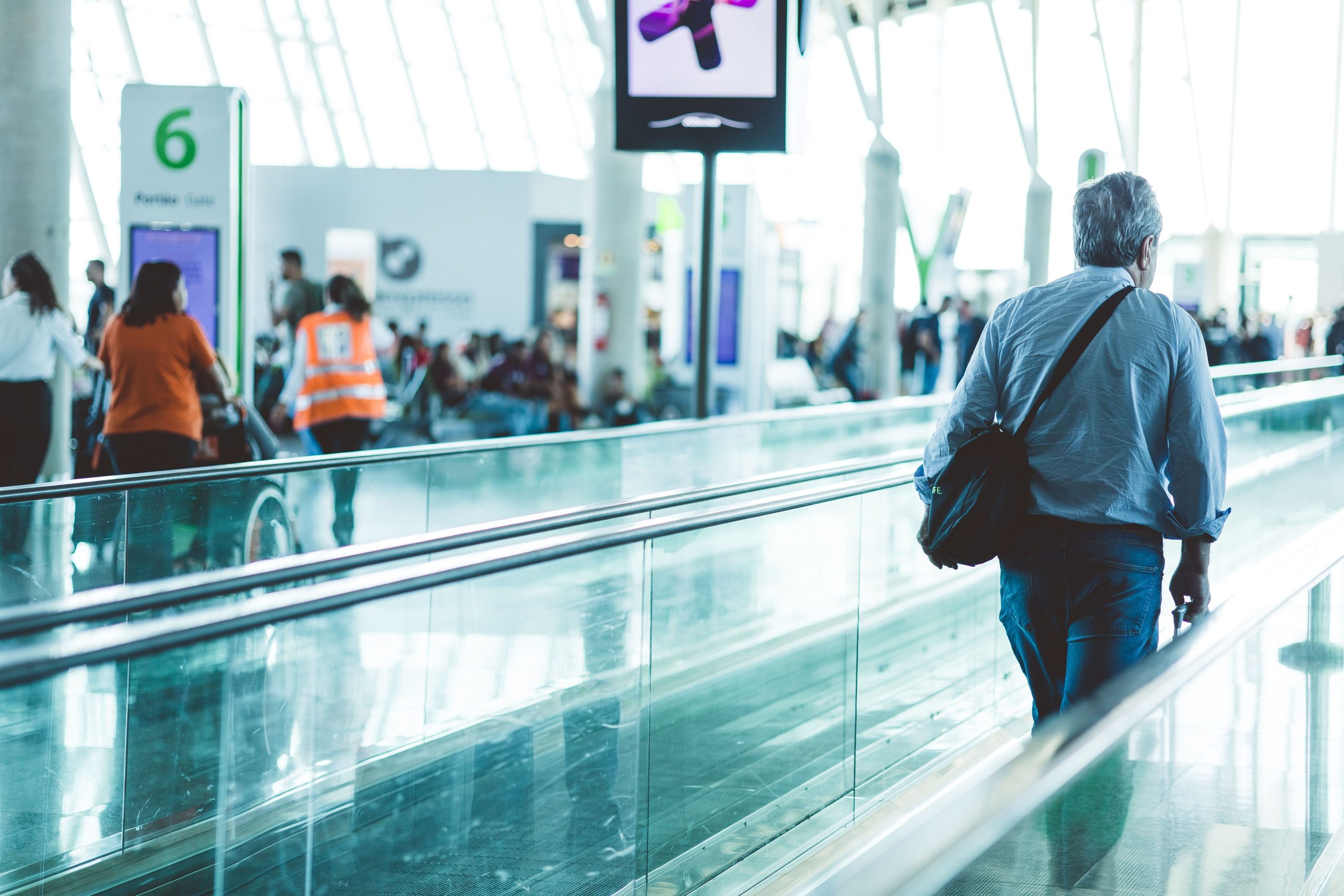
Showing up an hour before takeoff might sound reasonable, especially if you’ve already checked in online. Unfortunately, airlines operate on more than one clock. There are separate deadlines for checking bags, completing check-in, and reaching the boarding gate.
For example, American Airlines recommends arriving at least two hours before domestic flights and three hours before international departures. Its usual bag-check deadlines are 45 minutes before domestic flights and 60 minutes before international flights, although some airports have different requirements.
Passengers must also be ready at the gate before departure. Experienced travelers work backward from these deadlines rather than focusing only on takeoff time. They account for parking, security lines, airport shuttles, and the surprisingly long walk to some gates.
The lesson? Being inside the airport doesn’t necessarily mean you’re on time for your flight.
They Never Assume Their Driver’s License Is Enough
Imagine reaching the TSA checkpoint, handing over your driver’s license, and discovering it doesn’t meet the identification requirements. Since REAL ID enforcement began in May 2025, adults traveling domestically generally need a REAL ID-compliant license or another accepted document, such as a valid passport.
Travelers without acceptable identification may use TSA’s ConfirmID verification process, which costs $45 as of October 2026. However, paying that fee doesn’t guarantee successful identity verification. That’s an unpleasant surprise at the gate.
Experienced travelers check their identification well before leaving home. They also verify expiration dates and destination-specific document requirements. For domestic flights, a passport can serve as an alternative to a REAL ID-compliant driver’s license. A quick document check before departure can prevent a stressful airport surprise.
They Never Pay for Checked Bags Without Comparing Prices
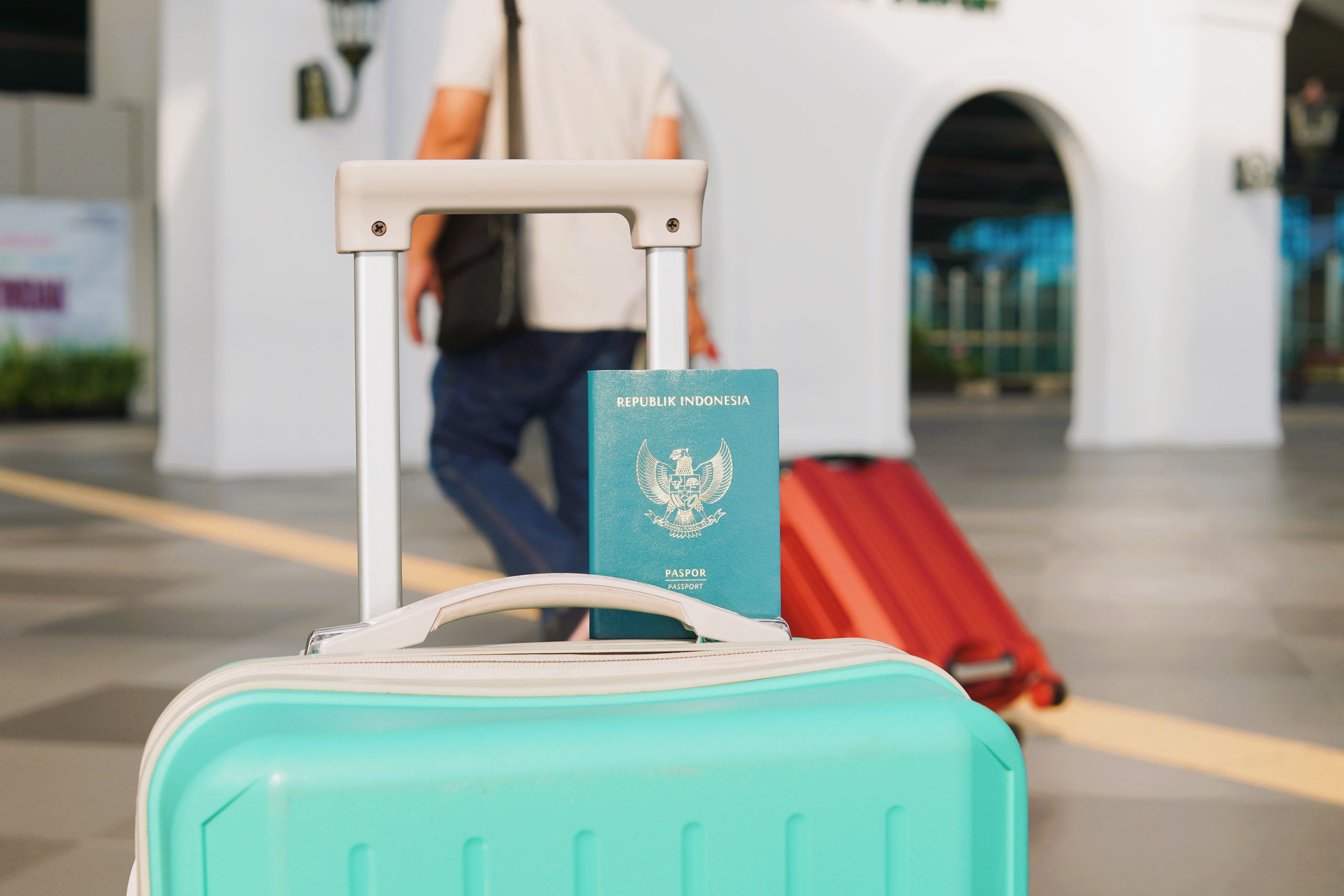
That suitcase might cost more to check at the airport than it would have online. Some airlines charge different baggage fees depending on when travelers pay, which fare they purchased, and where they’re flying.
For example, American Airlines lists a $50 airport fee for a first checked bag on qualifying domestic Main Cabin tickets issued from April 9, 2026. Paying online costs $45. For qualifying Basic Economy tickets issued from May 18, 2026, the corresponding prices are $55 at the airport and $50 online. $5 might seem insignificant, but paying extra both ways adds up.
Experienced travelers check their airline’s baggage allowance before packing. They also weigh suitcases, review size restrictions, and investigate whether their ticket or frequent-flyer benefits include checked luggage. Not every airline offers online payment discounts, so comparing the actual fees matters.
They Never Assume They Must Buy All Their Food at the Airport
Airport dining can be convenient, but relying entirely on terminal shops and restaurants can stretch a travel budget. Many travelers overlook a simple option: bringing their own snacks. According to the Transportation Security Administration(TSA), solid foods are generally allowed in carry-on luggage. Travelers can also take an empty reusable water bottle through security and fill it afterward at water stations.
There is one important catch. Foods classified as liquids or gels, including peanut butter, generally fall under the 3.4-ounce carry-on limit. Experienced travelers pack suitable snacks before leaving home, particularly when traveling with family or facing a long layover.
That doesn’t mean skipping airport restaurants altogether. Sometimes it’s worth buying a proper meal before boarding. The smart move is to have options instead of being forced to buy everything after security.
They Never Trust the First Gate Number They See
You clear security, find your gate, and settle into a comfortable chair. Everything looks perfect until you realize your flight moved to another terminal 20 minutes ago. Gate assignments can change, sometimes after passengers have already received their boarding passes.
Experienced travelers know that the gate number on a printed pass or saved screenshot isn’t necessarily the final one. Instead, they check airport departure screens, enable airline notifications, and periodically review flight information. For example, American Airlines offers notifications about gate changes, departure reminders, cancellations, and delays. Its mobile app can also update gate information on boarding passes.
A good habit is to double-check your gate after security and again before you wander off for food or shopping. And if the information on your phone conflicts with an airport display, ask an airline employee. Nobody wants to sprint through a terminal because they trusted an outdated screenshot.
They Never Gate-Check a Bag With a Power Bank Inside

You’re waiting to board when the airline announces that overhead storage is full. Passengers with larger carry-ons must check their bags at the gate. No big deal, right? It can become a problem if your suitcase contains a portable charger.
The Federal Aviation Administration (FAA) requires spare lithium batteries and power banks to stay in the aircraft cabin, not in checked luggage. According to the FAA’s guidance, updated August 11, 2026, passengers must remove these items before handing a carry-on to be gate-checked. The agency explains that lithium batteries can overheat and experience a dangerous process called thermal runaway.
Most ordinary lithium-ion batteries passengers carry are subject to a 100-watt-hour limit, though airline-specific restrictions may be tighter. Experienced travelers keep portable chargers in an easily accessible personal bag. They also move medications, valuable electronics, and essential documents before surrendering luggage.
That quick battery check isn’t merely convenient. It’s an important aviation safety requirement.
They Never Trust a Website Just Because It Has a Padlock
Free airport Wi-Fi can help you check flight updates, send messages, or make last-minute reservations. However, experienced travelers don’t assume every website is trustworthy simply because its address begins with HTTPS. The Federal Trade Commission explains that public Wi-Fi is generally safer than many people assume because modern websites commonly use encryption.
But encryption doesn’t prove that the person operating a website is legitimate. A fraudulent website can also have a padlock symbol. Imagine searching for your airline’s customer service page and accidentally opening a fake site that asks for payment details or account passwords.
Experienced travelers avoid this by using official airline apps, carefully checking website addresses, and enabling two-factor authentication. They also keep devices updated and avoid entering sensitive information into unfamiliar websites. The important distinction is simple: A secure connection doesn’t automatically mean you’re dealing with a trustworthy company.
They Never Accept an Airline Voucher Without Checking Their Refund Rights
Your flight is canceled, and the airline offers you a travel voucher. Accepting it might seem like the easiest way to resolve the problem. But experienced travelers know it’s worth checking whether they’re entitled to a refund first. Under U.S. Department of Transportation rules, passengers whose flights are canceled can qualify for a refund if they choose not to travel or accept the airline’s alternative arrangements or compensation.
Significant schedule changes can also qualify. For example, arriving at your destination three hours or more later than originally scheduled on a domestic itinerary, or six hours or more on an international itinerary, can trigger refund eligibility if you decline the changed travel arrangements.
These protections can apply even to nonrefundable tickets. That doesn’t mean every delay entitles passengers to extra cash or a free hotel. Refund eligibility and other airline commitments are separate issues. Experienced travelers compare their options before accepting credits or replacement flights.
They save airline messages and understand what they’re agreeing to. Sometimes rebooking is the better choice. Other times, getting your money back makes more sense.
Conclusion
Other Posts You Might Like
- 11-things-travelers-over-60-say-they-stopped-doing-on-vacation-and-dont-miss
- if-youre-over-60-travel-agents-say-never-book-these-7-kinds-of-trips
- the-free-tsa-service-older-travelers-can-request-72-hours-before-a-flight
If you like what you just read, then subscribe to our newsletter and follow us on social media.


