These 6 Old School Dining Etiquette Rules Are No Longer Followed
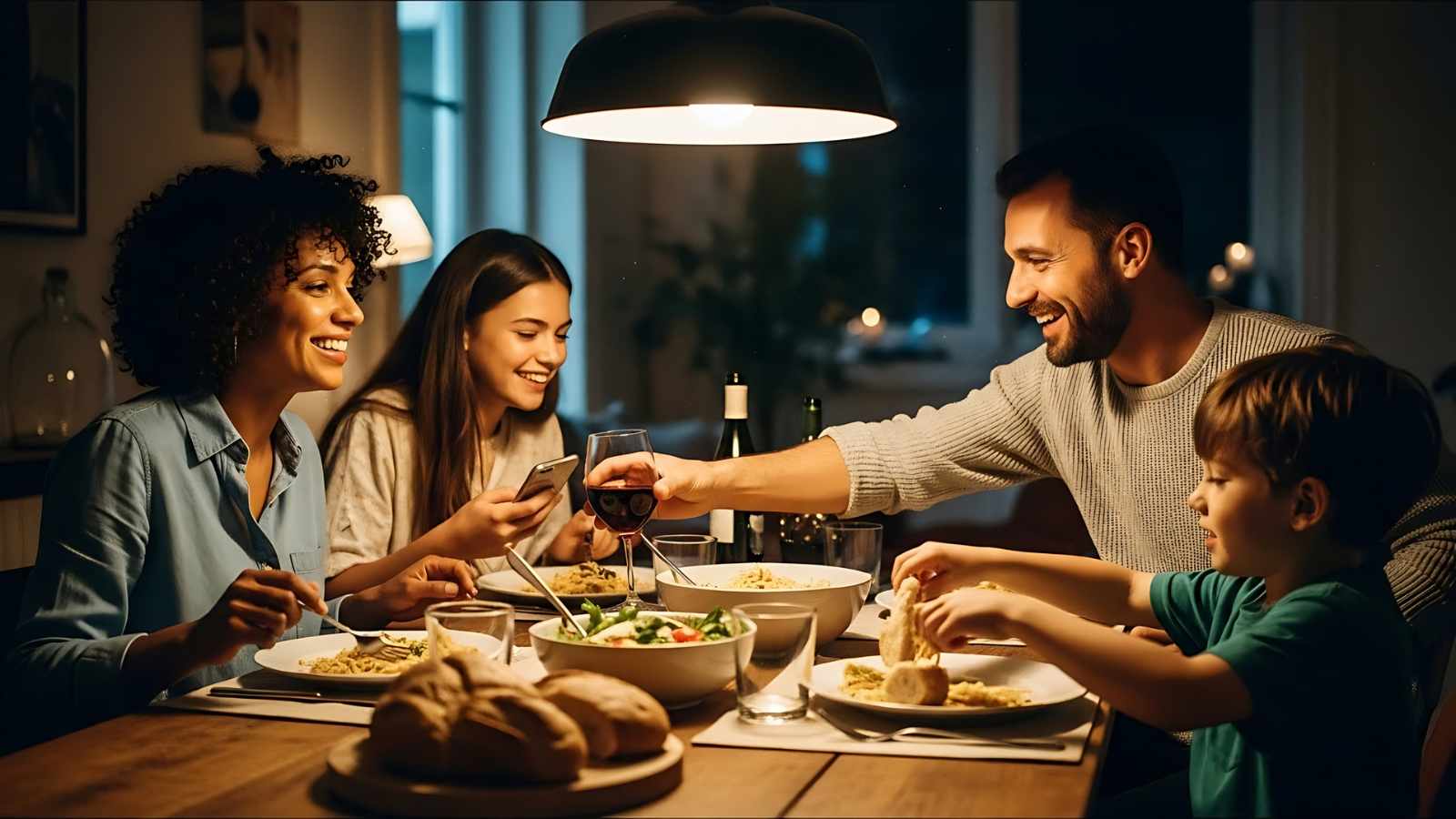
Dining etiquette has long been an integral part of social culture. The rules once adhered to during meals served not only as a guide to proper behavior but also as markers of civility. However, with the passing of time and the advent of modern lifestyles, many of these old-fashioned rules have become irrelevant, while others have evolved to accommodate new norms.
As we explore dining etiquette, it’s essential to recognize how societal changes, technological advancements, and evolving cultural attitudes have reshaped our approach to dining.
The Shared Table Experience
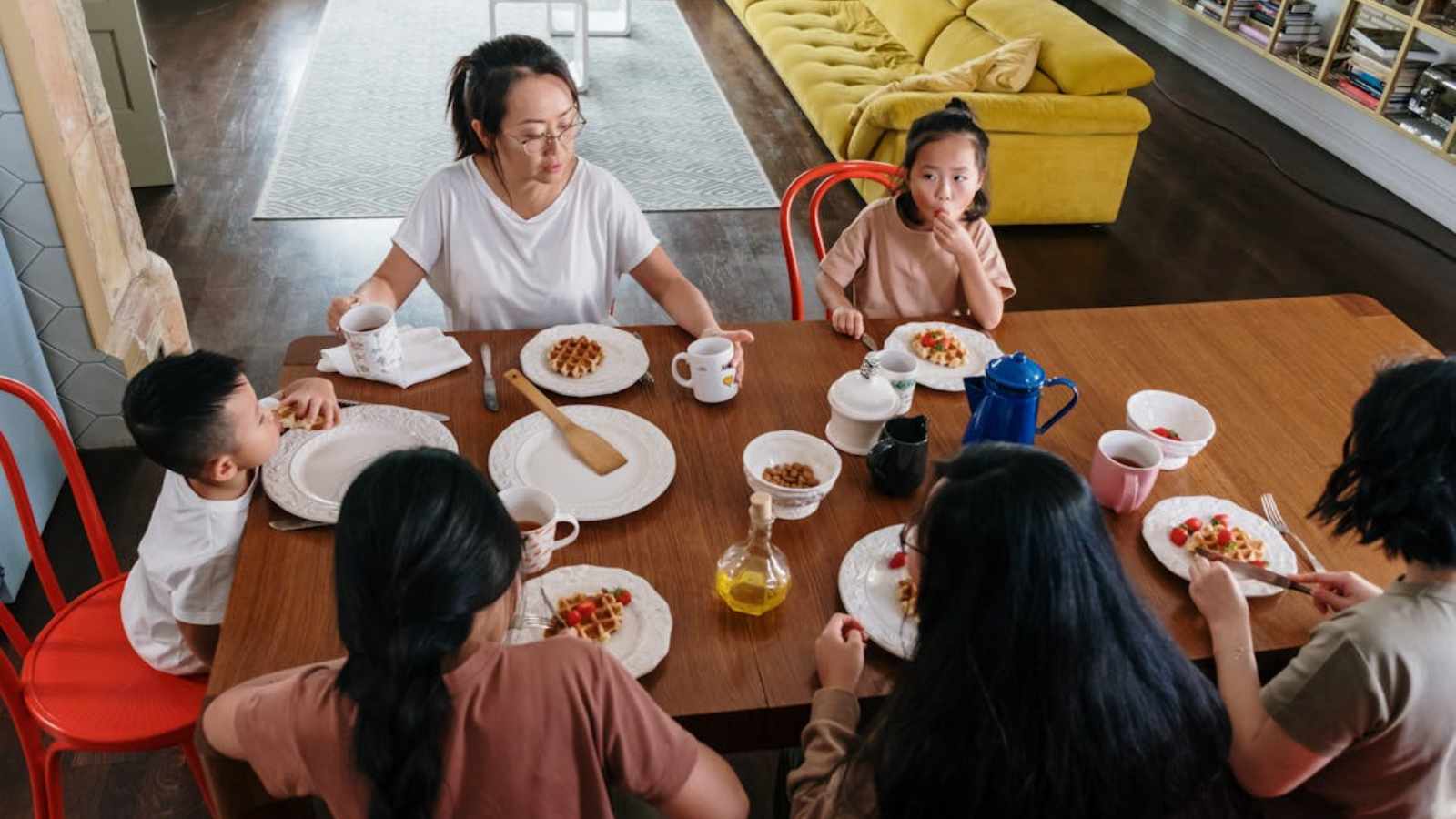
In the past, it was considered poor manners to begin eating until everyone at the table had been served. This rule was about patience and respect, ensuring that no one felt rushed or excluded from the meal.
However, with the diversity of dining experiences today, particularly at restaurants where dishes might be served at different times, this expectation has become outdated. Many modern hosts now encourage guests to start eating once their food arrives, recognizing that waiting for everyone to finish their meals can lead to cold dishes. This change reflects the more fluid, less rigid approach to dining in modern times.
The Tradition of Removing Your Hat Indoors
Historically, hats were not to be worn indoors. It was considered disrespectful, and removing one upon entering a dining room or restaurant was seen as basic decorum. This rule, deeply ingrained in society, emphasized manners and respect.
In modern dining, especially in casual settings like coffee shops or casual restaurants, hats are often worn without a second thought. It remains courteous to remove your hat in very formal settings or religious spaces, but the overall rule has softened. In the 21st century, hats are not just accessories; they are statements of personal style, a reflection of fashion trends, or even practicality. Now, the key lies in gauging the appropriateness of wearing a hat depending on the occasion, location, and crowd you’re with.
Punctuality

Arriving on time has long been considered a fundamental rule of good dining etiquette. Being prompt reflected respect for others’ time and effort in organizing a meal. If dinner was scheduled for 6 p.m., it meant arriving at exactly 6 p.m., no earlier, no later. Lateness was seen as inconsiderate, often viewed as a breach of decorum.
However, punctuality has become more flexible. Being late without notifying your hosts remains rude, but the rise of texting and real-time communication has made it easier to manage expectations. A simple text informing others that you’re running a few minutes behind can defuse any tension. As a result, the rigidity of punctuality has softened, yet the underlying principle remains; being considerate of others’ time is paramount.
Saying “Excuse Me” Before Leaving the Table
In traditional dining settings, especially for children, leaving the table required a formal request for permission: “May I be excused?” This was part of a broader set of rules that emphasized respect for the meal and the company you were with. The expectation was that meals were sacred communal events that required full participation from everyone present.
Today, the need to formally ask permission to leave the table has largely faded, especially in more informal dining situations. Modern dining is more relaxed, allowing people to rise when they need to. It’s still considered polite to avoid abrupt exits, but the formality of asking for permission is rarely observed.
The Phone Dilemma
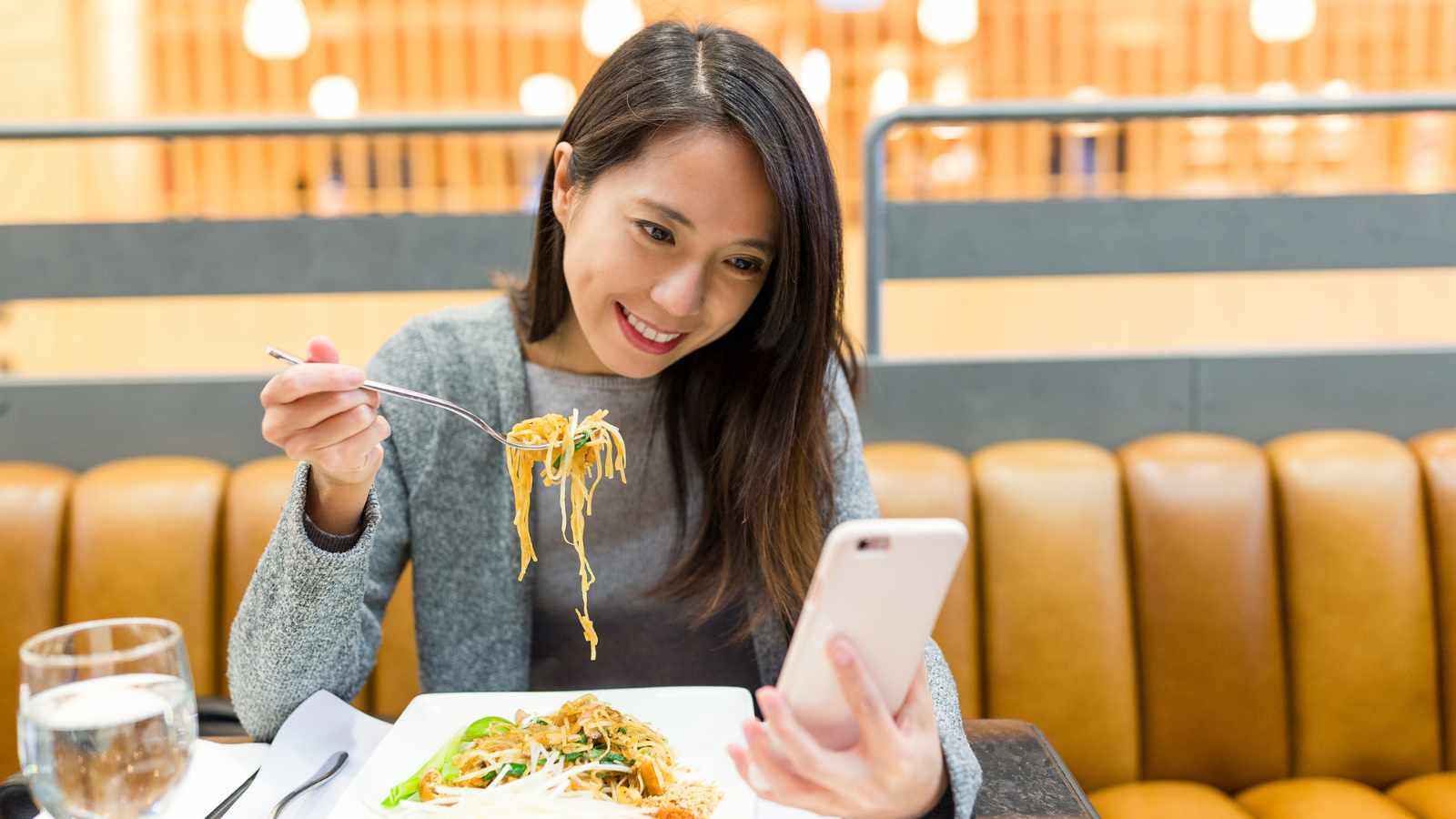
One of the more recent rules to emerge with the advent of mobile phones was the prohibition of phones at the table. The idea was that meals were moments to engage in conversation, and using a phone was a distraction, signaling disinterest in the people present.
Today, the role of phones at the dining table is more nuanced. While fully immersing oneself in a screen during a meal can still be seen as disrespectful, quick checks for messages or notifications have become widely accepted. The key is balance: using a phone briefly is generally acceptable, but spending the meal scrolling through social media or engaging in long phone conversations is considered rude.
Elbows on the Table
One of the most iconic and persistent dining rules, “no elbows on the table”, has long been ingrained in our collective memory. Resting your elbows on the table was once considered an indication of poor posture and a lack of refinement. It was seen as a sign of laziness or untidiness.
In today’s more casual dining culture, this rule is largely ignored. As long as you’re not crowding others or obstructing their space, resting your elbows on the table has become a non-issue. Etiquette experts may still mention the rule, but in practice, most people see it as irrelevant to modern dining culture.
Read the original article on Crafting Your Home