


What might seem like harmless, everyday actions to younger individuals can often feel dismissive or impolite to Boomers, who were raised with a different set of social expectations.
In this piece, we explore 7 common behaviors that younger generations often overlook but can be perceived as rude by Baby Boomers.
Ignoring Basic Courtesies

For Boomers, such behaviors represent a lack of consideration for others. They see these actions as fundamental to fostering a culture of respect. In their eyes, skipping these basic courtesies can make the younger generation seem indifferent or even rude.
Texting During Conversations

However, for Baby Boomers, this can feel like a slap in the face. To them, it suggests that the person they’re speaking to isn’t fully engaged or invested in the interaction.
While multitasking may seem efficient to younger individuals, Boomers often interpret it as disrespectful. They value face-to-face communication and believe that giving someone your full attention is an essential part of showing respect.
Minimal Gratitude or Text-Only Thanks

When a younger person thanks a Boomer via text, especially in situations where more effort is expected (like after a significant favor), it can feel like the gratitude was rushed or insufficient. What might seem like a thoughtful message to younger people can come across as impersonal and even dismissive to older generations.
Casual Language and Slang in Formal Communication
Baby Boomers grew up in a time when good grammar and proper punctuation were essential in both written and spoken communication. For them, sloppy texts filled with abbreviations or missing punctuation can seem lazy or disrespectful.
While younger generations may not give much thought to this, Boomers place a high premium on formality and clarity, expecting the same level of respect in writing as they would in person.
Lack of Knowledge of Shared Cultural References
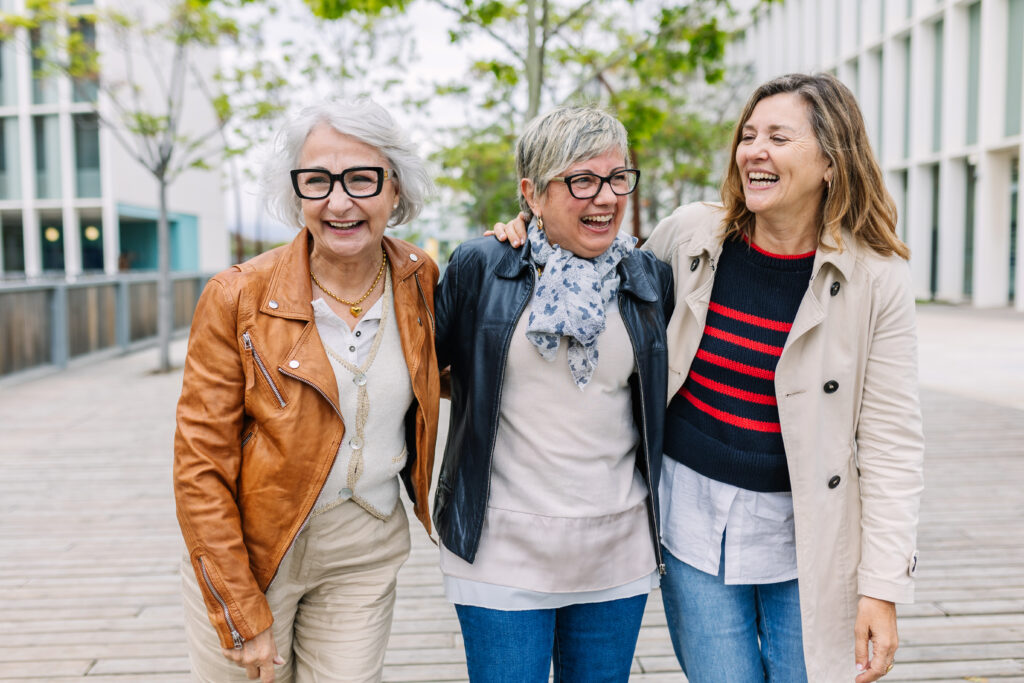
Boomers often bond over shared cultural experiences, whether it’s a classic TV show, music from their youth, or historical events they lived through. When younger people fail to recognize or acknowledge these cultural touchstones, it can feel like a rejection of the Boomer generation’s identity and history.
Boomers value these shared memories and consider them a key part of their connection to the world. When younger individuals don’t understand or appreciate these references, it can come across as disrespectful, as if their culture and experiences are being disregarded.
Silence in Group Settings
While younger generations may prefer to listen rather than speak in group settings, Boomers interpret silence differently. For older individuals, participating in group conversations is an important way to contribute, show interest, and build relationships.
When a younger person remains silent, especially during family dinners, work meetings, or social gatherings, Boomers may see it as a sign of disinterest or rudeness.
Boomers were taught to speak up, share their thoughts, and engage with others in group settings. For them, being quiet isn’t just passive; it’s often seen as disengagement.
Casual Attire at Formal Events
Boomers were taught to dress appropriately for the occasion, especially when it comes to formal events. Wearing casual clothing, like sneakers or jeans, to what Boomers consider a formal event, such as a wedding or business function, can feel disrespectful to them. They see dressing properly as a sign of respect for the occasion and the people involved.
For younger generations, casual attire is often the default, but Boomers view it as a lack of effort or consideration. What might seem like a comfortable choice to younger people can appear as lazy or indifferent to older individuals.
Conclusion
The behaviors above may seem normal or even harmless to younger generations, but for Baby Boomers, they represent a breakdown of the social norms and values that they were raised.
While generational differences are natural, understanding and respecting these differences can go a long way in bridging the gap between the two groups. Small gestures of consideration, thoughtful communication, and mutual respect can help foster stronger relationships between the generations and promote greater understanding.


