


The Post The Truth About Nostradamus and the Predictions He Never Made first appeared in Crafting Your Home
In 1997, a student wrote a made-up prophecy to show how vague words could seem to predict the future. After the September 11 attacks, part of his example was passed around as a prediction by Nostradamus, according to ABC News’s account of the hoax. ABC News
The writer was Neil Marshall, a student at Brock University in Canada. His example mentioned a great thunder and two brothers torn apart. Readers could connect those words to the Twin Towers once they knew what had happened. But Nostradamus hadn’t written them.
That mix-up raises a question worth asking each time an old prophecy makes the rounds: How much of its meaning was in the words before the event?
Related: 9 Everyday Habits Psychologists Associate With High Emotional Intelligence
The man behind the myth
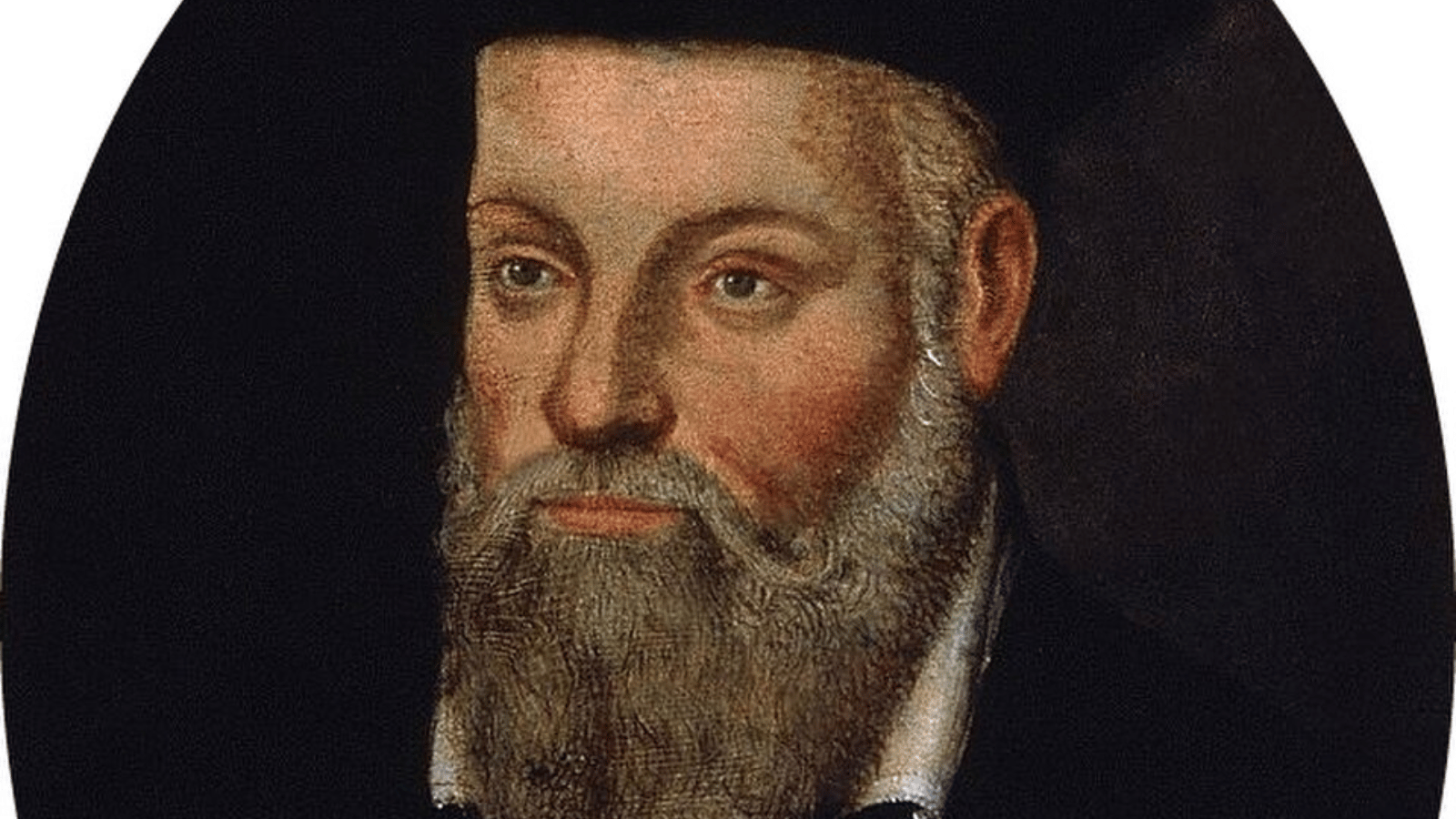
Born in France in 1503, Michel de Nostredame worked as a doctor and astrologer. He cast horoscopes for clients and put out yearly books of forecasts. His book Les Prophéties, or The Prophecies, first appeared in 1555. Utne
In his study, historian Stéphane Gerson looks at the man and the myth. There was the writer who lived and worked in 16th-century Europe. Then there was the figure built by readers over the years as they found fresh meaning in his words.
His short verses are called quatrains, which means poems with four lines. They deserve to be read in their own setting. A claim that he saw a future event needs proof of its own. Knowing that he wrote the verse is just the first step.
The same verse can tell different stories
The full set of prophecies has 942 verses. A historical review of Gerson’s book notes that few give dates. They aren’t laid out in time order, either. Readers have plenty of material to search for a passage that seems to fit an event.
A striking example is a verse about three brothers. Some French readers in the 16th century linked it to the sons of Henry II. Some readers in 1960s America tied it to the Kennedys. The same verse served different stories. h-france.net
That’s a problem if we’re trying to test a claim. A verse may fit two families born hundreds of years apart. A match alone can’t tell us which one the writer meant.
A headline that says Nostradamus predicted an event can hide the work a later reader did to reach that view. The real event adds names and places. It puts things in an order the verse may never have stated. Those added details can make a loose match seem much stronger.
Why knowing the ending changes things

In a 2012 research review on hindsight bias, psychologists Neal Roese and Kathleen Vohs describe a trap in how we judge the past. Once we know how an event ended, we can start to feel that it was easier to foresee than it really was. carlsonschool.umn.edu
That work gives us a way to check prophecy claims. Can we read the words without the answer in front of us?
Suppose a family hears a vague warning that water will bring trouble. Months later, a pipe bursts in the kitchen. The warning may now feel oddly precise, even though it gave no date, place, or clue about a pipe. A roof leak or a flood could have seemed to fit, too.
This is a hypothetical example, but it shows why the order matters. We know the result and then hunt for a verse. That task is much easier than using the verse to name the result in advance.
A fair test for the next prophecy
Start with the text. Can you find the words in his actual work, rather than a quote card or a screenshot? The Marshall hoax shows why that check comes first.
Then look for a clear reading written before the event. Did it name the event and give enough detail to rule out other outcomes? Would a miss count as a miss, or could the claim be changed to fit something else?
A fair test would also keep a full list of claims. It would count the misses as well as the hits. Choosing the best fit after years of events gives us no such record. An apparent match on its own doesn’t prove a gift for seeing the future.
For a new claim, save the exact words and the date you saw them. Write down what they seem to predict before the result is known. Set a clear time limit and leave that reading unchanged. A claim that needs new names or a fresh date once events unfold hasn’t passed that test.
You don’t need to mock anyone who enjoys the mystery. Gerson’s account shows that people have read these verses in times of fear, but also from curiosity. We can value that history and still ask for better proof of foresight.
The next time a prophecy sounds chilling, read the verse on its own. Put the later explanation aside. If the key facts vanish with that explanation, the verse hasn’t given you a forecast you can use.
Other Posts You Might Like
-
Emotional Intelligence Helps Couples Turn Small Conflicts Into Better Conversations
-
People Who Quickly Forget Newly Heard Names Often Possess These 8 Signs of High Intelligence
-
10 Fascinating Intelligence of Plants: Unveiling Nature’s Hidden Genius
If you like what you just read, then subscribe to our newsletter and follow us on social media.


