The 6 High School Classes Every Boomer Remembers That Are Gone Forever
Step into a time machine back to 1975, and you’ll smell sawdust, mimeograph ink, and the burning rubber of a driver’s ed simulator. The high school experience for the Baby Boomer generation wasn’t just about reading Shakespeare; it was about manual competence. Yet, in our rush toward the digital age, we dismantled the curriculum that taught us how to build, fix, and create.
Statistics show a massive decline in these hands-on courses; for instance, vocational credits earned by high school graduates dropped by 17% between 1982 and 1992 alone, according to a National Center for Education Statistics (NCES) report. Let’s take a nostalgic (and slightly sarcastic) look at the classes that defined a generation but have virtually vanished from the modern syllabus.
Shorthand: The original text messaging

Before we had voice memos, we had Gregg Shorthand. This class was a linguistic boot camp, primarily for women entering the secretarial track, where you learned to transcribe speech at 100+ words per minute using a series of loops and hooks. It wasn’t just scribbling; it was a “god-tier” skill that required immense cognitive processing to convert phonetics into symbols instantly.
Today, the Dictaphone and the laptop have killed this art form. By the 1990s, shorthand had evaporated mainly from public schools, replaced by general-purpose computer applications. Honestly, can you imagine a Gen Z student trying to decipher a Steno pad today? It would look like alien hieroglyphics.
Manual typewriting: The rhythm of the room
You never forget the sound of 30 carriage returns slapping in unison. In this class, you didn’t just learn to type; you built finger strength on heavy Royal or IBM Selectric machines. There was no backspace key to save you. If you messed up, you reached for the “Liquid Paper” (White-Out) and prayed it dried before the teacher walked by.
This class taught a “discipline of the draft” that modern word processors have destroyed. You had to think before you struck the key because the cost of an error was physical labor. Today, “Keyboarding” is often taught in elementary school, but the visceral, rhythmic clatter of the typing hall is gone forever.
Industrial arts (“shop”): When kids used bandsaws
Ever wondered why it’s so hard to find a plumber today? We stopped teaching kids how to use tools. In the Boomer era, Shop class was standard, teaching wood, metal, and auto repair skills that gave students “material agency” over their world. In Seattle and nationwide, for example, the number of shop programs has crashed from robust offerings in every high school to just a handful today.
Mike Rowe, host of Dirty Jobs, calls the removal of shop class a “harebrained decision” that sent a clear message that trade work wasn’t valued. We traded drill presses for standardized tests, and now we have a massive skills gap.
Home economics: Survival skills 101
While often stereotyped as “girls sewing aprons,” Home Ec was originally about “Domestic Science”, applying chemistry and economics to the home. You learned to balance a checkbook, sew a button, and cook a meal that didn’t come from a microwave.
Enrollment in these family and consumer sciences dropped by 38% between 2002 and 2012 alone. Now, we have a generation of “adults” who can solve calculus problems but can’t roast a chicken. The “Flour Sack Baby” project (though peaking a bit later) is the stuff of legends, but the core Boomer memory is the wobbly cakes and the gendered division of labor.
Driver’s education: The theater of blood
Nothing says “safety” like traumatizing teenagers with gore. Boomer Driver’s Ed is infamous for showing scary films like Red Asphalt or Signal 30, which featured gruesome footage of real fatal accidents. You watched these in a darkened room, terrified, before hopping into a “Drivotrainer” simulator that felt like a prehistoric arcade game.
Today, funding cuts and liability concerns have largely privatized this rite of passage. In Tennessee, for example, only 41% of Title I high schools offer driver’s ed, forcing parents to pay upwards of $400 for private lessons. The free, school-sponsored path to a license is hitting a dead end.
Cursive handwriting: The dying art of the loop
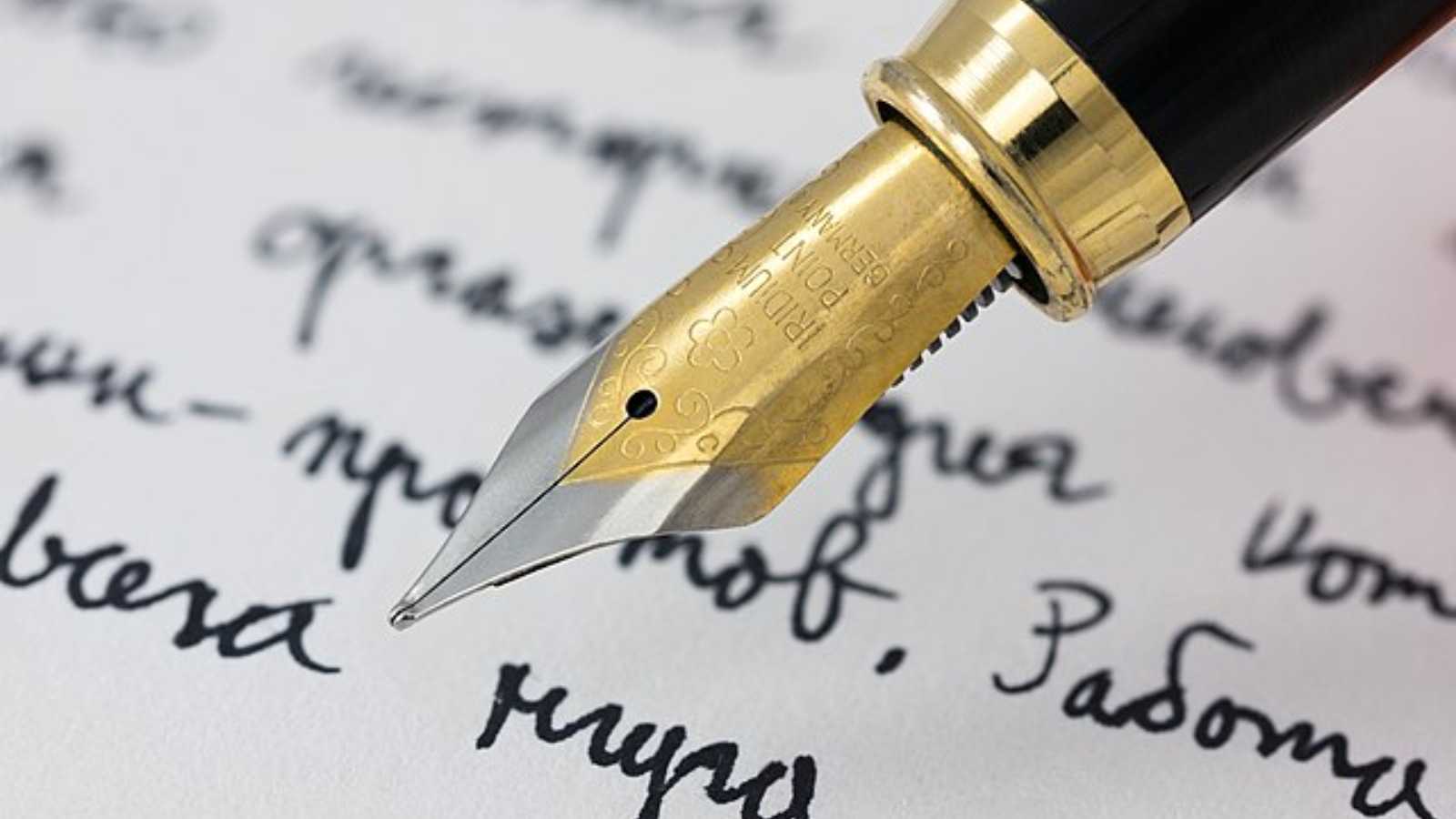
While you learned it in grade school, you perfected your signature in high school. Penmanship was a marker of class and education. If you handed in an essay printed in block letters, you were often graded down.
That changed in 2010 with the Common Core State Standards, which dropped the cursive requirement in favor of keyboarding. Although some states are legislating it back, the days of the Palmer Method drills are broadly history. FYI: Writing by hand activates different brain circuits than typing, so we might have lost more than just pretty letters.
Key Takeaway

We traded “hand skills” for “head skills,” replacing the typewriter and the lathe with the keyboard and the touchscreen. While we gained digital fluency, we lost the tactile competence that built the middle class. Next time you need a button sewn or a drain fixed, you’ll feel the ghost of these lost classes.
Read the Original Article on Crafting Your Home.