6 Psychological Reasons Why People Lie

Lying seems to be a universal behavior — everyone does it from time to time. However, what’s particularly intriguing is the way some individuals lie even when there’s no apparent reason to do so. These are not just your occasional fibers; they are individuals who fabricate stories, despite there being no need for deception.
Whether the lies are minor or absurd, they raise an important question: why do some people lie when the truth serve them just as well, if not better? By understanding the psychological mechanisms behind such behavior, we can gain insight into the complexities of human nature and perhaps offer pathways to encourage greater honesty in everyday life.
The Importance of Control
One of the main reasons people lie when they don’t need to be that they are subconsciously attempting to control the situation around them. Many individuals who are prone to lying feel an inherent need to exert influence over the circumstances they find themselves in, whether they consciously recognize it or not. In these cases, telling the truth may feel like relinquishing control, making them less likely to do so.
This isn’t always about manipulating others directly; it’s about maintaining a sense of order or direction in their lives. When faced with a situation that doesn’t align with their personal narrative, lying can feel like the only way to regain control over the narrative they wish to project.
The Fear of Disappointing Others

Another major driver behind unnecessary lying is the fear of disappointing others. Many individuals who struggle with compulsive lying have an intense desire to be liked or admired by those around them. They often worry that revealing the truth could cause others to look down on them, lose respect for them, or worse — reject them entirely. In these cases, lying becomes a shield.
Rather than face the possibility of rejection or embarrassment, they choose to present a version of reality that is more flattering or acceptable, even if the truth might not be detrimental in the first place.
The Snowball Effect of Lies

Lying, as harmless as it may seem initially, tends to snowball. This phenomenon occurs when a small fib necessitates telling bigger, more elaborate lies to cover the initial one. Over time, this can create an intricate web of deception that becomes increasingly difficult to navigate.
What might have started as a harmless white lie can spiral into a situation where the liar feels trapped, unable to admit the truth without facing severe consequences. This is especially common among compulsive liars, who feel like admitting to one lie would unravel their entire fabricated world.
The Power of the Mind

An interesting psychological aspect of lying is how some people don’t even see their lies as such. For many, their lies are an extension of their reality, not a distortion of it. This phenomenon is known as cognitive dissonance. Essentially, individuals may alter their memories or perceptions of events to fit their narrative, leading them to believe their lies are true.
This is why someone can lie about something as trivial as the color of the sky and genuinely believe it, despite being contradicted by others. Their sense of truth becomes so warped that they don’t recognize the difference between fact and fiction. It’s a fascinating insight into the way our minds work under stress or pressure.
Lying to Make It True
Sometimes, people lie because they want something to be true so badly that they convince themselves of it. This desire to turn a lie into reality stems from hope or desperation. A common psychological tendency is that humans, when faced with difficult circumstances, may manipulate facts to manifest their desired outcomes.
By repeatedly stating a falsehood with enough conviction, they may begin to truly believe it is valid. This isn’t necessarily a malicious act but a form of wishful thinking gone too far. In today’s world of “alternative facts,” it’s easy to see how this kind of behavior can be normalized or even encouraged in certain environments.
The Role of Personality Disorders
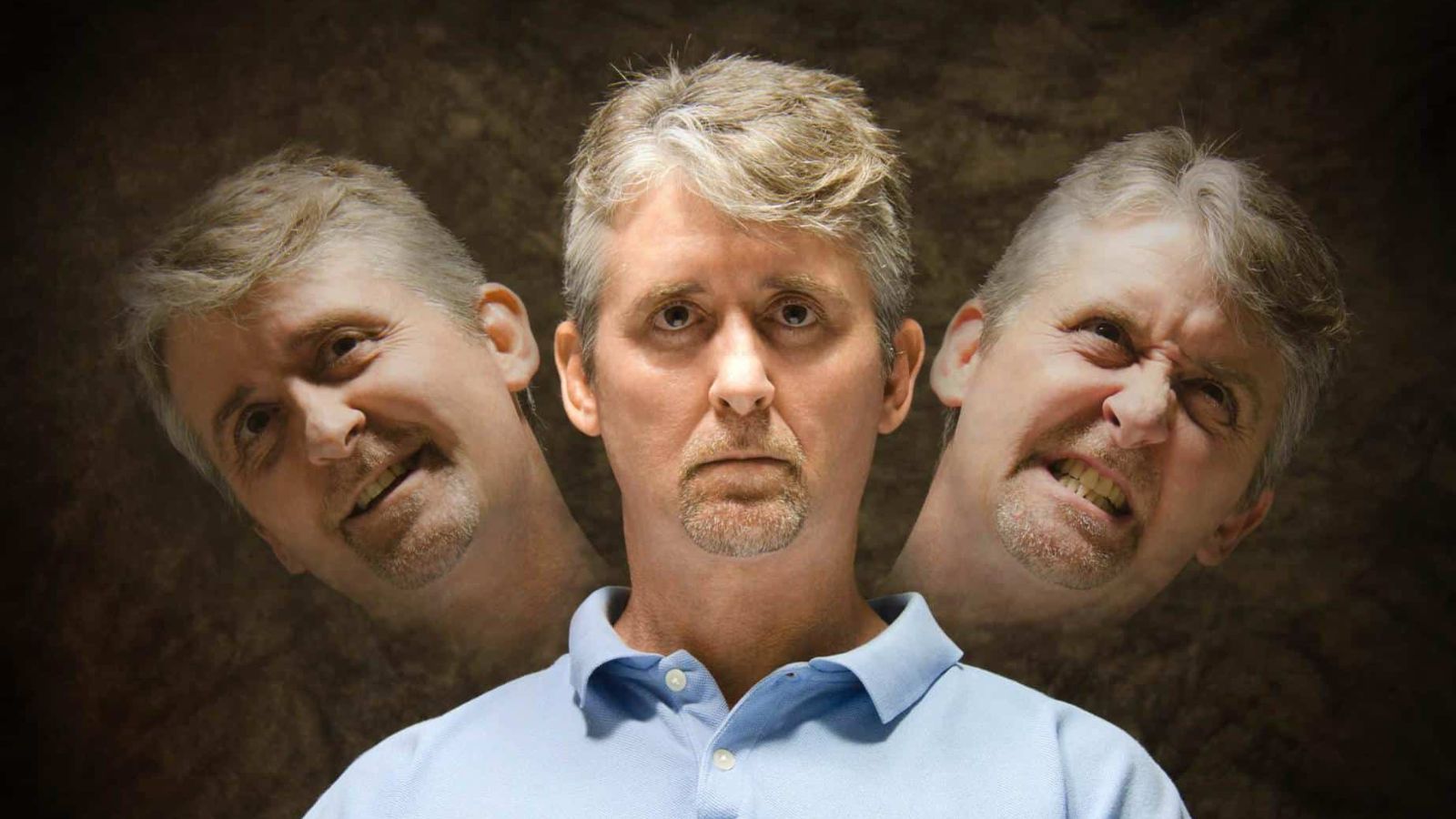
At times, pathological lying can be linked to underlying psychological conditions, such as certain personality disorders. People with narcissistic or borderline personality disorders, for example, may lie frequently as a means of protecting their fragile self-esteem or manipulating how others perceive them.
In these cases, the lying is less about avoiding negative consequences and more about maintaining a specific image or identity. While it is possible for individuals with these disorders to be treated with therapy or counseling, the behavior remains ingrained in their psyche and can be hard to overcome without professional intervention.
Conclusion
Lying without a clear reason may seem baffling to outsiders, but it is often rooted in deeper psychological needs and patterns of behavior. Whether driven by a need for control, a fear of rejection, or a distorted perception of reality, those who lie unnecessarily are often trapped in their own webs of deception.
Understanding the motivations behind such behavior can offer insights into the complexity of the human mind and the challenges individuals face in their quest for validation, control, and self-preservation. While lying may offer temporary relief, it ultimately prevents individuals from achieving meaningful connections built on trust and transparency.h
Encouraging honesty and empathy in our interactions, both personally and professionally, can help create environments where truth is valued over deception. By offering support and understanding, we can help those prone to lying overcome the urge to fabricate and embrace a more authentic way of living.
Read the original article on crafting your home