


The 1950s is often romanticized as a decade of vintage charm and elegance. But beneath the surface of perfect curls, pristine dresses, and immaculate tailoring lay a strict set of fashion rules that governed the lives of everyday people. While today’s society embraces personal style and diverse expression, the 1950s were an era where conformity was not only expected but enforced.
This was a time when breaking unwritten fashion codes could lead to social disgrace or even more severe consequences. Let’s take a step back into the restrictive world of 1950s fashion.
Visible Tattoos Were Taboo

Visible tattoos were virtually unheard of in the 1950s, and those who sported them were often harshly judged. Tattoos were associated with sailors, bikers, and other societal outcasts, groups that polite society sought to distance themselves from.
Women, in particular, were expected to hide any tattoos under clothing, as visible ink could lead to instant social stigmatization. In a society obsessed with appearances and propriety, body art was viewed as a sign of rebellion, immorality, and a disregard for social norms.
Denim Was Reserved for Workmen
In the 1950s, denim was synonymous with rebellion, manual labor, and lower social status. For teenagers, wearing blue jeans meant facing disciplinary actions, especially in schools. This was a time when denim was seen as a symbol of counterculture, an emblem of youth’s defiance against societal norms.
Even at the office, denim was forbidden, unless, of course, it was a weekend where the social code allowed for more casual wear, but even then, slacks or skirts were preferred over jeans. The fear of blue jeans spreading the so-called “delinquency” was so real that some restaurants and movie theaters even posted signs barring patrons from wearing them.
Public Hair Rollers Were Off-Limits
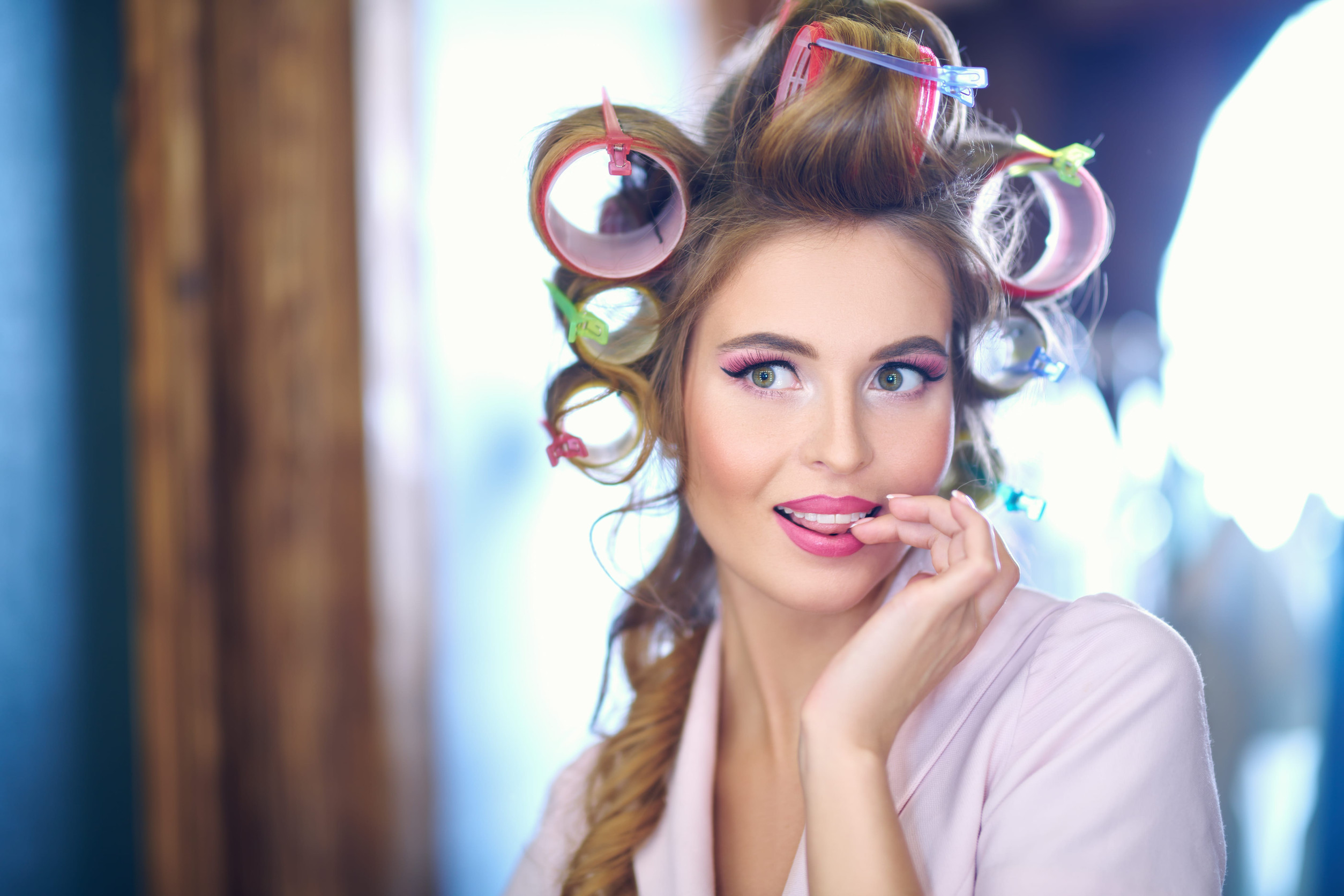
In today’s world, it’s common to see people in public with their hair in rollers, especially when running errands. But in the 1950s, this was a fashion faux pas of the highest order. Hair rollers in public were considered the ultimate sign of disrespect and laziness. Women who dared to walk out with curlers were stigmatized as being unkempt or improperly raised.
Even something as simple as checking the mailbox could prompt a well-meaning lady to throw on a scarf to hide her hair preparation tools. The pressure for women to maintain a flawlessly groomed appearance was intense, and failing to do so in private was simply unacceptable.
Sleeveless Tops Were Out of the Question
Bare arms in the 1950s? Not unless you were at a formal gathering or the beach. Sleeveless tops were taboo in many social settings, especially at schools, churches, and offices. The “three-finger rule” dictated that any strap thinner than the width of three fingers was too revealing. Women were often seen carrying cardigans or shawls to cover their arms, even in the hottest summer weather.
This modesty obsession extended to churches, where shoulders had to be covered, leading to the rise of shrugs, boleros, and other fashion accessories designed to maintain a “proper” appearance.
Women Wearing Pants? Unthinkable
Pants were a symbol of masculinity in the 1950s, and women wearing trousers were deemed scandalous. Schools sent girls home if they arrived in slacks, and office dress codes explicitly forbade female employees from wearing them, regardless of the weather or practical necessity.
Restaurants, too, refused service to women in pants, and physical education classes required girls to wear skirts or bloomers. The idea of women donning trousers was seen as a sign of rebellion, and such fashion choices often invited harsh judgment.
Bold Red Lipstick Was Reserved for Special Occasions

Red lipstick in the 1950s wasn’t just a beauty choice; it was a statement. For most women, wearing bright red lips was reserved for Hollywood actresses or women with questionable reputations. High schools, in particular, monitored girls’ makeup, with some yearbook photographers even wiping away any visible makeup before taking senior portraits.
Subtle shades of pink and coral were deemed acceptable for daytime wear, while vibrant reds were associated with immorality and excess. The concept of makeup as a reflection of virtue shaped every cosmetic decision of the time.
Skirts Had to Be Below the Knee
If a girl’s skirt didn’t fall below the knee, she risked facing punishment or public shaming. The “ruler test” was an actual practice in some schools, where teachers measured the hemline to ensure it met the modesty standards of the time.
The classic 1950s style emphasized mid-calf skirts, thanks to the popularity of Christian Dior’s “New Look.” Hemlines that flirted with the knee were seen as inappropriate, particularly when seated, and many young girls lived in fear of being caught violating this rule.
Young Girls Were Not Allowed to Wear Makeup

Makeup on young girls was a strict no-no in the 1950s. Girls under 16 were generally forbidden to wear makeup, as it was considered a sign of precocious behavior. Many schools had strict policies against cosmetics, and girls who were caught wearing mascara or foundation often faced punishment.
In some households, mothers didn’t teach their daughters how to apply makeup until after they graduated from high school. Natural beauty was the ideal, and makeup was only for special occasions, never for everyday use.
Key Takeaways

The 1950s may have been a time of conservatism and conformity, but it also marked the beginning of changes that would eventually give rise to more relaxed and expressive fashion choices.
While we may not have to follow these strict dress codes today, understanding past fashion restrictions deepens our appreciation for the freedom we enjoy.


