

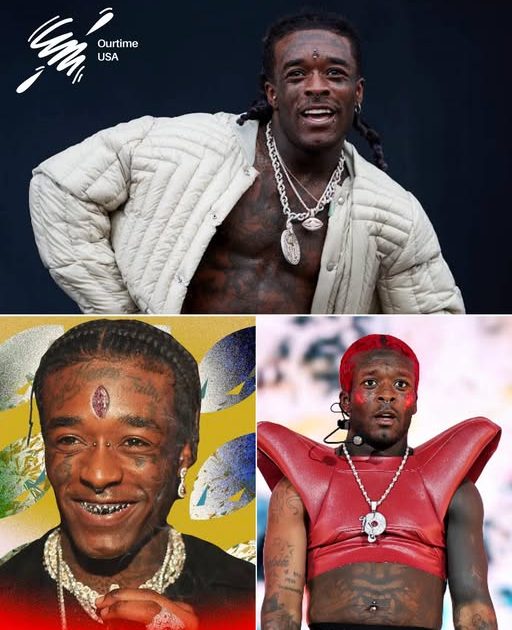
A private recovery setting is now at the center of public attention after Lil Uzi Vert raised serious concerns about alleged privacy violations during their time in a rehabilitation environment. The situation has sparked conversations about trust, safety, and confidentiality in spaces meant for healing. According to the claims, an employee at the rehab facility allegedly recorded and shared personal information without permission.
The allegations have not been fully tested in court, but they have already drawn widespread attention due to the nature of the claims. The artist’s account highlights concerns about what can happen when private medical or recovery spaces are compromised. It also raises questions about how secure sensitive environments truly are for individuals seeking treatment.
For many readers across the United States, the story connects to broader concerns about privacy in healthcare and recovery facilities. It also raises awareness of how vulnerable individuals can be in treatment settings.
Allegations of unauthorized recording and information sharing
Lil Uzi Vert has accused a rehab employee of secretly recording private moments and sharing personal information without consent. The allegations suggest a serious breach of trust within a setting that is supposed to prioritize confidentiality and care. Details about when the alleged incident took place have not been clearly confirmed in publicly available information. Because of this, the exact timeline remains unclear and may require further clarification as the situation develops.
The claims center on the idea that private interactions within the facility were not protected as expected. This has raised concerns among fans and observers about how personal information is handled in recovery environments.
Rehabilitation facilities are generally expected to follow strict confidentiality standards. These rules are designed to protect patients from exposure to sensitive personal or medical information.
If the allegations are proven accurate, the situation could raise questions about internal oversight and employee conduct within such facilities. It may also lead to broader discussions about monitoring and accountability in care environments.
Privacy expectations inside rehabilitation environments

Rehabilitation centers are meant to provide safe and confidential spaces where individuals can focus on recovery. Privacy is considered a core part of treatment because it allows patients to speak openly without fear of exposure.
The allegations in this case challenge that expectation and highlight potential weaknesses in the enforcement of privacy.
Concerns include whether employees are properly trained and whether safeguards are strong enough to prevent misuse of personal information. For public figures like Lil Uzi Vert, the risks of privacy breaches can be even more significant. Sensitive information becoming public can affect not only personal well-being but also public perception and mental health.
In the United States, privacy protections in medical-related environments are generally guided by federal standards. However, enforcement and internal policies can vary depending on the facility and its management. This situation has brought renewed attention to how institutions protect individuals who are in vulnerable stages of recovery. It also highlights the importance of trust between patients and caregivers.
Why this situation matters to patients and families
Although this case involves a high-profile music artist, the broader concerns extend to everyday patients and families across the country. Many people rely on rehabilitation services for mental health, substance recovery, or medical support. When privacy is questioned in these environments, it can discourage others from seeking help. Trust plays a major role in whether individuals feel safe enough to enter treatment and remain in care.
Families also rely on the expectation that their loved ones will be treated with respect and confidentiality. Any suggestion of unauthorized recording or information sharing can create anxiety and hesitation about care facilities.
For patients, recovery is often a deeply personal process. The idea that private moments could be exposed externally can have lasting emotional effects, even if the allegations are not proven.
This is why the situation has generated wider public discussion beyond entertainment news. It touches on trust in healthcare, personal dignity, and the responsibility of care-providing institutions.
Public reaction and growing attention around privacy concerns
Public reaction to the allegations has been strong, with many people expressing concern about how private information is handled in sensitive environments. The involvement of a well-known artist has amplified attention across social media and entertainment platforms. While some observers are calling for clearer accountability standards, others are waiting for more verified details before reaching a conclusion.
At this stage, the situation remains based on allegations rather than confirmed legal findings. The case also reflects a growing awareness about digital privacy and recording devices in private spaces. As technology becomes more accessible, concerns about unauthorized recording have increased in many industries.
Rehabilitation and medical facilities are now part of that broader conversation. Questions are being raised about how staff are monitored and how patient information is protected from misuse. It is not yet clear whether any formal legal action has been filed in connection with the allegations. If developments occur, they may provide more clarity on the situation and its outcome.
What happens next and broader implications
At this stage, the situation remains the subject of public discussion due to the allegations raised by Lil Uzi Vert. There is no publicly available confirmed legal resolution, and further information may emerge as the matter develops.
If investigations are conducted, they may focus on facility policies, employee conduct, and whether privacy rules were violated. Such reviews are common when sensitive environments face allegations of misconduct.
For rehabilitation centers more broadly, the case highlights the importance of maintaining strict privacy protections. Facilities often rely on trust as a foundation of care, and any breach can have lasting consequences for reputation and patient confidence. The situation also raises awareness among patients and families about asking questions before entering treatment programs.
Understanding privacy policies and reporting procedures can help individuals make informed care decisions.
As more details become available, the public will likely gain a clearer understanding of what occurred. Until then, the allegations continue to raise important conversations about privacy, accountability, and patient protection.
Final thoughts on privacy and trust in care settings
This situation involving Lil Uzi Vert has sparked wider reflection on how privacy is protected in rehabilitation environments. It highlights how quickly trust can become a central issue when allegations of unauthorized recording arise. For patients, families, and the general public, the story underscores the importance of strong safeguards in any setting where personal information is shared. Recovery spaces depend heavily on confidentiality to function effectively.
While the details remain under discussion, the broader message is clear. Privacy is not only a policy requirement but a foundation of trust between individuals and the systems meant to support them. As this situation continues to develop, it serves as a reminder that protecting vulnerable individuals requires constant attention, clear rules, and accountability at every level.