


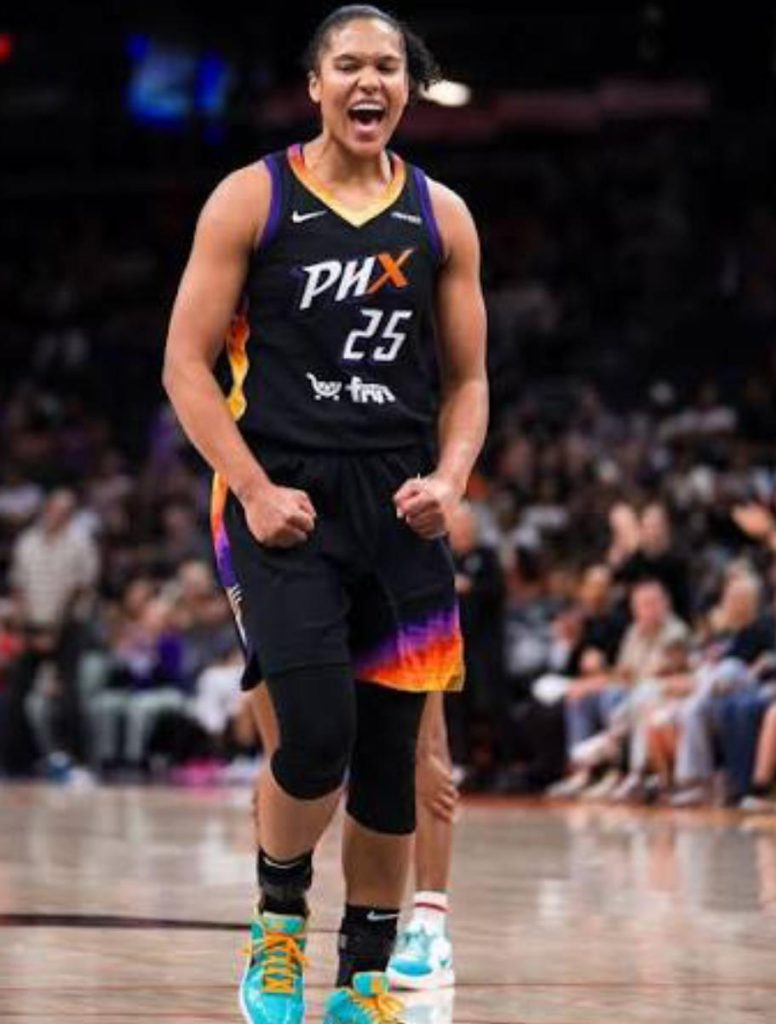
Connecticut Sun forward Alyssa Thomas has stepped forward with serious concerns after revealing she received death threats following a recent WNBA game incident involving Indiana Fever guard Caitlin Clark. The situation has sparked renewed attention to player safety, online behavior, and the rising pressure on women’s professional basketball. Thomas urged stronger action from league leadership as conversations grow about how far fan reactions should go after heated games.
On-Court Moment Sparks Strong Reactions
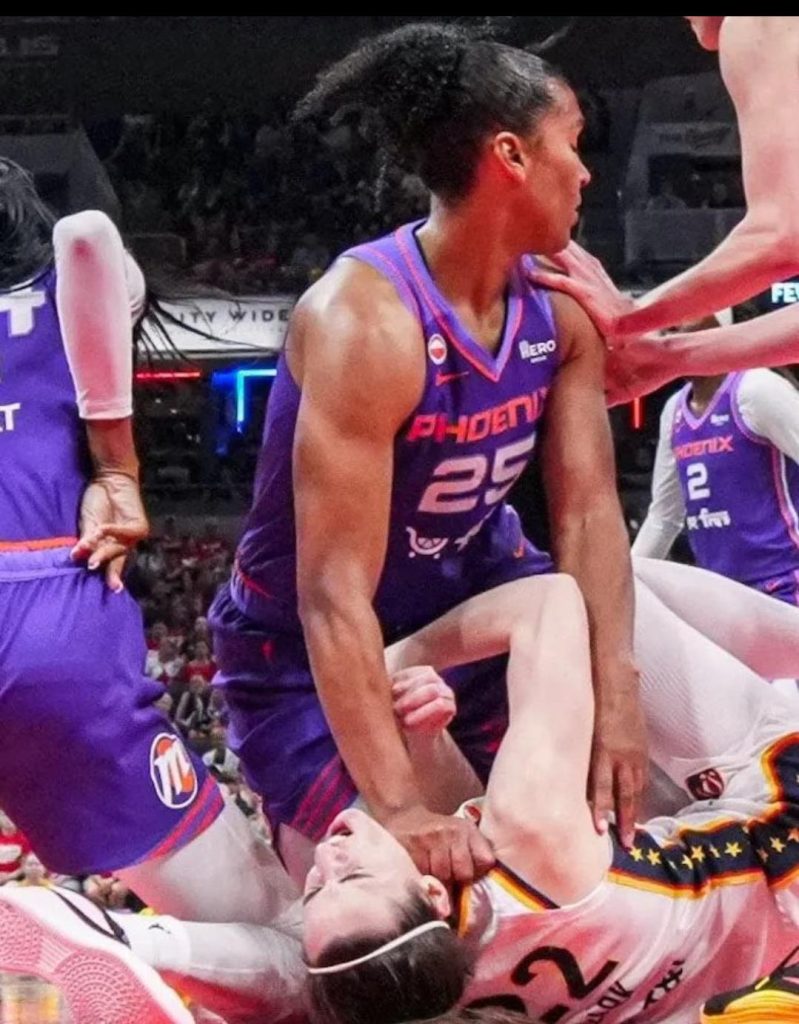
The issue arose during a recent matchup between the Connecticut Sun and the Indiana Fever, when a physical play involving Alyssa Thomas and Caitlin Clark drew heavy attention from fans and the media.
The moment quickly spread across social platforms. The reactions were fast, loud, and divided. Some focused on the intensity of the play, while others debated officiating and sportsmanship. Within hours, the incident became a major talking point in the WNBA community. What followed, however, went beyond the basketball discussion.
Threats Reported After the Game
After the game, Alyssa Thomas said she began receiving disturbing messages online. She stated that some of the messages included death threats directed at her following the incident. Thomas described the situation as unacceptable and deeply troubling. While criticism of performance is common in sports, she made it clear that threats cross a serious line.
The messages, according to her comments, created a wave of concern not just for herself but for how quickly online reactions can turn harmful for professional athletes.
A Clear Message on Player Safety
In speaking about the situation, Thomas stressed that athletes are expected to handle pressure, competition, and public attention. However, she emphasized that no player should be forced to accept threats as part of the job.
She explained that emotional reactions to games are normal, but violent messages and personal targeting are not.
Accept threats as part of the job. She explained that emotional reactions to games are normal, but violent messages and personal targeting are not.
Her words reflect a growing concern among players who face intense public exposure, especially in a league that has seen rapid growth in visibility and fan engagement.
Thomas also pointed out that the issue is not limited to one event. Instead, she described it as part of a wider pattern affecting athletes across the sport.
Call for Stronger League Action
Beyond speaking about her personal experience, Thomas also directed attention to the Women’s National Basketball Association.
She called on league leadership to respond more strongly when players are targeted online. In her view, more consistent action is needed when harassment escalates into threats.
The WNBA has previously stated that it values respect and safety for its athletes. However, Thomas suggested that stronger systems may be needed to respond quickly when situations become serious.
Her comments highlight an ongoing challenge for sports organizations: balancing fan engagement with player protection in a fast-moving, reactive digital world.
Caitlin Clark’s Role in the Incident
Caitlin Clark was part of the on court play that led to the wider discussion, as the moment between her and Thomas drew heavy attention from viewers and analysts.
Clark has not been linked to any of the online threats directed at Thomas, and there is no indication she was involved in or connected to the harassment.
The focus remains on the game incident itself and how quickly public reaction grew after it. The situation shows how one play can turn into a national conversation within minutes, especially when high-profile players are involved.
Rising Pressure in the WNBA Spotlight
The WNBA has seen major growth in recent seasons, with more viewers, stronger media coverage, and increased social media engagement.
While this growth has brought positive attention to the league, it has also created a more intense online environment for players.
Athletes are now under a brighter spotlight than ever before. Every foul, collision, or heated moment can quickly become viral content, often followed by strong and sometimes extreme reactions.
Thomas’s experience adds to a growing list of players speaking out about how this level of exposure can lead to harmful behavior online.
Online Harassment Becoming a Larger Concern
Across professional sports, athletes have increasingly raised concerns about online harassment. What once stayed as game-time debate now often turns into personal attacks on social media.
Thomas’s situation reflects this shift. She made it clear that disagreement over basketball is expected, but threats to safety are not part of the game.
Her message highlights a growing demand for clearer boundaries between competition and personal attacks.
Players, coaches, and league officials continue to face the challenge of managing a digital space that can quickly turn negative.
League Response Still Developing
As of now, the WNBA has not released a detailed public statement addressing Thomas’s specific claims. However, the league has consistently emphasized respect, safety, and professionalism in its public messaging.
The situation remains under discussion within broader conversations about player welfare and online conduct.
No formal disciplinary or investigative updates have been announced regarding the incident or the reported threats.
Alyssa Thomas’s statement about receiving death threats following a WNBA game involving Caitlin Clark has brought renewed attention to the issue of player safety off the court. While the league continues to promote respect and professionalism, Thomas’s experience highlights growing concerns about online behavior directed at athletes.
The WNBA has not issued a detailed response to the situation, and discussions around player protection and fan conduct are ongoing. For now, the focus remains on ensuring athletes can compete without facing harmful threats beyond the game.


